
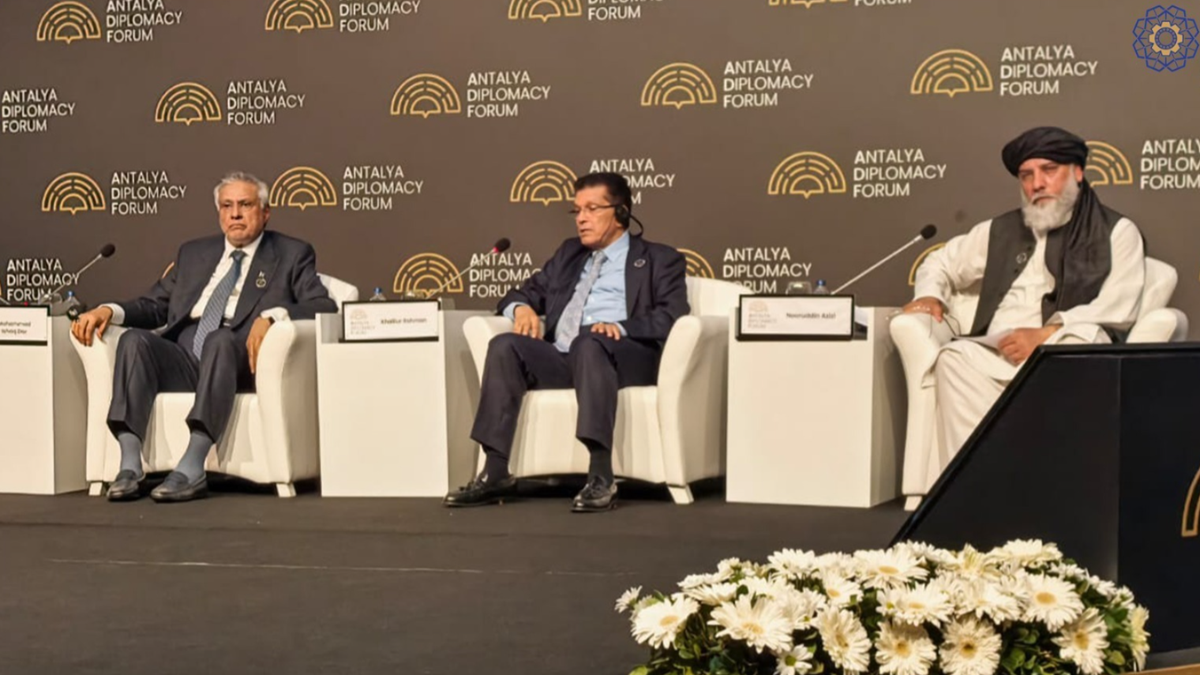
Afghan Minister Says Fuel Market Stable Despite Global Price Surge
Nooruddin Azizi, Afghanistan's Minister of Commerce and Industry, assured that the country's oil and gas market has stayed stable even as global prices have surged sharply. Azizi said domestic prices for fuel have increased by only three to five percent, a situation made possible by the proactive steps taken by the Islamic Emirate of Afghanistan to ensure energy supplies amid recent regional developments.
Azizi was addressing participants at the fifth Antalya Diplomacy Forum in Turkey during a panel discussion titled “Trust in Trade: The Future of Economic Integration and Stability in South Asia.” The minister emphasized the importance of peace, stability, and stronger human relations between countries.
Reflecting on the past, Azizi pointed out that Afghans have faced various challenges over approximately five decades, during which time the country's assets have remained frozen. He conveyed that the message of the Islamic Emirate of Afghanistan is one of peace and peaceful coexistence. This position is rooted in religious values and the will of the Afghan people, Azizi said.
Know more about this story?
If you have additional information or believe something is inaccurate, let us know. Your tips help us stay accurate.
Where reports agree
- Nooruddin Azizi participated in the Antalya Diplomacy Forum in Turkey and spoke in the Trust in Trade panel
- Azizi emphasized the importance of peace, stability, and strengthening human relations between countries
- Afghanistan has faced challenges for about five decades and its assets are currently frozen
- The Islamic Emirate of Afghanistan promotes a message of peace and peaceful coexistence based on religious values and the will of the Afghan people
Where reports differ
- Pajhwok reports detailed claims about fuel market stability, only 3-5% domestic price rise, and advance IEA preparations; RTA does not mention fuel prices, market stability, or energy supply preparations at all
- RTA headline states Azizi emphasized release of frozen assets, but the article body only notes that assets are frozen without quoting any call for their release (Pajhwok similarly only notes they remained frozen)
More in Economy
Gold, Sugar Prices Rise as Rice Falls in Kabul Market
Warehouse Built in Uruzgan at Cost of Nearly 8 Million Afghanis
Public Works Minister Inspects Asphalt Works of Second Lane of Kabul-Ghazni Highway
Bamyan Municipality Collects Over 111 Million Afghanis in Revenue
 Reliable
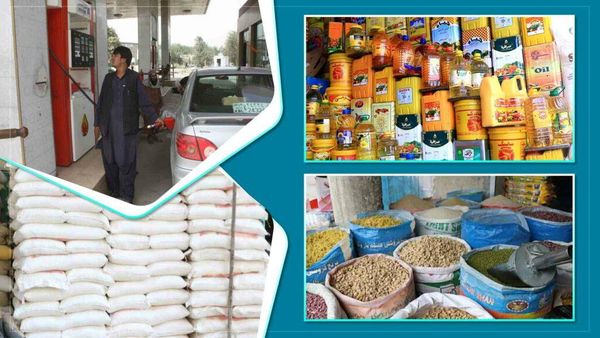
Gold, Sugar Prices Rise as Rice Falls in Kabul Market
Gold and sugar prices rose in Kabul's markets last week while rice prices fell. Other food items, fuel and currency rates remained largely stable with only minor differences between wholesale and retail prices.
 Reliable
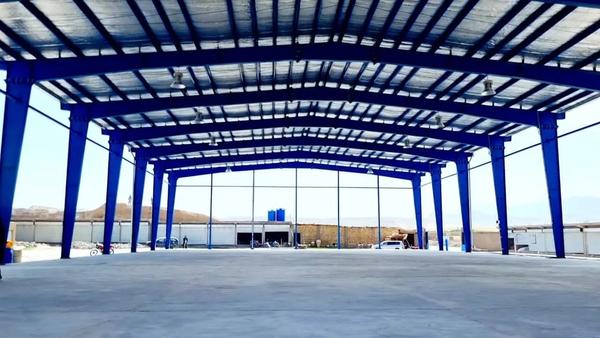
Warehouse Built in Uruzgan at Cost of Nearly 8 Million Afghanis
A warehouse with a 2000-ton capacity for dry fruits has been built in Trinkot, Uruzgan at a cost of 7.7 million Afghanis funded by the UNDP. The local mayor stated that it will help preserve products and boost the economy while traders expressed satisfaction and called for more projects.
 Reliable
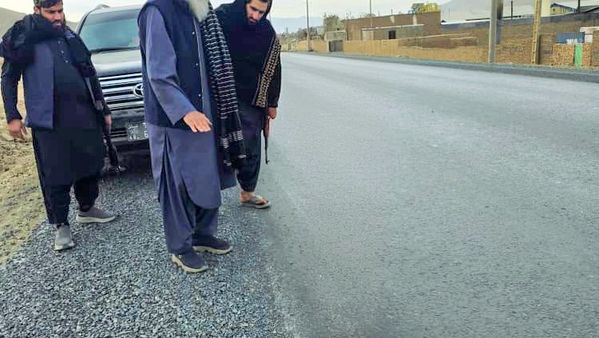
Public Works Minister Inspects Asphalt Works of Second Lane of Kabul-Ghazni Highway
Mullah Mohammad Isa Thani, Minister of Public Works of the Islamic Emirate, inspected asphalt works on three sections of the second lane of the 111-kilometer Kabul-Ghazni highway and instructed contractors to accelerate progress, maintain quality and complete the project on time with timely budget provision. The strategic highway is expected to ease travel for people and benefit farmers and traders in transporting goods.
 Reliable
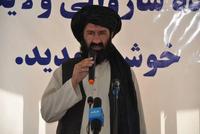
Bamyan Municipality Collects Over 111 Million Afghanis in Revenue
Bamyan Mayor Maulvi Rozi Mohammad Afkar announced the municipality collected 111,232,215 Afghanis in revenue during solar year 1404, spending 102,086,549 Afghanis on development and ordinary budgets while completing dozens of infrastructure projects including mosques, bridges, roads, hotels, shops, a shelter and water networks. A meeting was held to obtain residents' opinions, share reconstruction programs, solve urban problems and boost public participation in municipal affairs.