
SOCIETY — June 17, 2026
Afghan Midwife Delivers House-to-House Reproductive Health Services in Remote Herat Areas
Affiliated with MSI Afghanistan, the midwife travels to isolated communities where mobility rules limit women's options for care and highlights cultural obstacles to discussing family planning. She completed training through an internship after facing economic hardship and points to the need for more female health workers amid projected shortages.
The Ehtebar Desk — originates with Afghanistan International — 2 min read
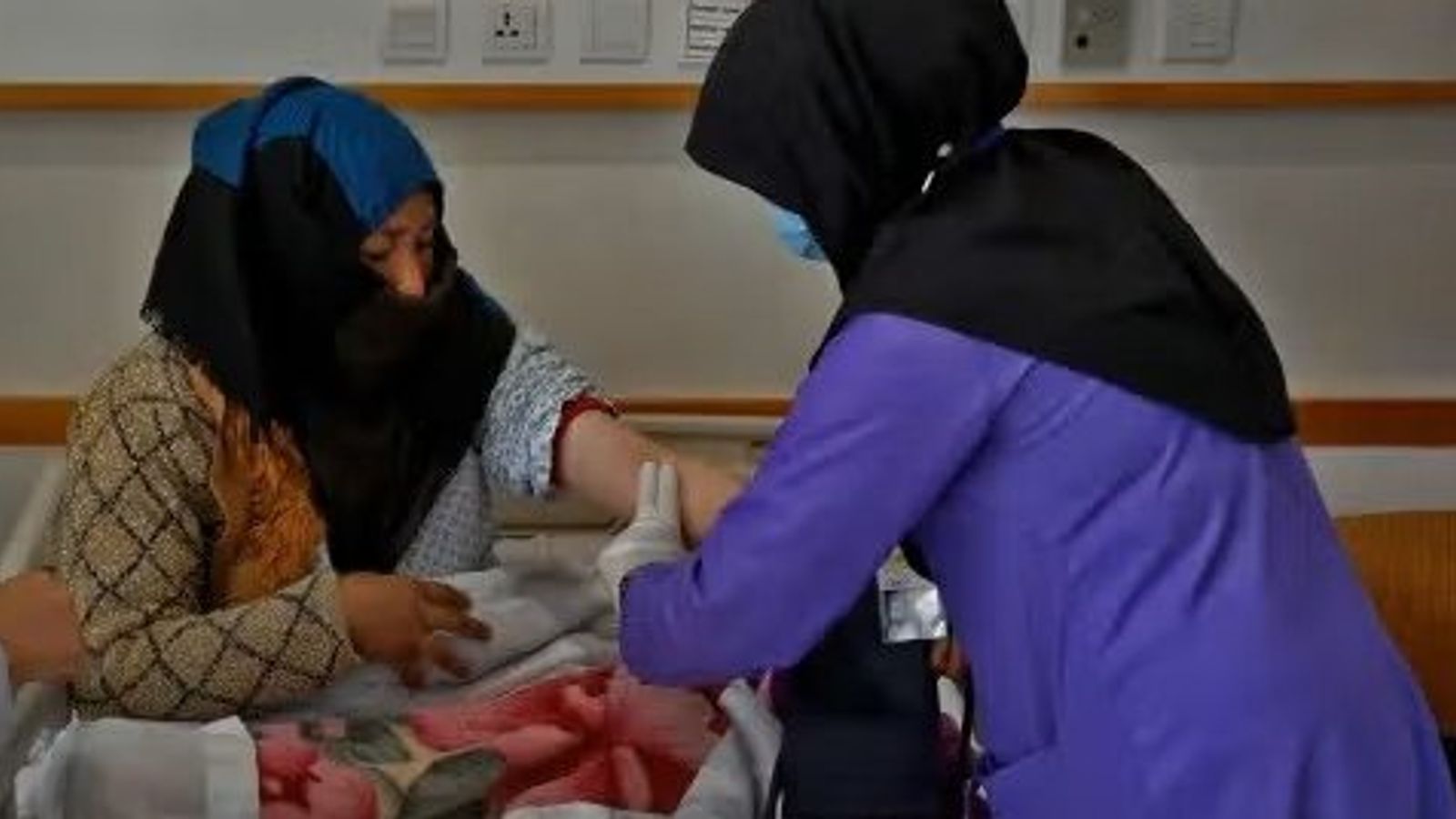
An Afghan midwife is providing reproductive health and family planning services to women in isolated parts of Herat province through mobile teams that visit homes directly.
Working with MSI Afghanistan, the unnamed health worker offers basic medical care to communities where Taliban restrictions on women's mobility and access to male doctors have created major barriers to treatment.
The midwife described overcoming economic hardship and limited training opportunities by completing an internship program with the organization. She noted that cultural and traditional pressures often make open discussions about contraceptive methods difficult for women.
She recounted assisting a mother of six who chose an intrauterine device and subsequently expressed greater hope for managing her family circumstances. The midwife emphasized the broader need to train additional female health workers to sustain such services.
UNICEF has warned that continued restrictions could produce a shortage of 25,000 female teachers and health workers across Afghanistan by 2030.
Read the original reporting at Afghanistan International →
Reliability assessment
Single source provides detailed, on-the-record account attributed directly to the midwife's written note, including specific organizational affiliation (MSI Afghanistan), location (Herat), and reference to an externally verifiable UNICEF statement.
The source language mixes facts with framing or advocacy wording. Afghanistan International: "restrictions imposed on women", "severe economic problems", "suffering of many women" — these phrases frame the Taliban's policies with emotional and negative judgment, mixing personal narrative with advocacy for women's health access.
Across the newsrooms
Filed by
Afghanistan International
Originating
Framed
Framed
Filed under
Society — Women's health, Midwifery, Taliban restrictions, Herat, MSI Afghanistan
Spotted an error or have more on this story? Tip the desk on Telegram → or WhatsApp →.
Reader supported
Keep Ehtebar running
Every published story uses paid tools to translate reporting, compare sources, extract claims, and produce a clearer read on Afghanistan. Reader support helps keep that work independent.
€5
helps cover daily verification runs
€15
supports a week of source comparison
€50
keeps independent analysis moving
More in Society

Meteorological Department Forecasts Thunderstorms and Potential Floods in Eighteen Provinces
— Reliable
WHO Reports Two New Polio Cases in Afghanistan
— Reliable
Over 6 Million Afghans Return from Iran and Pakistan in Nearly Three Years
— Reliable
Taliban Detain Two Girls in Herat for Dress Code Violations
— Reliable