
Afghan Electricity Chief Meets Turkish Firm Head to Review Power Projects
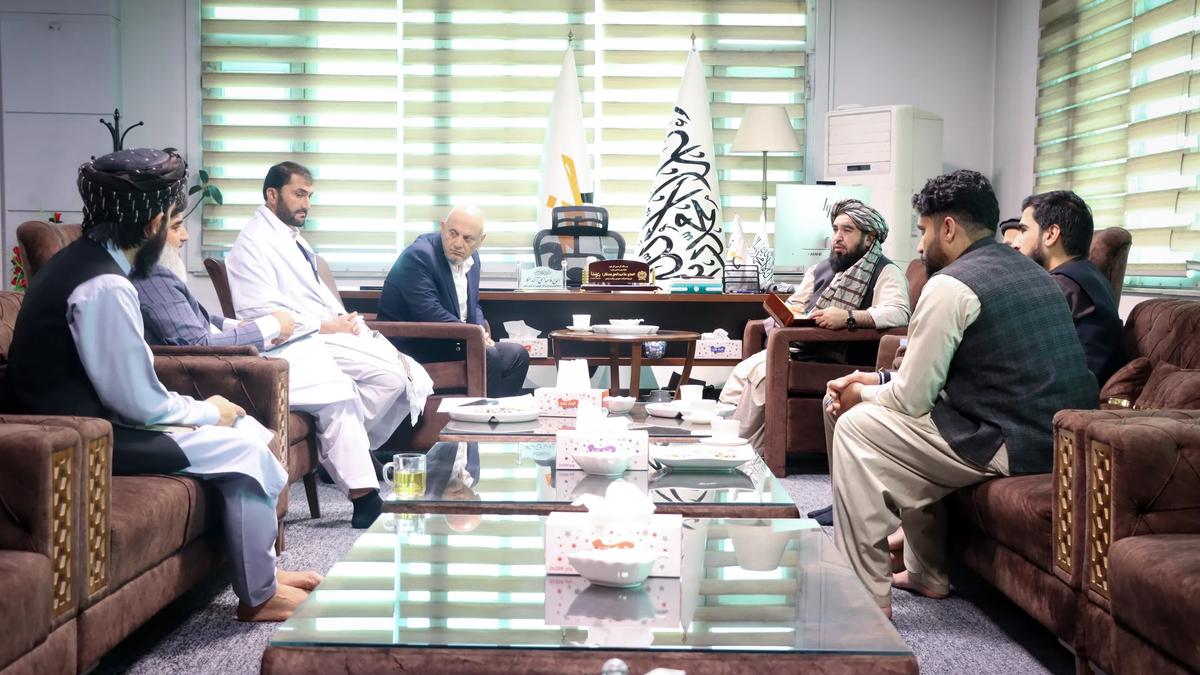
Mullah Abdul Haq Hamkar, Director General of the Afghanistan Electricity Company, held a working meeting with Suleyman Julyo, head of the Turkish '77' Company, to assess the status of ongoing national power infrastructure initiatives. The discussion centered on technical progress, implementation timelines, and operational challenges across several energy sector projects currently underway in the country.
Officials specifically reviewed developments at the 40-megawatt Sheikh Misri solar power facility in Nangarhar province. Representatives from both sides examined engineering updates and addressed logistical hurdles affecting the construction and deployment of the renewable energy plant. The discussions also covered broader strategies for integrating new generation capacity into the existing transmission network.
According to participants, both parties expressed satisfaction with the current trajectory of the energy initiatives. They committed to strengthening institutional cooperation to systematically resolve implementation bottlenecks and accelerate project delivery. The Afghan electricity authority and the Turkish firm agreed to maintain regular technical consultations to ensure that upcoming milestones are met efficiently. The collaboration reflects ongoing efforts to expand domestic power generation capacity and stabilize the national electricity grid through targeted infrastructure investments.
Know more about this story?
If you have additional information or believe something is inaccurate, let us know. Your tips help us stay accurate.
Where reports agree
- A high-level meeting occurred between the Director General of Afghanistan's national electricity authority and the head of the Turkish '77' Company.
- The agenda covered progress updates, technical implementation, and challenges across national power projects.
- The 40-megawatt Sheikh Misri solar project in Nangarhar was explicitly highlighted as a key discussion point.
- Both sides pledged continued cooperation and systematic problem-solving to accelerate project implementation.
Where reports differ
- No substantive factual disagreements exist between the sources. Minor variations are limited to transliteration of the Turkish executive's name (Julyo vs. Julio) and slight differences in the English rendering of the Afghan official's title (Director General vs. Executive Director General), which do not affect the core facts.
More in Economy
Economic Commission Approves 12 Infrastructure and Development Projects
Interior and Labor Ministers Discuss Domestic and International Job Opportunities
National Procurement Commission Approves 19 Projects Worth 2.8 Billion Afghanis
Contract Signed for Reconstruction of Aybak–Roy-e-Duab Road in Samangan
 Reliable
Economic Commission Approves 12 Infrastructure and Development Projects
The Economic Commission of the Islamic Emirate’s Prime Minister’s Office has approved 12 infrastructure projects focusing on national grid expansion, hospital upgrades, railway development, and provincial irrigation works.
 Reliable
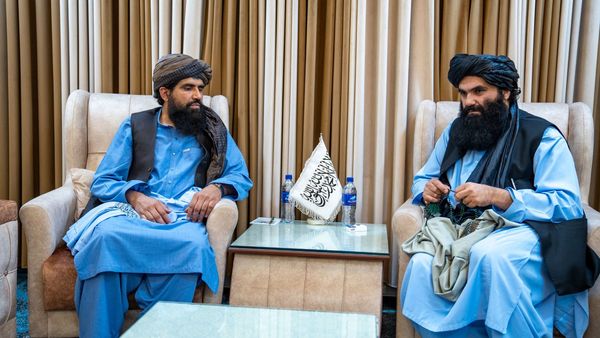
Interior and Labor Ministers Discuss Domestic and International Job Opportunities
Interior Minister Sirajuddin Haqqani and Labor Minister Mullah Abdul Manan Omari met to discuss domestic and international job creation and improve coordination for the deployment and return of Afghan workers.
 Reliable
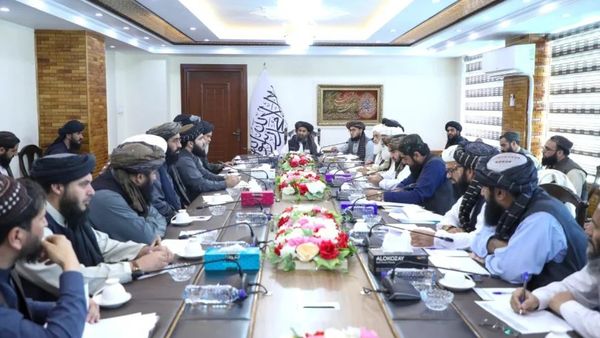
National Procurement Commission Approves 19 Projects Worth 2.8 Billion Afghanis
The National Procurement Commission approved 19 infrastructure and telecommunications projects valued at approximately 2.8 billion Afghanis, funded through the national budget. Officials also adjusted four existing proposals and formed a committee to review the procurement process for one additional project.
 Reliable
Contract Signed for Reconstruction of Aybak–Roy-e-Duab Road in Samangan
The Ministry of Public Works has awarded a 641.67 million Afghani contract to two firms for the two-year reconstruction of a 20-kilometer road in Samangan province. The project aims to improve regional transportation, reduce travel costs, and enhance access to local services.