
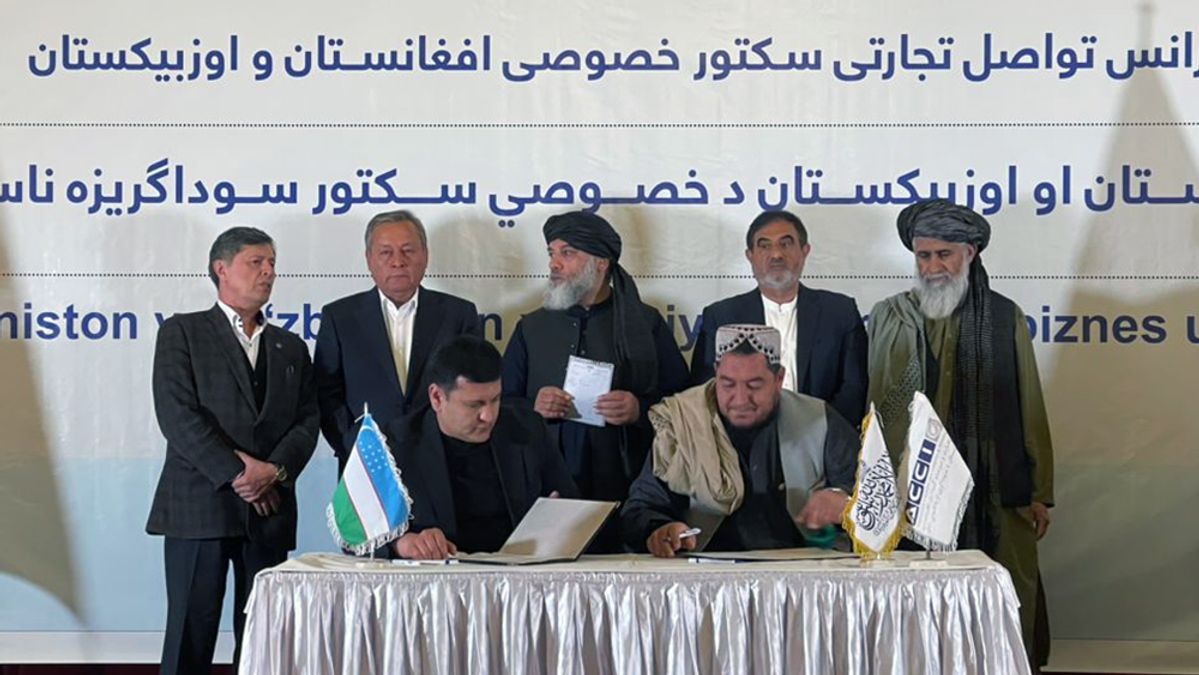
Afghan and Uzbek Traders Sign 38 Agreements Worth $520 Million in Kabul
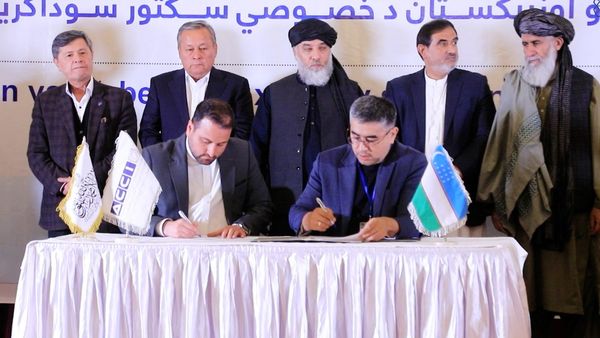
KABUL (Afghan Verified) -- Traders from Afghanistan and Uzbekistan's Andijan province signed 38 trade agreements worth more than $520 million during a private sector business conference in Kabul on Sunday.
The agreements cover sectors including poultry, petroleum products, manufacturing, textiles, food and furniture, according to reports from the event. Ariana News detailed a breakdown of the $520 million: $300 million for investment, $150 million for imports and $70 million for exports.
Industry and Commerce Minister Nooruddin Azizi stated that contracts worth more than $1 billion have been signed so far, marking a new phase in economic relations. He described Afghanistan as a market for Uzbek products and welcomed joint investments.
Afghanistan Chamber of Commerce and Investment (ACCI) head Syed Karim Hashemi noted that agreements totaling around $1.4 billion have been signed over the past six months, with annual trade volume reaching about $1.5 billion, as cited by Ariana News.
Andijan Governor Shukhrat Abdurakhmanov emphasized expanding economic ties and expressed readiness for joint investments. Uzbekistan Chamber of Commerce head Doron Wahabov reported Uzbek investors active in various sectors. Local officials also requested investments in Nangarhar province.
The conference was held at the Intercontinental Hotel, according to Pajhwok Afghan News.
Know more about this story?
If you have additional information or believe something is inaccurate, let us know. Your tips help us stay accurate.
Where reports agree
- 38 trade agreements/MoUs worth $520M signed in Kabul between Afghan and Uzbek (Andijan) traders
- Minister Nooruddin Azizi welcomed cooperation and highlighted market/investment opportunities
- ACCI reported $1.4B in agreements over past 6 months
- Andijan Governor emphasized expanding trade ties and joint investments
Where reports differ
- Exact breakdown of $520M allocation (Ariana only)
- Annual trade volume $1.5B (Ariana only)
- Specific conference details like Intercontinental Hotel (Pajhwok only)
- Nangarhar investment request (Ariana only)
- Slight variations in named sectors and additional quotes (e.g., ACCI head Syed Karim Hashemi in Pajhwok)
More in Economy
UN Women: Only 17 Percent of Returning Migrant Women in Afghanistan Can Earn Income
Trade Volume Between Taliban and Uzbekistan Reaches $298.4 Million in First Two Months of 2026
Uzbek Trade Delegation from Andijan Visits Herat to Boost Economic Ties
Eurasian Development Bank Reports About $200 Million in Eurasian Investments in Afghanistan
 Reliable
UN Women: Only 17 Percent of Returning Migrant Women in Afghanistan Can Earn Income
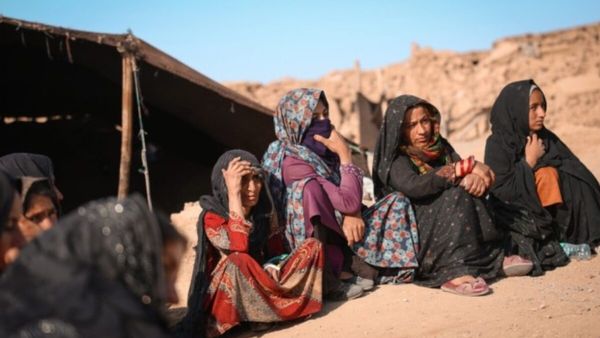
A UN Women report finds that only 17 percent of migrant women returning to Afghanistan can earn an income, with nearly 40 percent unable to use their skills due to barriers like restrictions and lack of tools. The study, based on 700 women in Herat, Nangarhar and Kabul, urges investments in women's livelihoods to avert food insecurity.
 Reliable
Trade Volume Between Taliban and Uzbekistan Reaches $298.4 Million in First Two Months of 2026
Uzbekistan's National Statistics Committee reported $298.4 million in trade between the Taliban and Uzbekistan in January-February 2026, up 8.1% from 2025 and more than double 2024 levels. Afghanistan ranks among Uzbekistan's top 20 partners, with recent private sector deals worth $10 million.
 Reliable
Uzbek Trade Delegation from Andijan Visits Herat to Boost Economic Ties
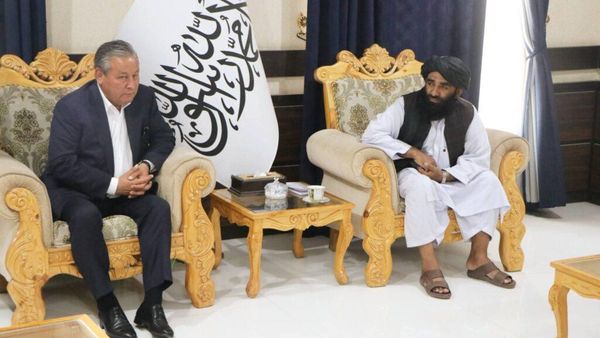
A high-level Uzbek trade delegation led by Andijan Governor Shukhrat Rahmanov visited Herat to enhance economic ties with Afghanistan. The group met with Herat Governor Sheikh Maulana Islamjar to discuss trade expansion, infrastructure, imports, investments, and plans for exhibitions and offices.
 Reliable
Eurasian Development Bank Reports About $200 Million in Eurasian Investments in Afghanistan
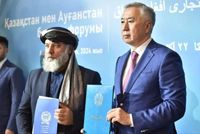
The Eurasian Development Bank reports that Eurasian countries have invested about $200 million in Afghanistan's economy, mainly in infrastructure projects such as railways, pipelines, and power lines from Kazakhstan, Turkmenistan, and Uzbekistan. Further growth depends on enhanced security and financial access.