
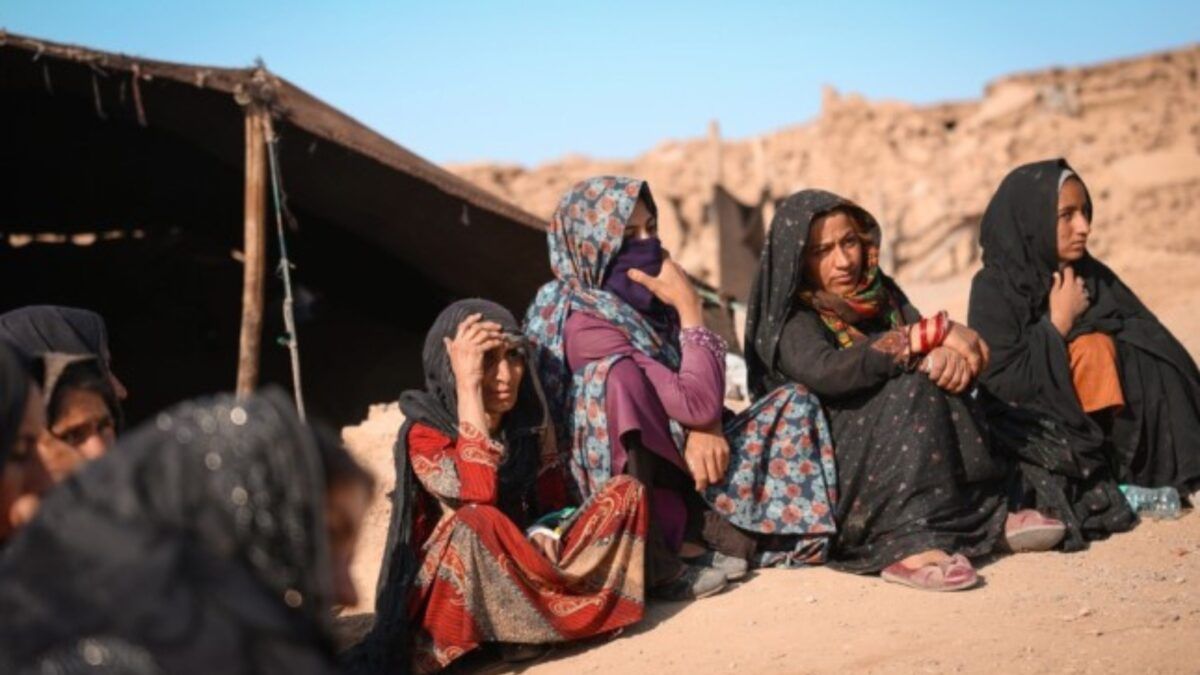
UN Women: Only 17 Percent of Returning Migrant Women in Afghanistan Can Earn Income
A UN Women report states that only 17 percent of migrant women returning to Afghanistan are able to earn an income, with less than one in every five able to do so.
The study, titled "After Return: Rebuilding Afghan Women's Livelihoods," is based on telephone surveys, interviews, focus groups and workshops involving 700 returning women and stakeholders in Herat, Nangarhar and Kabul provinces.
Nearly 40 percent of these women have professional, technical or digital skills but cannot use them due to a lack of job opportunities. Main barriers include employment and mobility restrictions, limited capital or tools — affecting more than 75 percent — and weak markets. More than 75 percent of women who previously worked in Iran and about two-thirds of those who worked in Pakistan are now unemployed after returning.
Since 2023, more than 5.5 million migrants have returned to Afghanistan from Iran and Pakistan. Women and girls constitute more than 25 percent of returnees from Iran and nearly 50 percent from Pakistan in 2025, with numbers expected to rise from Iran amid the Middle East conflict.
The report warns of heightened risks of food insecurity among these women and calls for targeted investments in livelihoods such as small-scale livestock rearing, food processing and sewing.
Susan Ferguson, UN Women Special Representative in Afghanistan, emphasized the need for women's economic participation, stating that returnee women face significant challenges in rebuilding their livelihoods amid collapsed job markets and restrictions.
Know more about this story?
If you have additional information or believe something is inaccurate, let us know. Your tips help us stay accurate.
More in Economy
Salma Production Company in Logar Produces 1,300 Kilograms of Pipes Daily
Uzbekistan Launches Bourse-Based Trading Mechanism with Afghanistan

Afghan Standards Authority Returns 40 Tonnes of Substandard Steel from Islam Qala
Kunar Residents Search for Gold in Riverbeds to Sustain Livelihoods
 Reliable
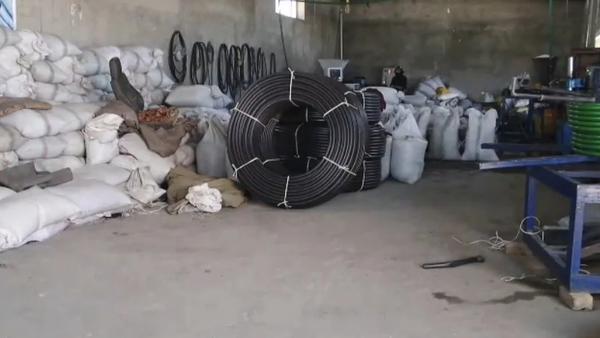
Salma Production Company in Logar Produces 1,300 Kilograms of Pipes Daily
The Salma production company in Logar province produces around 1,300 kilograms of pipes daily from half-inch to 5-inch sizes, providing direct and indirect jobs to about 45 people. With around 85 factories operating in the province to produce various items and reduce imports, company officials are calling for increased investment to support domestic production and create more jobs for youth.
 Reliable
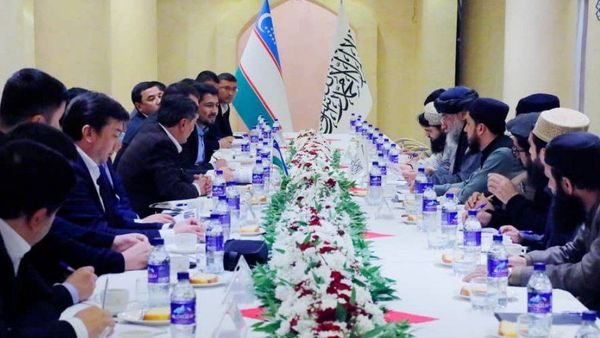
Uzbekistan Launches Bourse-Based Trading Mechanism with Afghanistan
Uzbekistan has launched a bourse-based trading mechanism to simplify and secure trade with Afghanistan using bank guarantees, with partial upfront payments by Afghan buyers and the balance due at the border. The system follows a presidential directive, includes merchant training, and aims to boost bilateral trade despite Uzbekistan not recognizing the Taliban administration while maintaining commercial and political ties including recent deals and oil and gas investments.
 Reliable
Afghan Standards Authority Returns 40 Tonnes of Substandard Steel from Islam Qala
The Afghanistan Standards and Quality Authority returned 40 tonnes of substandard angle iron and more than 26 tonnes of substandard bitumen sheets from Islam Qala port after they failed to meet national standards. The authority emphasized rigorous quality inspections at all ports and urged traders to fulfill their responsibilities by supplying safe, compliant goods.
 Reliable
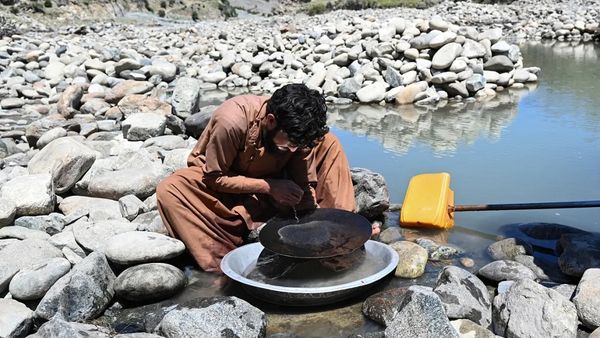
Kunar Residents Search for Gold in Riverbeds to Sustain Livelihoods
Hundreds of Kunar province residents are using traditional methods to search for gold in riverbeds amid limited job opportunities in Afghanistan. Successful panners may earn up to 8,000 afghanis per week, though local officials note environmental concerns from heavy machinery.