
Women in Pakistan's Khyber Pakhtunkhwa Fear Spread of Taliban-Style Restrictions
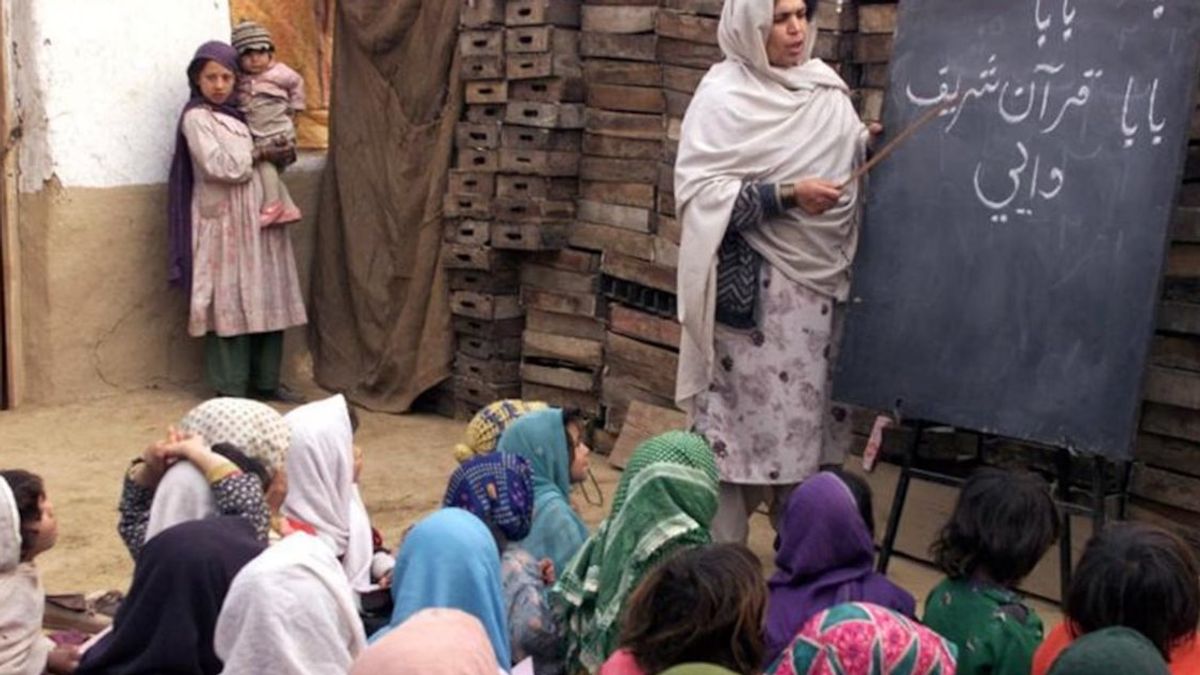
Women in Pakistan's Khyber Pakhtunkhwa province fear the spread of Taliban-style restrictions on women amid threats from the Tehrik-i-Taliban Pakistan (TTP) and attacks on girls' schools.
Afghan girls have been barred from secondary school, high school, and university for five consecutive years. On both sides of the Durand Line, thousands of children have been displaced from schools due to border conflicts and militant attacks, filling temporary refugee camps.
Nahid Afridi, a women's rights activist in Peshawar, stated that no society can progress if women are not allowed to participate in growth and development. She recalled how Afghan women previously worked in schools, universities, government offices, and NGOs but now line up for charity and zakat. Afridi noted that Islam does not require excluding women from society, citing examples from Pakistan and Iran.
Afridi expressed concern over the TTP's announced intention to implement its interpretation of Sharia, similar to Taliban policies in Afghanistan. Restrictions on girls' education have re-emerged in some tribal areas, with schools in Swat and other regions facing repeated threats.
About one month ago, on the 5th of Hoot, unidentified individuals bombed a government school in the Barmal area of South Waziristan, destroying several classrooms, doors, and part of the wall, local officials said. Investigations into the perpetrators continue. In past years, dozens of schools have been set on fire or destroyed with explosives in tribal areas of Pakistan and Khyber Pakhtunkhwa, in a pattern similar to attacks during the Taliban war with Afghanistan's previous government.
Border conflicts between the Taliban and Pakistan have displaced 200 families from one village in the Khyber area, with many living without shelter.
Know more about this story?
If you have additional information or believe something is inaccurate, let us know. Your tips help us stay accurate.
Sources (1)
More in Society
UN Special Rapporteur Bennett Criticizes Taliban Criminal Code for Institutionalizing Repression
International Olympic Committee Bars Transgender Women from Female Events at Olympics

Maulvi Abdul Salam Hanafi Stresses Teaching as Islamic, Moral and National Responsibility

Afghan and Spanish Women Protest in Brussels Calling for EU Action on Women's Rights in Afghanistan
 Reliable
UN Special Rapporteur Bennett Criticizes Taliban Criminal Code for Institutionalizing Repression
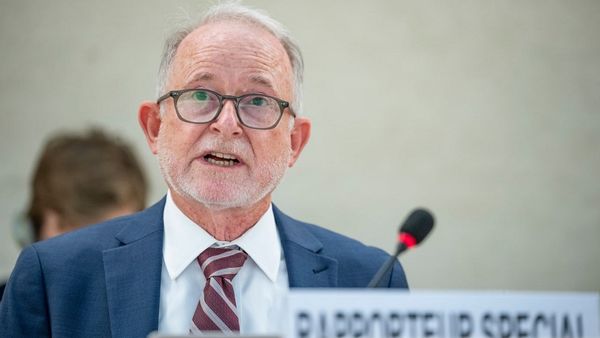
Richard Bennett, UN Special Rapporteur on human rights in Afghanistan, criticized the Taliban’s new criminal code during a virtual meeting with the Network for Research and Support of Women and Children, saying it expands repression against women and vulnerable groups. Network experts warned of serious social and human rights consequences.
 Reliable
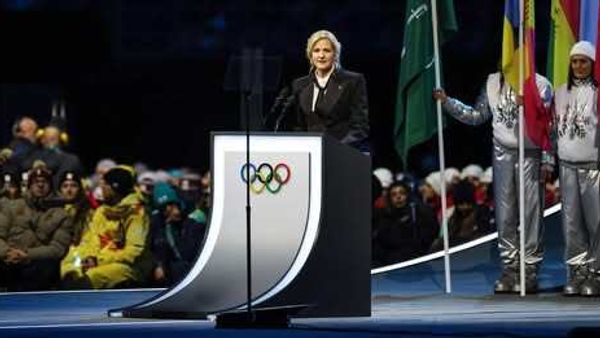
International Olympic Committee Bars Transgender Women from Female Events at Olympics
The International Olympic Committee has barred transgender women from competing in female events at the Olympics starting with the 2028 Los Angeles Games and introduced mandatory gene testing to limit the female category to biological females. The policy also affects athletes with differences in sex development such as Caster Semenya due to advantages from male puberty.
 Reliable
Maulvi Abdul Salam Hanafi Stresses Teaching as Islamic, Moral and National Responsibility
Maulvi Abdul Salam Hanafi, Administrative Deputy of the Prime Minister's Office, spoke at the opening of the new academic year, describing teaching as an Islamic, moral and national responsibility rather than merely a job. He urged parents, teachers and students to prioritize education while reaffirming the Islamic Emirate's commitment to quality educational services nationwide.
 Reliable
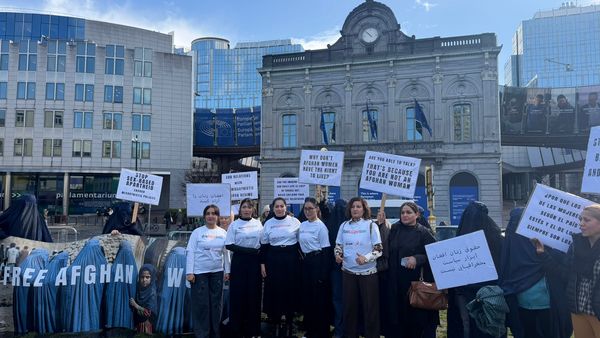
Afghan and Spanish Women Protest in Brussels Calling for EU Action on Women's Rights in Afghanistan
Afghan and Spanish women protested in front of the European Parliament in Brussels, urging the EU to take action on women's rights violations in Afghanistan as schools reopened without girls above sixth grade.