
Uzbekistan Says Excessive Water Withdrawal from Qosh Tepa Canal Could Create Risks
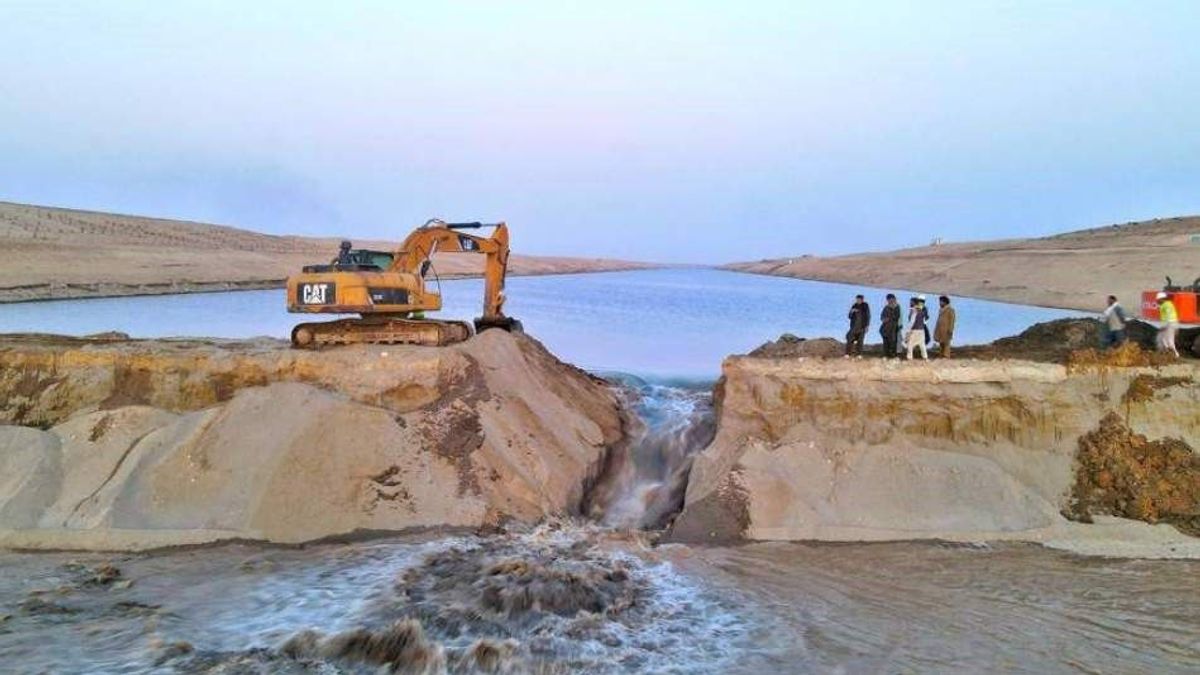
Uzbekistan's Water Resources Minister Shoukat Khamrayev has warned that if Afghanistan withdraws more than two billion cubic meters of water from the Qosh Tepa Canal and potentially up to four billion cubic meters, it could create risks for Uzbekistan's agriculture.
Khamrayev explained that a withdrawal of about two billion cubic meters of water would not have a serious impact on Uzbekistan. However, he cautioned that four billion cubic meters could create risks for its agricultural sector.
The Uzbek minister noted that his country recognizes Afghanistan's right to use water from the Amu Darya. Yet the specific volume of water that is withdrawn remains the main topic of discussion between the two countries.
According to the minister, implementation of the Qosh Tepa Canal project is currently halted primarily due to a lack of electricity for pumps.
The Taliban have accelerated work on the 285-kilometer canal since they returned to power. The project is expected to irrigate 580,000 hectares in northern Afghanistan by drawing water from the Amu Darya.
Phase one of the canal, which stretches 108 kilometers from the Amu Darya to Dawlat Abad district, was inaugurated in Miizan 1402 and was completed ahead of schedule.
The second phase, which is 177 kilometers long, is now under survey and design.
The full Qosh Tepa Canal is 285 kilometers long, measures 8.5 meters in width, and transfers 668.4 cubic meters of water per second.
Know more about this story?
If you have additional information or believe something is inaccurate, let us know. Your tips help us stay accurate.
Sources (1)
More in International

Peace Jirga Planned Between Pakistan and Taliban to Ease Tensions

Iran Launches More Than 40 Airstrikes on Bahrain in Past 24 Hours
Iran Claims Hundreds Killed in Attacks on US Hideouts in Dubai

UK MPs Call for Support for Afghan Women and Opposition Unity
 Reliable
Peace Jirga Planned Between Pakistan and Taliban to Ease Tensions
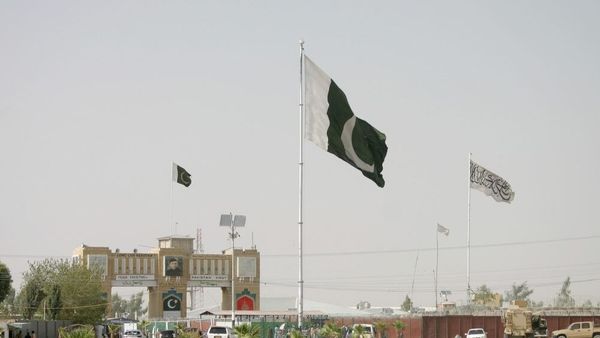
Pakistani sources report a peace jirga between Pakistan and the Taliban is planned, likely for March 31 in Peshawar, to foster mutual respect, call for a ceasefire and issue a joint declaration amid escalating tensions. A follow-up meeting is set for Quetta.
 Reliable
Iran Launches More Than 40 Airstrikes on Bahrain in Past 24 Hours
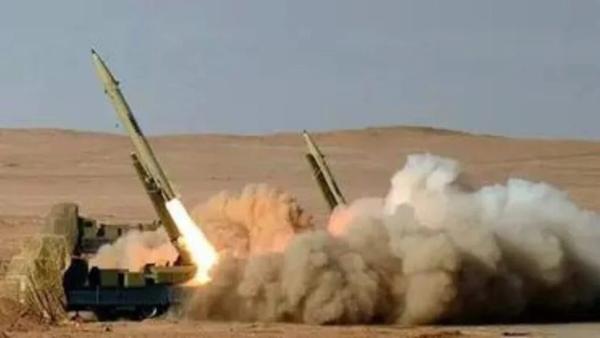
Iran launched more than 40 airstrikes on Bahrain in the past 24 hours, with Bahrain intercepting at least 20 missiles and reporting no casualties. The attacks are part of a month-long war with the United States and Israel.
 Reliable
Iran Claims Hundreds Killed in Attacks on US Hideouts in Dubai
Iran claims to have killed hundreds of US forces in missile and drone attacks on two hideouts in Dubai. The attacks were in response to US actions in the region, with no immediate US reaction reported.
 Reliable
UK MPs Call for Support for Afghan Women and Opposition Unity
British parliamentarians attended a meeting organized by Women for Afghanistan at the UK House of Commons where they discussed the Afghan crisis, called for support for women, and urged unity among Taliban opponents.