
SOCIETY — June 22, 2026
UNICEF Warns That Climate Change Is Increasing Child Malnutrition Risks in Afghanistan
OCHA estimates that 16 million people may need safe drinking water and sanitation in 2026, with children among the hardest hit amid compounding poverty and humanitarian challenges.
The Ehtebar Desk — originates with Khaama Press — 2 min read
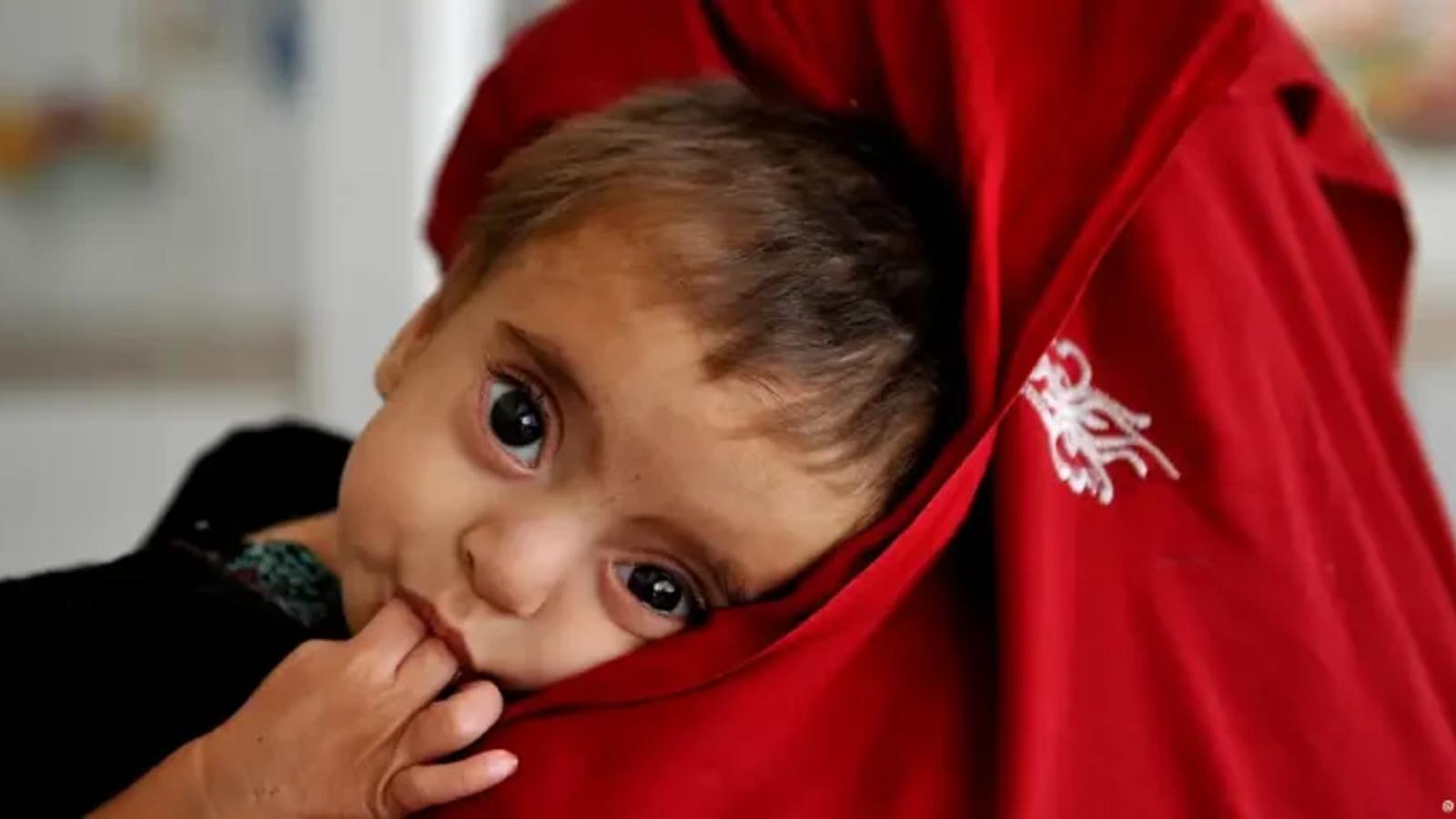
The United Nations Children's Fund has warned that worsening climate-related shocks in Afghanistan are increasing the risks of child malnutrition. The agency has identified prolonged droughts, water shortages, extreme heat, and severe weather events as primary factors contributing to this issue. These shocks are limiting families' ability to secure adequate food supplies and clean water for their households.
Furthermore, the environmental conditions are reducing access to essential healthcare services and vaccination programs. Afghanistan is noted as one of the countries most vulnerable to the impacts of climate change, although it has contributed only minimally to global greenhouse gas emissions over time. This vulnerability is exacerbating the challenges faced by the population.
The United Nations Office for the Coordination of Humanitarian Affairs has provided estimates indicating that around 16 million people in Afghanistan could require access to safe drinking water and sanitation services in 2026. Children are expected to be among the groups hardest hit by these developments, particularly as they occur amid compounding poverty and other humanitarian challenges in the country.
Children are also facing heightened risks of malnutrition along with waterborne diseases. Their access to education and healthcare is being disrupted as a result of the climate shocks. The overall situation underscores the difficulties in addressing these interconnected issues effectively.
Read the original reporting at Khaama Press →
Reliability assessment
Single source provides direct, on-record attribution to named organizations UNICEF and OCHA with specific details on warnings, estimates and impacts
The source language mixes facts with framing or advocacy wording. Khaama Press: "hardest hit by the crisis", "heightening the risk", "placing additional pressure on vulnerable communities"; these phrases use emotional framing and value judgments to emphasize vulnerability and urgency without direct quotes from officials.
Independent web corroboration
A separate web search returned 8 matching reports. A selection:
- KT | Climate Change Worsening Child Malnutrition Crisis in Afghanistan, UNICEF Saysthekabultribune.com
In a recent statement, UNICEF said the increasing impacts of climate change are making living conditions more difficult for children and raising the risk of malnutrition across the country
Those conditions are contributing to rising levels of acute malnutrition, with millions of children under 5 requiring treatment and nearly half of all children in Afghanistan living in severe food poverty
Those conditions are contributing to rising levels of acute malnutrition, with millions of children under 5 requiring treatment and nearly half of all children in Afghanistan living in severe food poverty
- Afghanistan in crisis: Drought, malnutrition and a worsening humanitarian situation | UN Newsnews.un.org
This is the harsh reality for many of Afghanistan’s most vulnerable families, forced on them by climate change and drought, widespread malnutrition and increasing restrictions on women, since the Taliban overran Kabul in 2021
Across the newsrooms
Filed by
Khaama Press
Originating
Framed
Framed
Filed under
Society — UNICEF, Climate Change, Child Malnutrition, OCHA, Water Scarcity
Spotted an error or have more on this story? Tip the desk on Telegram → or WhatsApp →.
Reader supported
Keep Ehtebar running
Every published story uses paid tools to translate reporting, compare sources, extract claims, and produce a clearer read on Afghanistan. Reader support helps keep that work independent.
€5
helps cover daily verification runs
€15
supports a week of source comparison
€50
keeps independent analysis moving
More in Society
Taliban Arrest Women in Herat for Dress Code Violations
— Reliable
Smartphone Ban Ordered by Taliban Leader Hibatullah Akhundzada Hinders Journalists in Kandahar
— Reliable
Fear of arrest leads to sharp decrease in women's presence in Herat
— Reliable
Four killed in traffic collision on Khost-Kabul highway
— Reliable