
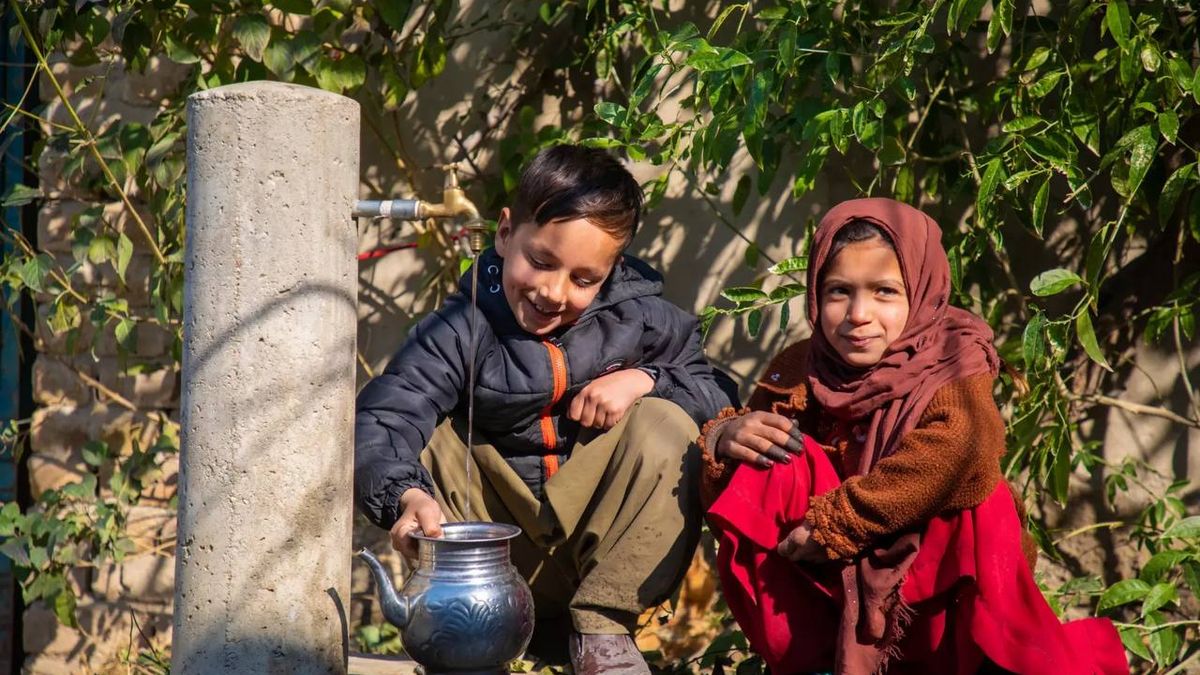
UNICEF: Surobi District in Kabul Was Center of Disease Outbreaks Due to Lack of Clean Water
KABUL — The United Nations Children's Fund (UNICEF) stated that children and families in Kabul's Surobi district previously faced outbreaks of various diseases due to a shortage of safe drinking water.
UNICEF published a report on Wednesday, 5 Hamal, indicating that between 2021 and 2022, Surobi district was the center of disease outbreaks in central Afghanistan. Thousands of people, including young children, fell ill after using polluted water from the Kabul River and contaminated private wells, according to the report.
The organization noted that access to groundwater is difficult in many parts of Afghanistan because of rapid depletion of resources and harsh geographical conditions. In Surobi specifically, mountains and impermeable underground rocks have complicated efforts to obtain clean water, leaving residents to rely primarily on the polluted Kabul River.
To address the issue, UNICEF said a water treatment plant has been constructed in the district with provided funding. The facility purifies water from the Kabul River and supplies clean water to 1,200 families across five villages.
Know more about this story?
If you have additional information or believe something is inaccurate, let us know. Your tips help us stay accurate.
Sources (1)
More in Society
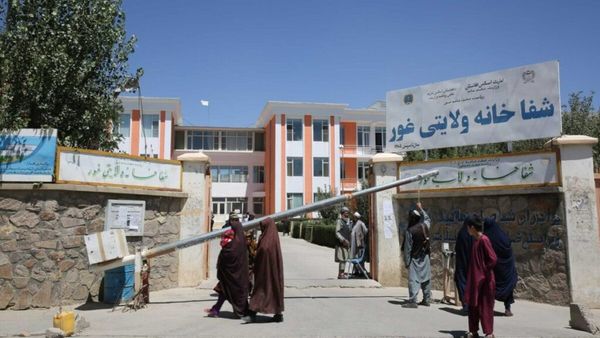
Specialists Resign from Ghor Provincial Hospital Over Improper Conduct by Taliban Officials
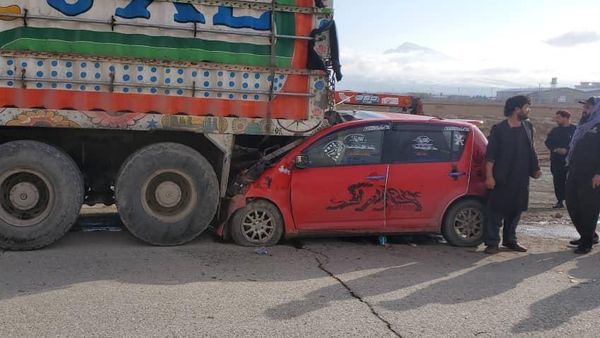
21 Killed, Over 600 Injured in Balkh and Herat Traffic Accidents During Eid-ul-Fitr
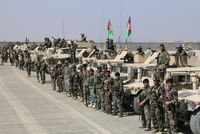
Ravadi Reports 66 Enforced Disappearances by Taliban in Afghanistan in 2025
Ravadi Reports at Least 80 Former Afghan Government Employees Killed or Wounded in 2025
 Developing
Specialists Resign from Ghor Provincial Hospital Over Improper Conduct by Taliban Officials
Residents in Ghor province report that most specialists at the provincial hospital have resigned due to improper conduct by Taliban officials, resulting in 24 vacant female nurse positions and 12 vacant female doctor positions. Complaints continue over poor facilities at the hospital and unaffordable private care.
 Reliable
21 Killed, Over 600 Injured in Balkh and Herat Traffic Accidents During Eid-ul-Fitr
At least 21 people were killed and over 600 injured in traffic accidents in Balkh and Herat provinces during Eid-ul-Fitr holidays, according to health officials. Most incidents involved motorcycles and were attributed to overspeeding, carelessness and reckless driving.
 Reliable
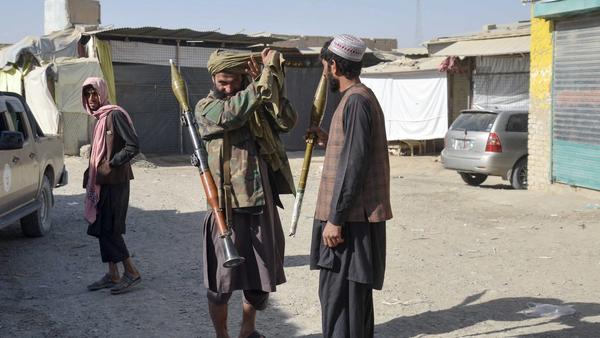
Ravadi Reports 66 Enforced Disappearances by Taliban in Afghanistan in 2025
Human rights group Ravadi's 2025 report documents 66 enforced disappearances by the Taliban in Afghanistan, along with hundreds of killings, injuries, arbitrary detentions, and discrimination against women and minorities. The cases marked a sharp increase from prior years, with victims including former officials and activists.
 Reliable
Ravadi Reports at Least 80 Former Afghan Government Employees Killed or Wounded in 2025
Human rights group Ravadi reported at least 80 former Afghan government employees were killed or wounded in targeted attacks in 2025, mainly by Taliban intelligence, down slightly from prior years. The annual report also detailed 1,154 total casualties, worsening women's rights and increased restrictions on minorities and media.