
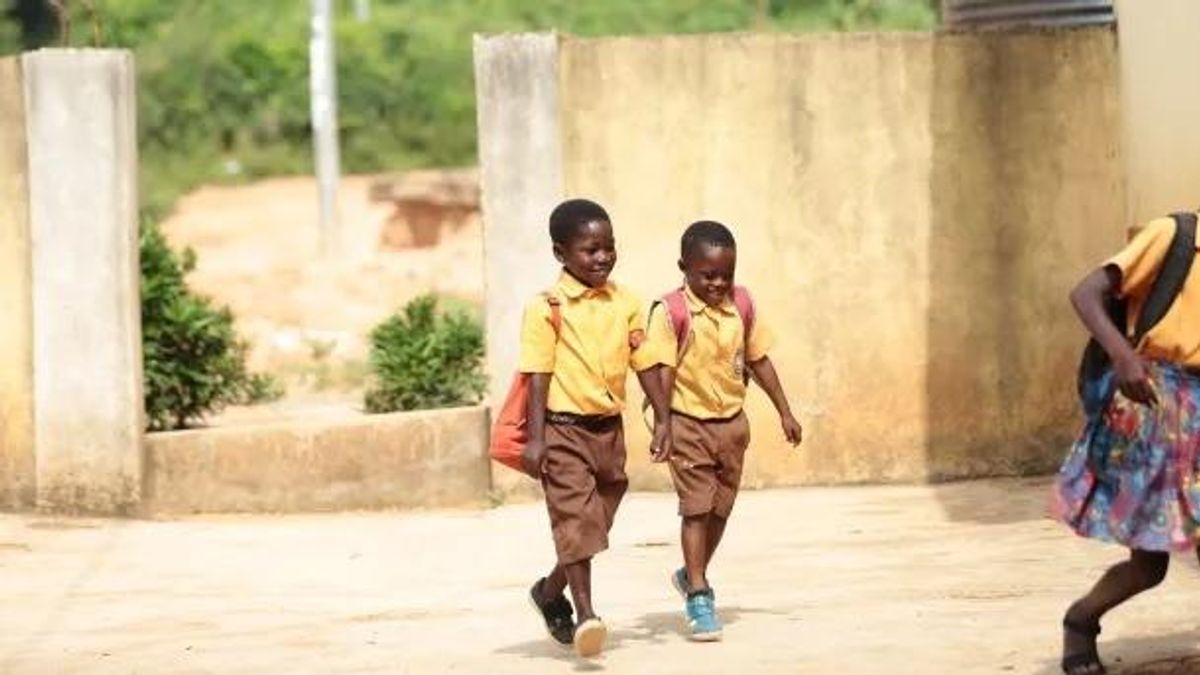
UNESCO Reports 273 Million Children and Adolescents Out of School Worldwide for Seventh Consecutive Year
The United Nations Educational, Scientific and Cultural Organization (UNESCO) reported that 273 million children and adolescents worldwide are out of school, marking the seventh consecutive year of increase.
The figure means one in every six school-age children is deprived of education, with only two out of every three secondary school students completing their studies. UNESCO cited population growth, crises, wars and reduced education budgets as the main causes.
The organization warned that regional crises, especially tensions in the Middle East, have led to school closures depriving millions of children of schooling. More than one-sixth of children live in conflict-affected areas, further limiting access to education, according to the 2026 Global Education Monitoring Report.
Despite the challenges, UNESCO noted progress since 2000, with primary and secondary school enrollment rising 30 percent to 1.4 billion students. Gender gaps have narrowed in many countries, and completion rates have improved: from 77 percent to 88 percent for primary education, 60 percent to 78 percent for lower secondary, and 37 percent to 61 percent for upper secondary.
Hasht-e Subh reported UNESCO highlighting significant reductions in out-of-school rates in countries including Madagascar, Togo, Morocco, Vietnam, Georgia and Turkey.
Know more about this story?
If you have additional information or believe something is inaccurate, let us know. Your tips help us stay accurate.
Where reports agree
- UNESCO reports 273 million out of school for seventh consecutive year
- One in six school-age children out of school
- Two-thirds of secondary students complete education
- Causes: population growth, crises, reduced budgets
- Middle East crises causing school closures
- 30% increase in primary/secondary enrollment since 2000
Where reports differ
- Hasht-e Subh lists specific countries (Madagascar, Togo, Morocco, Vietnam, Georgia, Turkey) reducing out-of-school rates; Pajhwok provides detailed completion rate stats and 1.4 billion enrolled without naming countries
- Pajhwok specifies 2026 GEM Report and >1/6 children in conflict areas; Hasht-e Subh does not
More in Society

Taliban Arrest Two Social Activists in Herat for Demanding Reopening of Girls' Schools
Four Killed, One Wounded in Nangarhar Traffic Accident
Floods in Afghanistan's Badghis Province Kill Five, Cause Damage to Lands and Property
Afghanistan's Academic Year Begins One Week Late, Excluding Girls Above Sixth Grade
 Reliable
Taliban Arrest Two Social Activists in Herat for Demanding Reopening of Girls' Schools
The Taliban arrested two social activists in Herat for posting on social media in support of reopening girls' schools amid a nearly five-year ban on secondary education for girls.
 Reliable
Four Killed, One Wounded in Nangarhar Traffic Accident
Four people were killed and one was injured when a high-speed Swift-type vehicle lost control and collided with a roadside tree in Batikot district of Nangarhar province, according to provincial police.
 Reliable
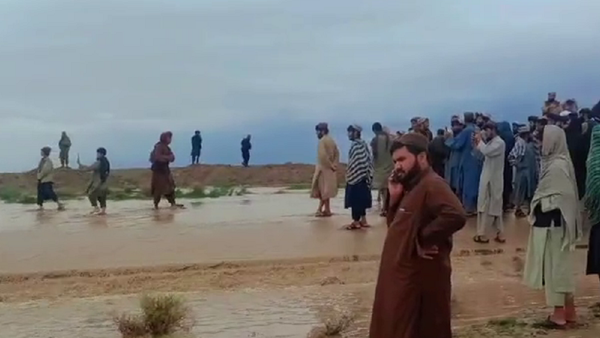
Floods in Afghanistan's Badghis Province Kill Five, Cause Damage to Lands and Property
Floods in Badghis province killed five people, including a child, destroyed agricultural lands and caused financial damage, while heavy rains temporarily closed the Herat-Kandahar highway. The Farah River swelled but has returned to normal.
 Reliable
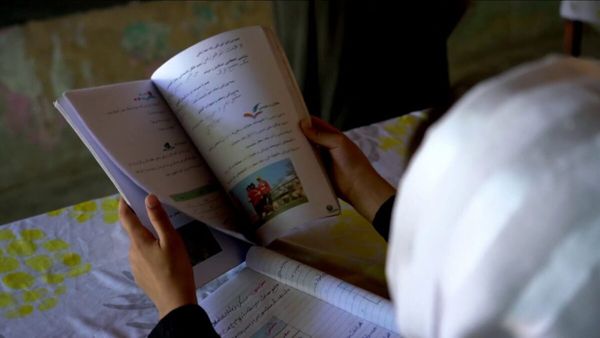
Afghanistan's Academic Year Begins One Week Late, Excluding Girls Above Sixth Grade
Afghanistan's academic year began on March 28, 2026, one week late, with the Taliban permitting only boys and girls below sixth grade to attend amid the fifth year of exclusion for older girls. Male students criticized dress and curriculum restrictions, while affected girls demanded international action; UNICEF cites over 2.2 million girls out of school.