
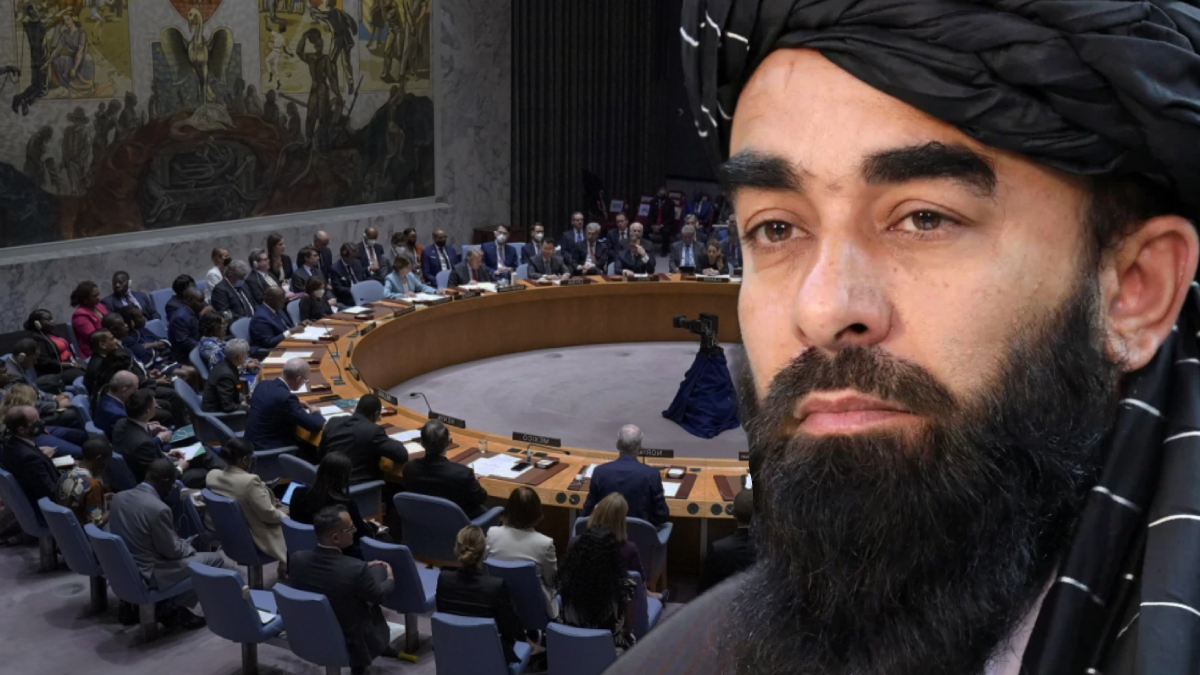
UN Security Council Updates Sanctions List to 22 Taliban Officials
The UN Security Council Sanctions Committee published an updated list on 19 Hoot of 22 senior Taliban officials subject to sanctions, down from 61 the previous year.
The new list adds Azizurrahman Abdulahad, third secretary at the Taliban embassy in the United Arab Emirates. It removes at least 39 names, including Shahabuddin Delawar, head of the Taliban Red Crescent Society; Abbas Stanekzai, deputy political minister of foreign affairs; Hamdullah Naumani, acting minister of urban development and housing; and several members of the Haqqani network such as Yahya Haqqani and Shams al-Rahman.
Prominent figures remaining on the list include Prime Minister Mohammad Hassan Akhund, Deputy Prime Ministers Abdul Ghani Baradar and Abdul Salam Hanafi, Foreign Minister Amir Khan Muttaqi, Interior Minister Sirajuddin Haqqani, Refugees Minister Abdul Kabir, and others such as Abdul Haq Waseeq, intelligence chief.
The sanctions, imposed under UN Security Council Resolution 1988, include asset freezes, travel bans requiring permission from the council, and arms embargoes. Taliban leader Hibatullah Akhundzada is not on the list.
Zabihullah Mujahid, spokesman for the Islamic Emirate of Afghanistan, condemned the updated list as a 'violation of human rights' and 'repetition of a failed experience' with no results. He said the measures deprive individuals of rights without cause, limit officials' travel, harm international relations, and negatively affect the nation and its people, calling for the sanctions to be lifted.
Know more about this story?
If you have additional information or believe something is inaccurate, let us know. Your tips help us stay accurate.
Where reports agree
- UNSC Sanctions Committee updated list to 22 Taliban/IEA officials
- Core remaining names overlap: Hassan Akhund, Baradar, Hanafi, Muttaqi, Haqqani, etc.
- Sanctions types: travel ban, asset freeze, arms embargo
- Mujahid's criticism of sanctions as rights violation and ineffective
Where reports differ
- Exact full lists of 22 names vary slightly across sources (e.g., spellings, completeness)
- Previous list size: 61 (Source1) vs. implied larger (others)
- Hibatullah Akhundzada not on list (noted only in Source2)
More in Politics

Taliban Opponents' Meeting Begins in European Parliament
Pakistani political figures call for end to clashes with Taliban
Pakistan Invites Prominent Taliban Opponents to Islamabad Meeting After Eid al-Fitr
Hibatullah Akhundzada Issues Eid al-Fitr Message Emphasizing Unity and Non-Interference in Afghan Affairs
 Reliable
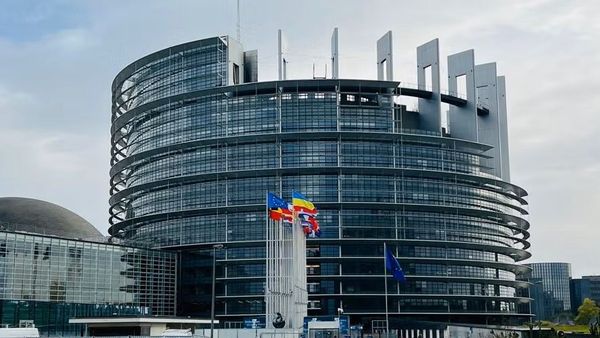
Taliban Opponents' Meeting Begins in European Parliament
A meeting of Taliban political and military opponents began in the European Parliament on March 16, its first official engagement on the Afghan crisis. Meanwhile, the WHO highlighted rising health issues among Afghan returnees, and Taliban leader Hibatullah Akhundzada issued an Eid message urging unity without addressing border clashes or women's rights.
 Reliable
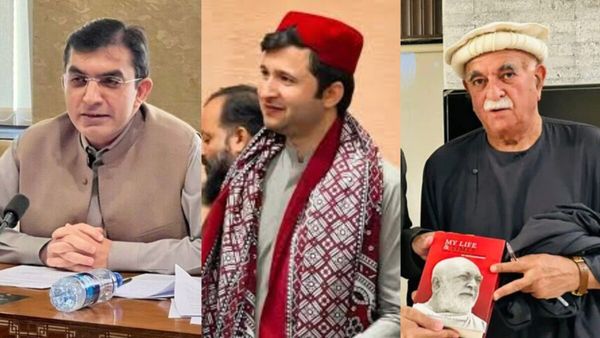
Pakistani political figures call for end to clashes with Taliban
Pakistani politicians Mahmoud Khan Achakzai, Mohsen Dawar and Khushhal Khan Kakar issued a joint statement calling for an end to clashes between the Taliban and Pakistan, citing civilian casualties from Pakistani airstrikes in Afghanistan. They described the tensions as an 'undeclared war' affecting Pashtuns and urged policy changes to promote peace.
 Developing
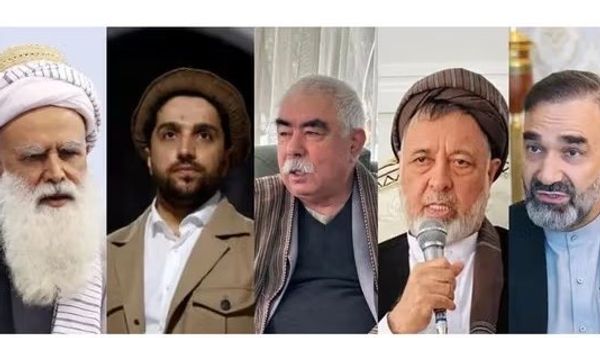
Pakistan Invites Prominent Taliban Opponents to Islamabad Meeting After Eid al-Fitr
Pakistan has invited prominent political and military opponents of the Taliban to Islamabad for a likely meeting after Eid al-Fitr. In separate developments, the Taliban released hundreds of prisoners in Nangarhar and Helmand provinces, while the UN sanctions committee added one Taliban official to its list and removed dozens of others.
 Reliable
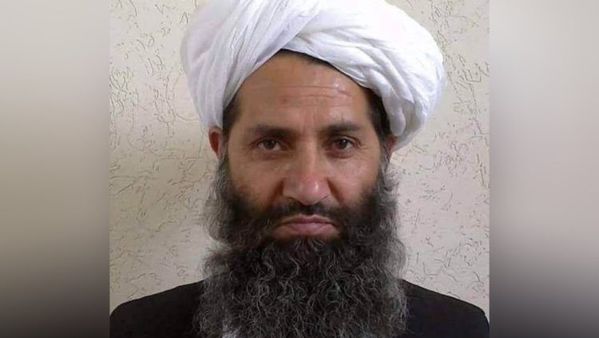
Hibatullah Akhundzada Issues Eid al-Fitr Message Emphasizing Unity and Non-Interference in Afghan Affairs
Hibatullah Akhundzada, leader of the Islamic Emirate of Afghanistan, released an Eid al-Fitr message emphasizing unity, obedience, improved security, non-interference in Afghan affairs, and condemnation of global injustices against Muslims. Critical outlets noted its silence on Pakistan border clashes and women's rights amid ongoing conflicts.