
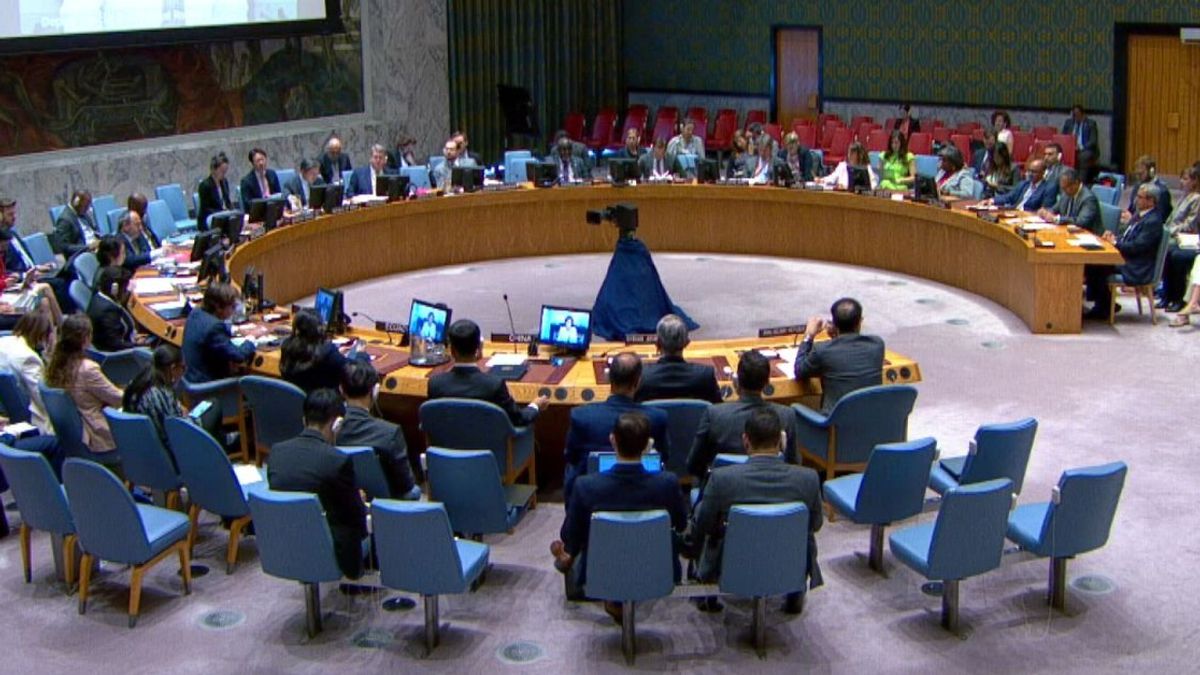
UN Security Council Unanimously Extends Taliban Sanctions Monitoring Team Mandate by One Year
The UN Security Council unanimously extended the mandate of the monitoring team overseeing sanctions against the Taliban for one additional year on Thursday, February 12, 2026 (23 Dalu). All 15 members approved the resolution continuing sanctions regime 1988, and exemptions from travel bans for some Taliban leaders were not renewed.
The draft resolution was prepared by the United States. The monitoring team supports committees responsible for directly overseeing sanctions related to Afghanistan, including asset freezes, travel bans, and an arms embargo on Taliban-associated individuals and entities. The committee identifies and lists eligible individuals, reviews exemption requests, and submits periodic reports to the Security Council on developments.
Tim Bruce, U.S. deputy representative to the UN, stated after the vote: "The monitoring team's reports provide key analyses on how these sanctions impact listed individuals and entities, while also helping us gain a more precise understanding of the current situation in Afghanistan."
The Taliban has repeatedly urged countries to lift the sanctions. However, activities of terrorist groups in Afghanistan, discrimination against women, and the absence of an inclusive government have prevented the Security Council from reviewing the sanctions.
A recent UN sanctions monitoring team report released on February 11 (22 Dalu) states that the Taliban supports terrorist groups including Al-Qaeda, Tehrik-i-Taliban Pakistan (TTP), and the East Turkestan Islamic Movement (ETIM). It notes that senior Al-Qaeda members such as Osama Mahmoud and his deputy Yahya Ghori are present in Kabul.
The team's six-month report to the Security Council on global terrorism threats indicates that Al-Qaeda continues to receive Taliban support and acts as a service provider in Afghanistan, particularly offering training and advice to TTP. Al-Qaeda's Indian subcontinent branch is active in southeastern Afghanistan, with its leader Osama Mahmoud and deputy Yahya Ghori in Kabul, and the group's media team operating in Herat.
Know more about this story?
If you have additional information or believe something is inaccurate, let us know. Your tips help us stay accurate.
More in International

Greece, Germany, Netherlands, Austria and Denmark agree to establish migrant return centers outside EU
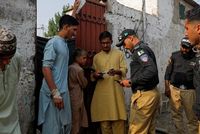
Pakistan Launches Extensive Raids on Undocumented Afghan Migrants' Homes in Islamabad and Nearby Areas

Islamic Emirate Envoy in Doha Highlights Historical Ties with Qatar, Seeks Expanded Cooperation
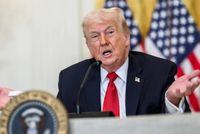
Trump directs US federal agencies to identify and release UFO, UAP and alien life documents
 Reliable
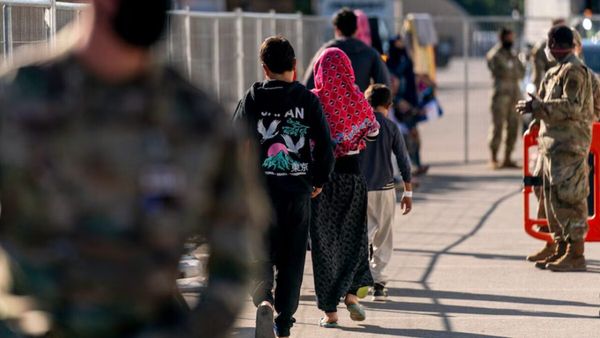
Greece, Germany, Netherlands, Austria and Denmark agree to establish migrant return centers outside EU
Greece is partnering with Germany, the Netherlands, Austria and Denmark to establish migrant return centers outside the EU, likely in Africa, as announced by Migration Minister Thanos Pleuris. The initiative aims to handle rejected asylum seekers and includes upcoming talks with Pakistan on returns amid declining illegal entries to Greece.
 Unconfirmed
Pakistan Launches Extensive Raids on Undocumented Afghan Migrants' Homes in Islamabad and Nearby Areas
Pakistani security forces conducted raids on undocumented Afghan migrants' homes in Islamabad, Rawalpindi and other areas, inspecting hundreds of residences amid stricter identity checks and ongoing deportations of thousands daily.
 Reliable
Islamic Emirate Envoy in Doha Highlights Historical Ties with Qatar, Seeks Expanded Cooperation
Suhail Shaheen, acting ambassador of the Islamic Emirate in Doha, highlighted longstanding ties with Qatar and called for expanded cooperation in investment, trade, education and health. Experts and a prior Qatari official statement underscore Qatar's bridging role in Afghanistan's diplomacy and aid efforts.
 Reliable
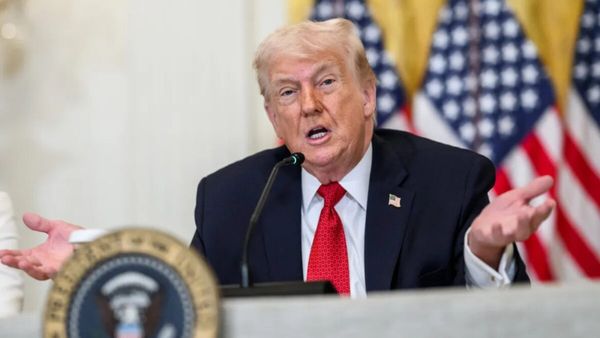
Trump directs US federal agencies to identify and release UFO, UAP and alien life documents
Donald Trump has instructed US federal agencies to identify and release government documents on UFOs, UAPs and alien life, following comments by Barack Obama affirming the existence of extraterrestrials.