
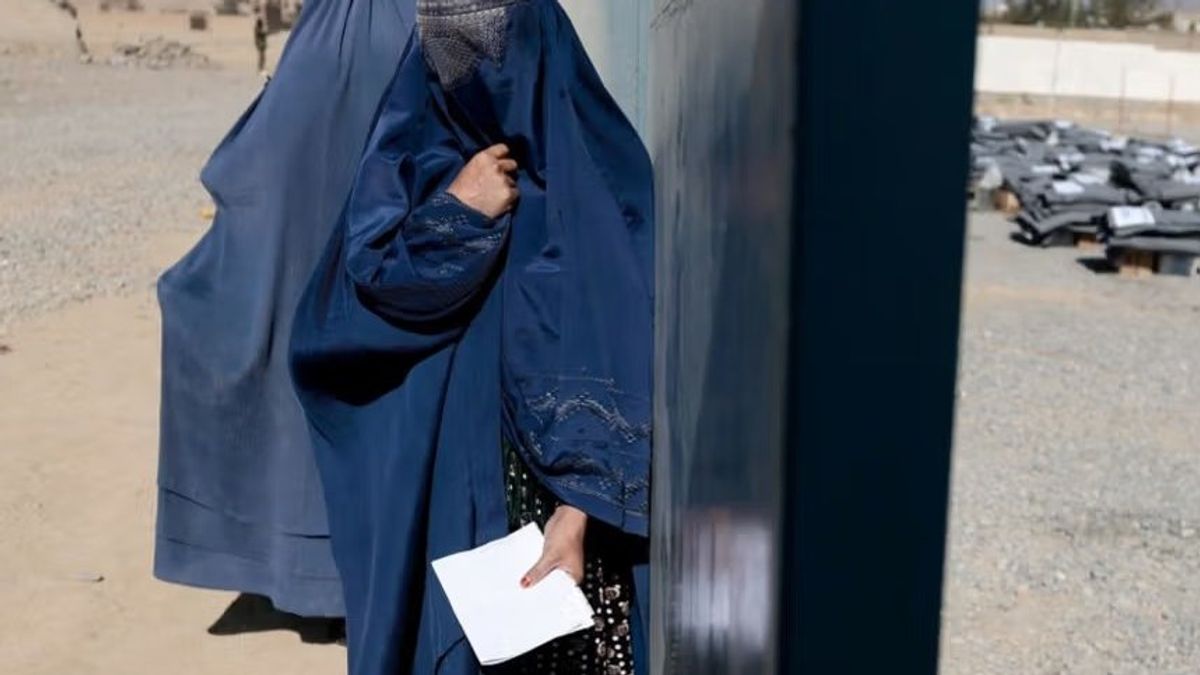
UK newspaper: Afghan men face maximum 15 days in prison for seriously injuring wives under new Taliban penal code
A new Taliban penal code, as reported by the UK newspaper The Independent, requires Afghan women to appear in court accompanied by their husband or a male guardian to file complaints of assault, even when the husband is the primary accused.
The code equates women to slaves, permitting husbands or male guardians to punish wives or those under their supervision with physical beatings at their discretion, according to the report.
A Kabul-based legal advisor told The Independent that women face a lengthy and arduous process to seek justice in violence cases. The advisor cited a recent case where a woman visiting her imprisoned husband was beaten by a Taliban guard. When she filed a complaint, she was told it could not proceed without her incarcerated husband present as her male guardian. "Obtaining any justice for women who are attacked is impossible," the advisor said.
Human rights experts noted that the code neither condemns nor explicitly prohibits physical, psychological, or sexual violence against women.
Following online backlash and criticism from overseas activists, the Taliban issued a separate decree criminalizing discussion of the new code, prompting widespread fear of reprisals.
Ravati, an organization monitoring human rights under Taliban control, highlighted Article 34, which states that a woman who repeatedly goes to her parents' or relatives' home without her husband's permission, and refuses to return despite his requests, faces three months in prison, as do family members who shelter her. Shirzad Akbar, Ravati's executive director, told The Independent this provision exposes women fleeing domestic violence to continued abuse by stripping away familial support.
Under the code, if a wife commits an offense, her husband administers the punishment instead of judicial authorities. It also establishes a hierarchical system exempting religious scholars from punishment, with clerics executing corporal penalties for serious crimes. Akbar stated, "Now the mullah is king. The mullah is the decision-maker and has all the privileges that ordinary people don't, even above the elite."
Know more about this story?
If you have additional information or believe something is inaccurate, let us know. Your tips help us stay accurate.
More in Society

Former Minister Abdul Bari Jahani Calls Tarawih Prayer a 'Bid'ah'

Magnitude 5.8 earthquake strikes northeastern Afghanistan

Afghanistan Football Federation to Introduce New National Team Coach in Kabul
Taliban leader issues new criminal code permitting husbands to beat wives without visible injuries
 Reliable
Former Minister Abdul Bari Jahani Calls Tarawih Prayer a 'Bid'ah'
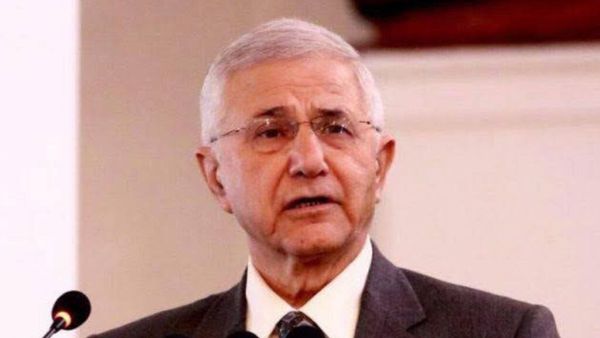
Abdul Bari Jahani, former Afghan minister and national anthem poet, claimed the Tarawih prayer is a 'bid'ah' not found in the Quran or Hadiths and attributed to Umar bin Khattab, prompting diverse reactions on social media.
 Reliable
Magnitude 5.8 earthquake strikes northeastern Afghanistan
A 5.8-magnitude earthquake hit northeastern Afghanistan on Thursday evening at a depth of 90.7 kilometers, according to the U.S. Geological Survey, with no immediate reports of casualties or damage.
 Reliable
Afghanistan Football Federation to Introduce New National Team Coach in Kabul
Afghanistan Football Federation will introduce Brazilian coach Jose Antonio Nogueria as new national team head in Kabul tomorrow, amid calls for stability in Afghan football.
 Unverified
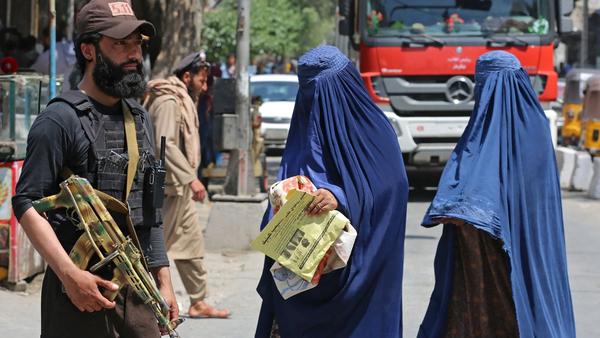
Taliban leader issues new criminal code permitting husbands to beat wives without visible injuries
A new Taliban criminal code reportedly allows husbands to beat wives without causing visible injuries or broken bones, with strict conditions for women to file complaints. Penalties for women fleeing abuse are also outlined, up to three months in prison.