
UK Envoy Highlights Importance of Male Support for Girls’ Education in Afghanistan Following Activist’s Award
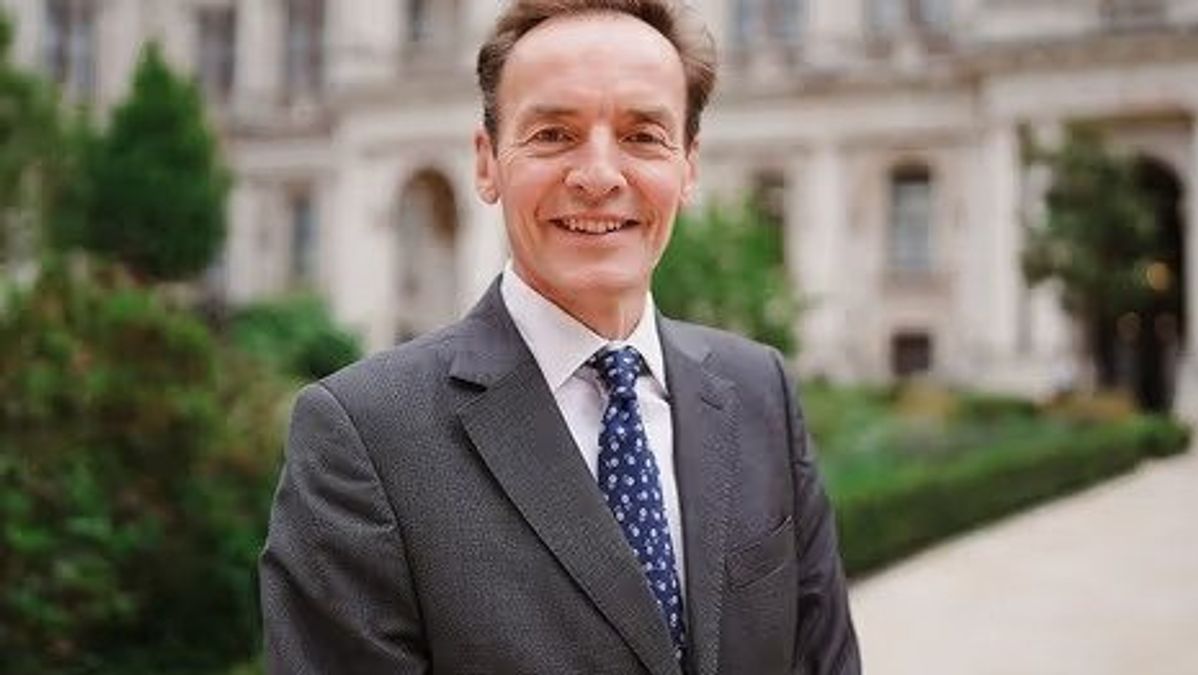
The United Kingdom’s special representative for Afghanistan stated that male advocacy for girls’ education remains a vital component of the country’s future, following the selection of Afghan activist Matiullah Wesa for the 2026 Freedom Prize.
Richard Lindsay, the UK special representative, publicly congratulated Wesa on receiving the award, which is organized by France’s Normandy region. The prize was determined through a global vote involving 18,708 young people from 75 countries. In a statement on social media, Lindsay emphasized that the active participation of men in supporting educational access for women and girls is essential for Afghanistan’s long-term development and social progress.
Wesa is the founder of the education initiative Rah-e-Qalam, also referred to as Pen Path, which has worked to establish learning centers in remote and underserved areas of the country. His advocacy efforts have previously resulted in his detention by the Taliban, who have enforced widespread restrictions on secondary and higher education for females since taking control of the country.
The award underscores continued efforts to address educational barriers in Afghanistan. The ongoing limitations on female schooling continue to impact the nation’s humanitarian and economic landscape. The Freedom Prize is designed to recognize and amplify the work of individuals and organizations dedicated to advancing human rights and civic engagement globally.
Know more about this story?
If you have additional information or believe something is inaccurate, let us know. Your tips help us stay accurate.
Where reports agree
- Both sources confirm the UK Special Representative publicly congratulated Matiullah Wesa on winning the 2026 Freedom Prize.
- Both cite the envoy's statement on X describing male support for girls' education as 'vital' for national progress.
- Both report identical voting statistics: 18,708 youth from 75 countries participated in selecting the winner.
- Both confirm Wesa's prior detention by the Taliban and his work promoting education in remote/deprived areas.
Where reports differ
- Minor spelling variation of the UK envoy's surname: 'Lindsley' (Amu TV) vs 'Lindsay' (Khaama Press).
- Translation difference for Wesa's organization: 'Rah-e-Qalam' (Amu TV) vs 'Pen Path' (Khaama Press), which refer to the same entity.
- Khaama Press includes additional contextual reporting on Afghanistan's broader education restrictions and humanitarian crisis, which Amu TV omits.
More in Society
Former Afghan Soldier in Badakhshan Appeals for Humanitarian Assistance
WHO Reports Afghanistan Faces One Maternal Death Nearly Every Hour
UN: Retaining Walls Protect Rural Communities from Floods in Afghanistan
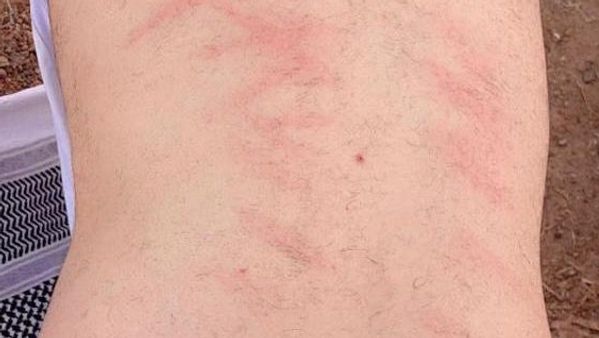
Investigation Documents Over 107,000 Public Lashings in Afghanistan Since August 2021
 Reliable
Former Afghan Soldier in Badakhshan Appeals for Humanitarian Assistance
A former Afghan National Army officer from Badakhshan is appealing to humanitarian organizations for medical and financial aid after years of health complications and depleted savings. He cites severe symptoms and an inability to work as the primary reasons for his request.
 Reliable
WHO Reports Afghanistan Faces One Maternal Death Nearly Every Hour
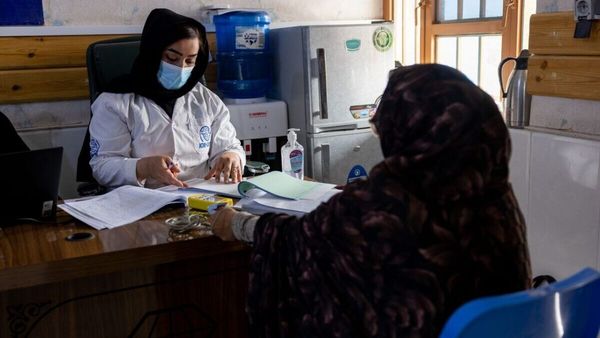
The World Health Organization reports that Afghanistan records nearly one maternal death per hour, with a mortality rate of 521 per 100,000 live births. Despite improvements in prenatal care and skilled birth attendance over the past two decades, funding shortages and restricted mobility for women threaten to reverse these health gains.
 Reliable
UN: Retaining Walls Protect Rural Communities from Floods in Afghanistan
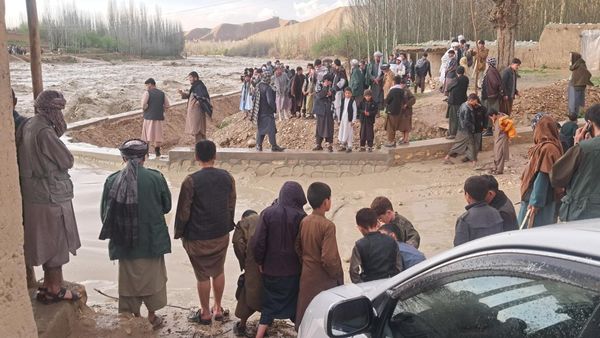
The UN World Food Programme reports that 776 meters of newly constructed retaining walls across six Afghan provinces have successfully protected rural families and agricultural land from seasonal floods, though climate vulnerability remains high nationwide.
 Reliable
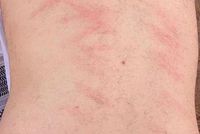
Investigation Documents Over 107,000 Public Lashings in Afghanistan Since August 2021
An investigation cross-referencing Taliban Supreme Court records with international human rights data documents over 107,000 public lashings in Afghanistan between August 2021 and March 2026. Researchers note the figures are likely underreported due to media restrictions and fear of reprisals.