
Trump Rejects Iran's Latest Peace Proposal as Military Warns of Renewed Conflict
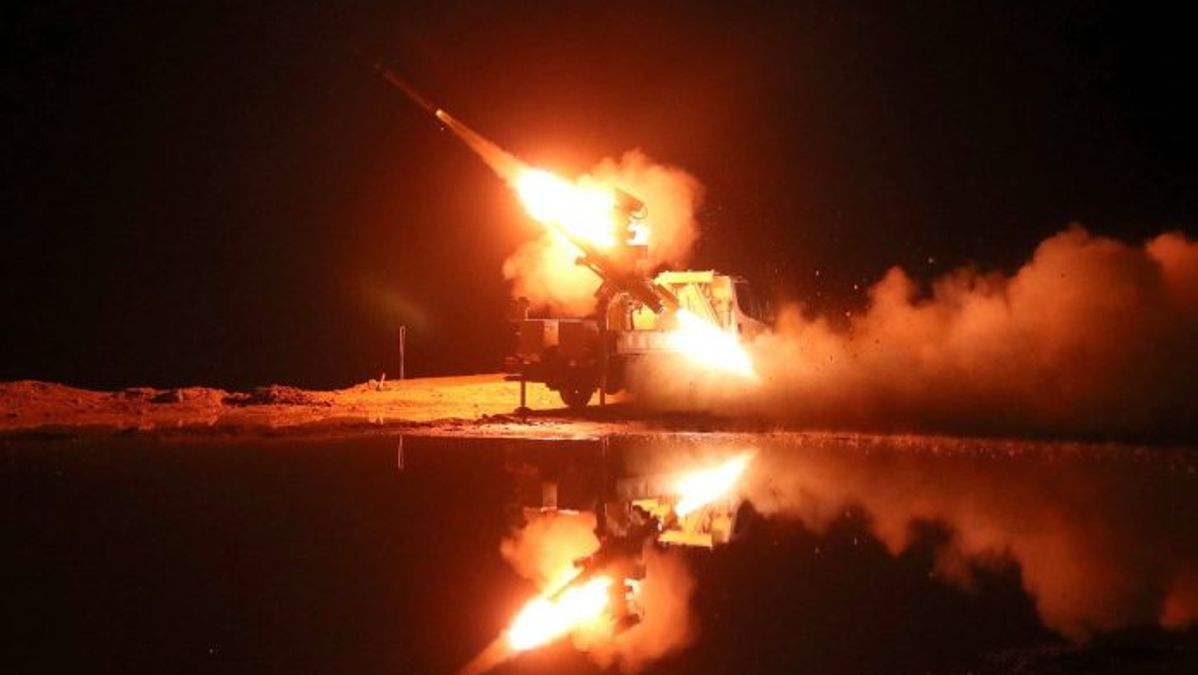
President Donald Trump has formally rejected Iran’s latest diplomatic proposal, halting progress toward a permanent resolution of a two-month conflict centered on Tehran’s nuclear program and navigation rights in the Strait of Hormuz. Although a ceasefire was established on April 8, core disputes remain unresolved, leading Iranian military officials to warn that armed conflict with the United States and Israel could resume.
Iranian armed forces pointed to deep-seated distrust in the negotiation process as the driving factor behind the warning. Officials emphasized that the diplomatic impasse, alongside sustained military readiness from all parties, has significantly elevated regional tensions. Security analysts caution that the current stalemate increases the likelihood of renewed hostilities, which could disrupt global energy supplies and impact international markets.
In response to the diplomatic breakdown, global oil prices saw a slight decrease, reflecting market sensitivity to the ongoing geopolitical uncertainty. Concurrently, the United States announced the withdrawal of 5,000 military personnel from Germany, a strategic adjustment tied to broader defense disputes. The conflict has reportedly resulted in thousands of casualties since fighting initially erupted.
With formal talks currently stalled, both sides continue to maintain heightened military readiness. International observers are closely monitoring developments to determine whether diplomatic channels will reopen or if the region will face further escalation.
Know more about this story?
If you have additional information or believe something is inaccurate, let us know. Your tips help us stay accurate.
Where reports agree
- Trump rejected Iran's latest diplomatic proposal.
- Iranian officials and military warn of potential conflict resumption due to mutual distrust.
- Previous ceasefire and diplomatic efforts have stalled amid deep strategic disagreements.
- The situation poses significant risks to regional stability and global energy markets.
Where reports differ
- Ariana News reports a specific US withdrawal of 5,000 troops from Germany, while Khaama Press omits this detail.
- Ariana News cites specific casualty figures ('thousands') and a ~1% drop in Brent crude; Khaama Press does not include these specific metrics.
- Ariana News explicitly dates the ceasefire to April 8; Khaama Press refers only generally to past ceasefire arrangements.
More in International
Afghan and Iranian Officials Discuss Prisoner Transfer Process in Tehran

International Organizations Highlight Press Freedom Challenges on World Press Freedom Day
Hamas Rejects U.S.-Backed Disarmament Proposal Without Palestinian State Guarantee
Iranian Oil Tanker Bypasses US Naval Blockade, Reaches Asia-Pacific Region
 Reliable
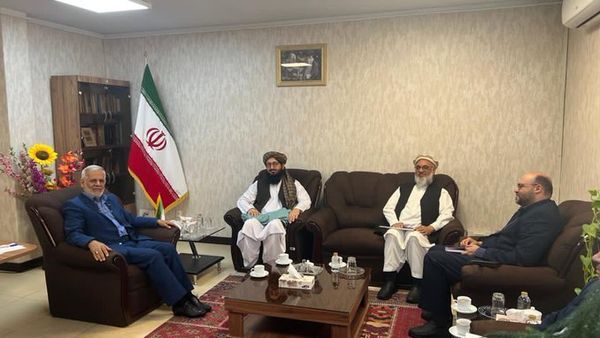
Afghan and Iranian Officials Discuss Prisoner Transfer Process in Tehran
Officials from the Islamic Emirate of Afghanistan and Iran met in Tehran to expand judicial cooperation and coordinate a new phase of prisoner transfers. The discussions build on previous repatriation efforts that have already returned dozens of Afghan detainees.
 Reliable
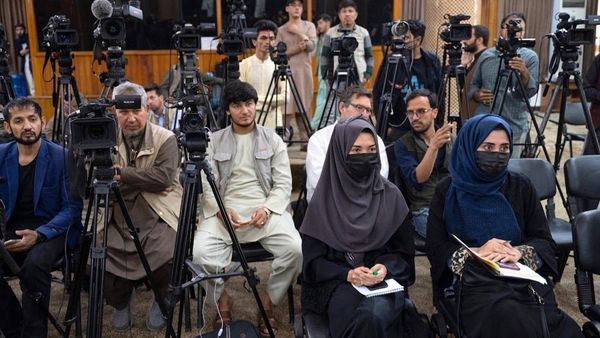
International Organizations Highlight Press Freedom Challenges on World Press Freedom Day
International organizations marked World Press Freedom Day by warning of a global decline in media independence and highlighting severe restrictions, detentions, and gender-based barriers facing journalists in Afghanistan.
 Reliable
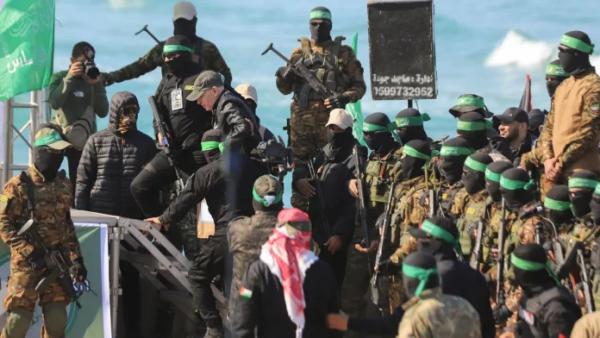
Hamas Rejects U.S.-Backed Disarmament Proposal Without Palestinian State Guarantee
Hamas has rejected a U.S.-backed phased disarmament plan for Gaza, insisting that any surrender of weapons must be tied to guaranteed Palestinian statehood. Diplomatic sources report that negotiations remain stalled due to unresolved security disputes and competing international priorities.
 Reliable
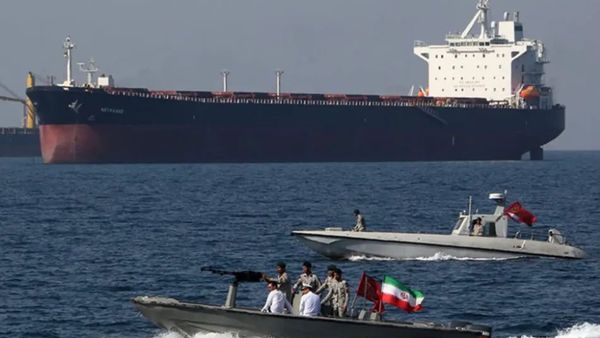
Iranian Oil Tanker Bypasses US Naval Blockade, Reaches Asia-Pacific Region
A National Iranian Oil Company tanker carrying 1.9 million barrels of crude oil has bypassed a US naval blockade and reached the Asia-Pacific region. Tracking data indicates this follows dozens of similar successful transits by Iranian vessels.