
Taliban Censorship and Economic Hardship Strain Afghanistan’s Book Market on World Book Day
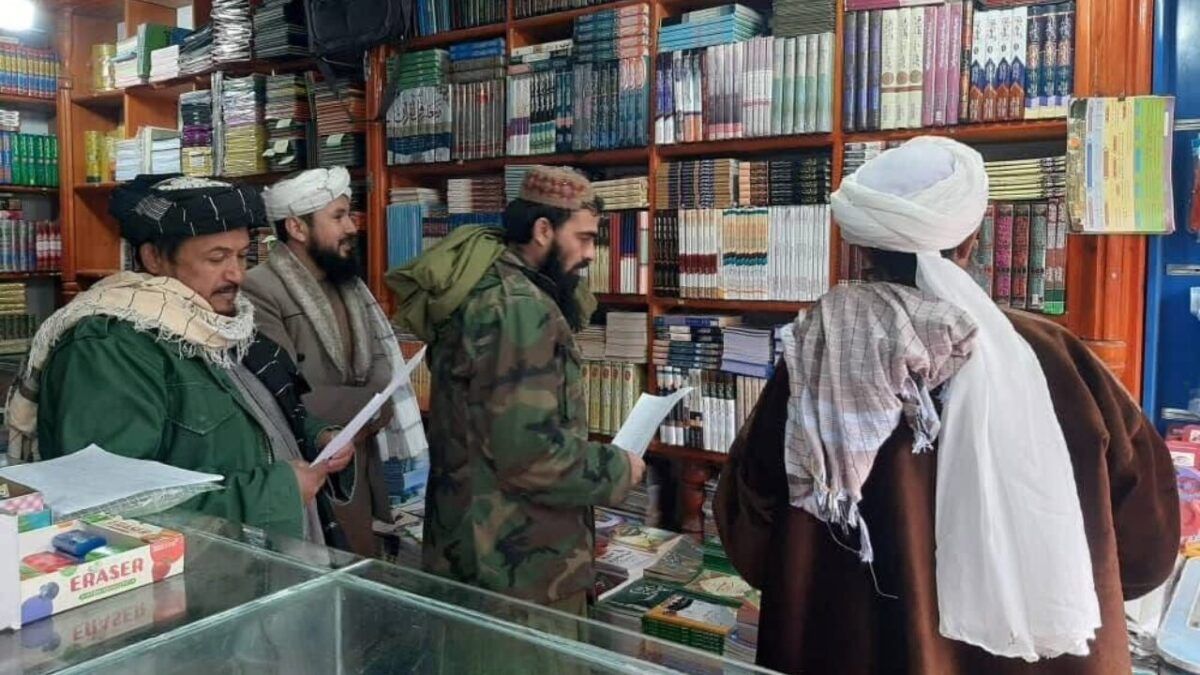
As the world observes World Book Day on April 23, Afghanistan’s publishing sector continues to face significant challenges stemming from ideological restrictions and economic hardship. The Taliban’s Ministry of Information and Culture operates a dedicated evaluation commission that reviews manuscripts before granting publication permits. Over the past year, the ministry assessed 370 titles and denied approval for dozens, citing ideological incompatibility.
Officials state that the commission enforces strict guidelines, prohibiting works authored by women and texts that address democracy or non-Islamic values. In addition to domestic restrictions, authorities closely monitor and limit book imports from Iran, further narrowing the range of available literature.
The publishing constraints coincide with severe financial strain across the country. In Herat, economic pressures have forced many book owners to sell personal libraries at significantly reduced prices, contributing to widespread market stagnation. Booksellers report that declining purchasing power has drastically reduced commercial sales.
Reports on reading habits present differing assessments. Amu TV documents sustained interest among Afghan girls, who continue to seek out literature through borrowing and informal purchases. Conversely, Hasht-e Subh reports that overall reading rates have declined across the country since the Taliban took control.
The combination of state censorship, import limitations, and widespread poverty has reshaped Afghanistan’s literary landscape, leaving publishers, authors, and readers navigating a heavily constrained market.
Know more about this story?
If you have additional information or believe something is inaccurate, let us know. Your tips help us stay accurate.
Where reports agree
- Both sources confirm the Taliban actively censor books and restrict publications that contradict their ideology.
- Both outlets report that economic hardship is severely impacting Afghanistan's book market and forcing owners to sell collections.
- Both sources note strict monitoring and restrictions on book imports from Iran.
Where reports differ
- Amu TV reports sustained or increased reading interest among girls despite restrictions, while Hasht-e Subh states that overall reading has declined since the Taliban takeover.
- Amu TV cites specific official figures from the Taliban's Ministry of Information and Culture regarding reviewed titles and permits, whereas Hasht-e Subh focuses on broader ideological bans without citing ministry data.
More in Culture
International Traditional Wrestling Festival Concludes in Afghanistan

RTA Dari Program Metadata Lists Episode 112 of Darecha
Three-Day 50-Over Cricket Series Between Logar and Paktia Begins in Pul-e-Alam
Flash Floods Unearth Historical Artifacts in Ghazni Province
 Reliable
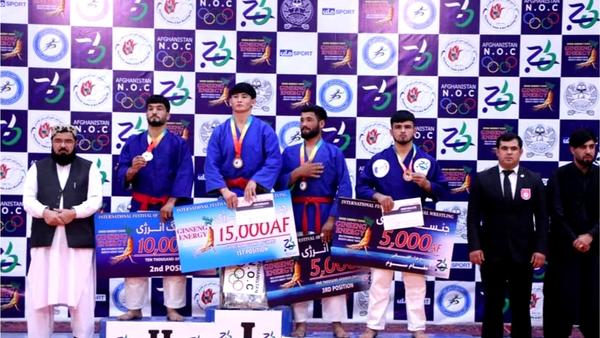
International Traditional Wrestling Festival Concludes in Afghanistan
An international traditional wrestling festival concluded in Afghanistan after three days of competition, featuring 160 athletes from seven countries across Kurash, Rustam, and belt wrestling disciplines. Sports officials praised the event as a significant achievement for the country's athletic sector.
 Unverified
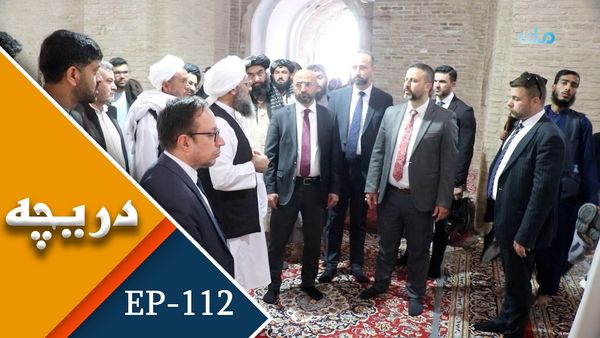
RTA Dari Program Metadata Lists Episode 112 of Darecha
The provided source contains only broadcast metadata for Episode 112 of the RTA Dari program "Darecha," with no accompanying article text or verifiable news content available for review.
 Reliable
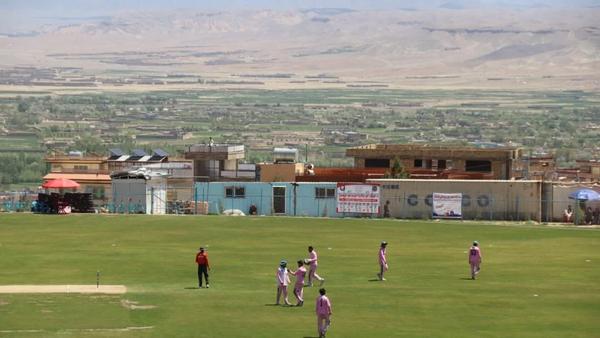
Three-Day 50-Over Cricket Series Between Logar and Paktia Begins in Pul-e-Alam
A three-day 50-over cricket series between the Logar and Paktia provincial teams has begun at the Pul-e-Alam cricket ground. Officials from both provinces highlighted the tournament as a key initiative for fostering inter-provincial sports cooperation and developing domestic cricket.
 Reliable
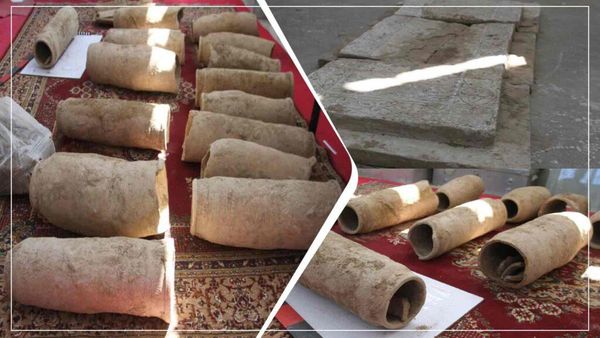
Flash Floods Unearth Historical Artifacts in Ghazni Province
Flash floods in Ghazni province have uncovered a collection of historical artifacts, including ceramic water pipes and a fragmented stone inscription, which provincial officials have secured and transferred to a local museum.