
Small Wars Journal: Drones Become New Weapon for Taliban Against Pakistan
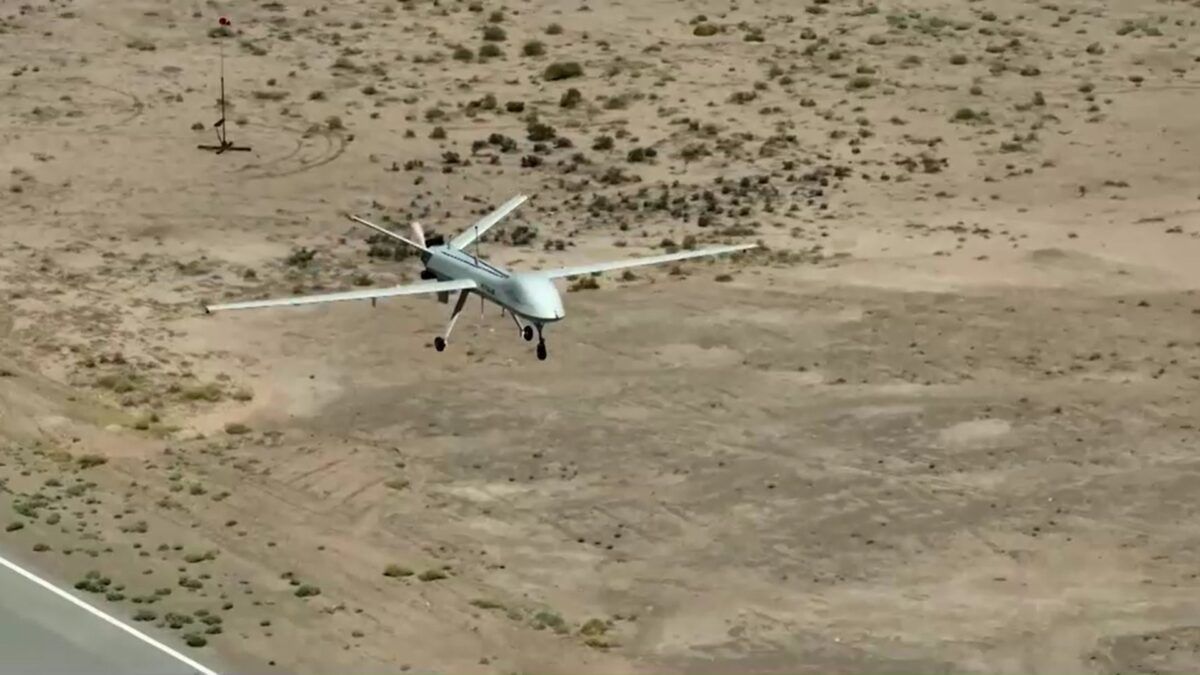
An article published in Small Wars Journal states that small drones, known as quadcopters, have played a decisive role in guerrilla warfare and Taliban operations against Pakistan, rendering Pakistani security forces vulnerable.
The piece reports that groups labeled as terrorist organizations, including Tehrik-i-Taliban Pakistan (TTP), are employing this technology primarily for psychological operations. In recent days, multiple drone attacks have struck government facilities in Khyber Pakhtunkhwa province, which were established to secure the region against cross-border terrorism from Afghanistan.
According to the authors, such attacks in Khyber Pakhtunkhwa are not novel, but evolving tactics indicate a more lethal underlying infrastructure. This includes the adaptation of commercially available small drones for insurgent purposes. These quadcopters can fly hundreds of meters, bypass ground obstacles and conduct remote strikes, allowing operators to remain secure.
The journal's article argues that drones introduce a newer, more sophisticated threat, necessitating a serious strategic reassessment in counter-terrorism efforts. Militant groups in Pakistan, encompassing jihadists and ethnic-nationalist separatists in Balochistan, remain in early stages of drone utilization. However, the ease of access and open arms market in Afghanistan facilitate their weapon procurement.
The authors note that these groups, equipped with U.S.-origin weapons such as rifles, night-vision devices and electronic gear, are battle-hardened and supported by the Taliban in Afghanistan. They predict these militants could conduct shocking strikes on targets at will in coming months.
The article poses whether Pakistan can respond effectively, stating that Islamabad has moved beyond initial phases and requires a multi-pronged strategy. It describes the challenge as a race against time for Pakistan's government, with drone-using armed groups representing a new form of asymmetric unconventional warfare. If not halted in its nascent stage, containment will prove difficult. The coming year is deemed critical for countering networked terrorism reliant on psychological operations and drone strikes, warning that current tactics against northwest Pakistan attacks may not suffice otherwise.
Know more about this story?
If you have additional information or believe something is inaccurate, let us know. Your tips help us stay accurate.
Sources (1)
More in Security
420 Policemen Graduate from Parwan Police Training Center
Pakistani jets conduct airstrikes in Kandahar; local sources claim Taliban leader's special forces targeted
Pakistani Aircraft Bomb Command Center of Mullah Hibatullah's Omari Unit Near Kandahar
Pakistani airstrikes target command of Taliban leader Hibatullah's special forces in Kandahar
 Reliable
420 Policemen Graduate from Parwan Police Training Center
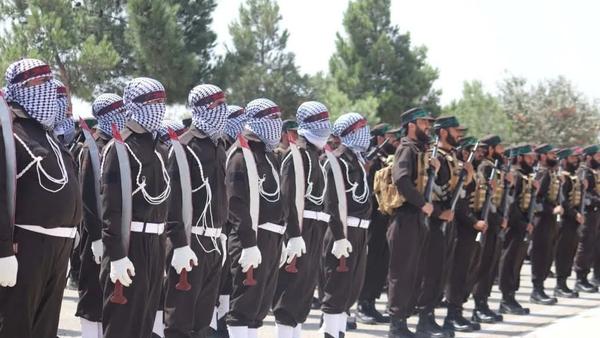
420 policemen from Parwan, Kapisa and Panjshir graduated from the Parwan Police Training Center after two months of training, with the commander emphasizing Sharia-based instruction. The center has trained around 9,000 policemen overall.
 Developing
Pakistani jets conduct airstrikes in Kandahar; local sources claim Taliban leader's special forces targeted
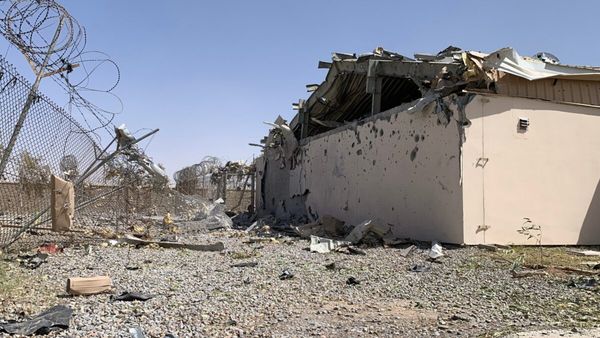
Pakistani fighter jets struck Kandahar on March 14-15, 2026, with local sources claiming the targets included a special forces unit of Taliban leader Hibatullah Akhundzada, while spokesman Zabihullah Mujahid said civilian sites were hit with no casualties. The attacks are part of over two weeks of ongoing Pakistani operations and Taliban retaliation along the border.
 Developing
Pakistani Aircraft Bomb Command Center of Mullah Hibatullah's Omari Unit Near Kandahar
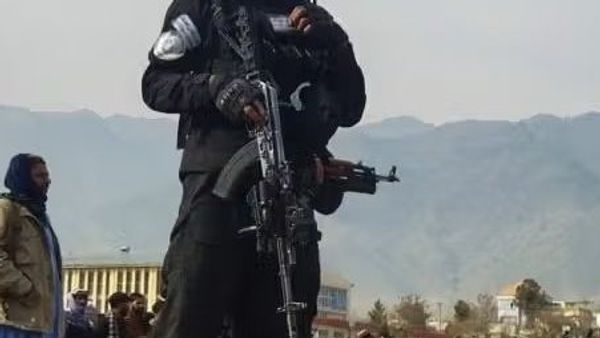
Pakistani aircraft struck the command center of Mullah Hibatullah's 7,000-member Omari Unit near Kandahar's 13th district on Saturday night (23 Hoot), sources said, with explosions heard across the city and a follow-up attack in the 11th district. The unit, commanded by Mullah Abdul Ahad and better equipped than other Taliban forces, secures the Taliban leader and conducts anti-ISIS operations.
 Developing
Pakistani airstrikes target command of Taliban leader Hibatullah's special forces in Kandahar
Pakistani aircraft struck the headquarters of Taliban leader Mullah Hibatullah's special "Umri Unit" in Kandahar and another Taliban site, prompting a force recall order, local residents and Taliban sources said. The Taliban's Supreme Court announced the flogging of 21 people in Kabul for drug and alcohol offenses.