
Six Months After Urgent Decree, Silence Surrounds Kunar Dam Project
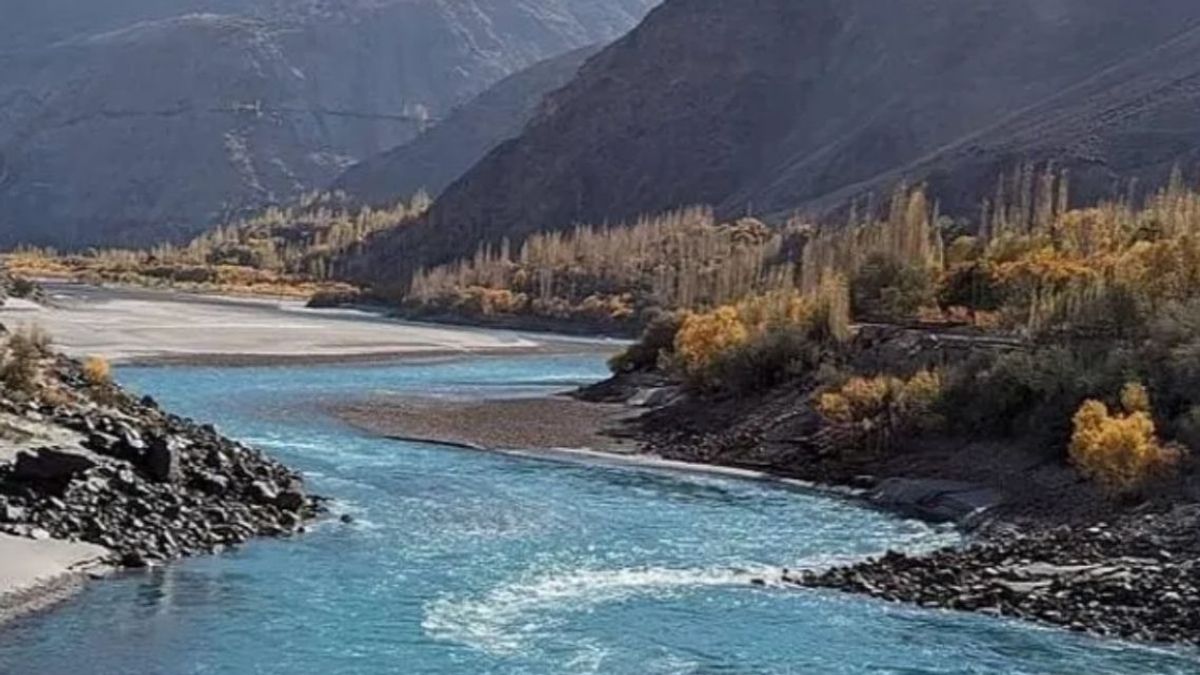
Six months ago, Hasht-e Subh warned that constructing the Kunar Dam without agreements with Pakistan and comprehensive technical, environmental, and political assessments could lead to new crises for Afghanistan rather than self-sufficiency.
On April 2025, India symbolically suspended the Indus Waters Treaty, increasing political pressure on Pakistan. In October 2025, Acting Foreign Minister Amir Khan Muttaqi visited India, where discussions included Afghan hydropower projects. On October 24, 2025, Mullah Hibatullah Akhundzada issued an urgent decree ordering the construction of the Kunar Dam, emphasizing contracts with domestic companies to avoid delays. Days later, India announced readiness to assist with the project.
However, the only advancement was a limited water diversion to the Darunta Dam in December 2025. As of February 2026, no official reports indicate progress on the main Kunar Dam.
Pakistan claims India is pressuring it from both east via the Indus River and west through support for Afghan water projects like the Kunar Dam. Most of the Kunar River's water originates in Pakistan's Chitral region. Restricting flow from Pakistan could render the dam ineffective, lower Kabul River levels, threaten the Naghlu, Mahipar, and Darunta power plants, and impact Jalalabad's agriculture.
Farmers in Chitral and Khyber Pakhtunkhwa, across the Durand Line, rely on this water and have close ethnic ties to the Tehrik-i-Taliban Pakistan. Afghan Taliban, presenting themselves as defenders of Pashtunwali, cannot ignore discontent among these communities.
Domestic companies did not proceed despite the decree's emphasis on local contracts, recognizing risks without technical, financial, and legal guarantees. Investors lack confidence in the Taliban's governance continuity for a multi-billion-dollar project requiring political stability and legal security.
The 845-megawatt Azizi Group power project exemplifies the gap between promises and reality, as Afghanistan's grid is outdated and lacks capacity for such additions without upgrades and new transmission lines.
More in Economy
Takhar Merchants Say Taxes Have Tripled

Self-Supporting Women in Herat Face Economic Crisis Amid Poverty and Unemployment

Fuel prices down, gold up in Kabul

Afghan Merchants Sign Five Trade MoUs Worth Over $1.5 Million with Russia's Dagestan
 Reliable
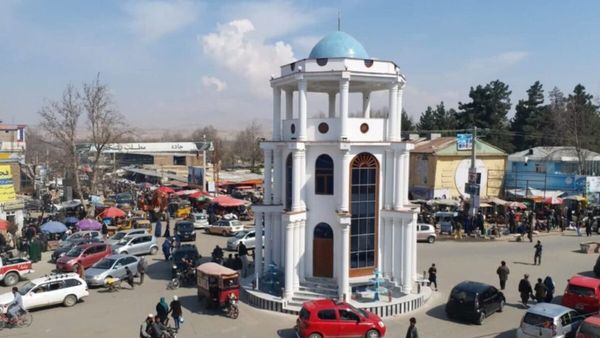
Takhar Merchants Say Taxes Have Tripled
Merchants in Takhar province's Taluqan city report taxes have tripled amid economic recession, forcing many small shops to close due to unaffordability and lack of services. Residents compare the situation unfavorably to the previous government and await an official Taliban response.
 Developing
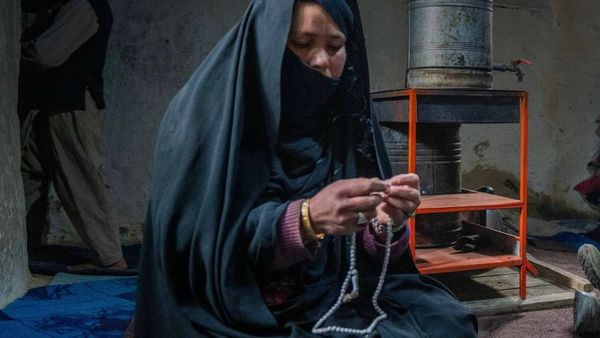
Self-Supporting Women in Herat Face Economic Crisis Amid Poverty and Unemployment
Self-supporting women in Herat are grappling with severe poverty and unemployment, struggling to afford basic needs amid rising prices and the approach of Ramadan, local sources say. UN data highlights broader food insecurity affecting most Afghan families, especially those headed by women.
 Reliable
Fuel prices down, gold up in Kabul
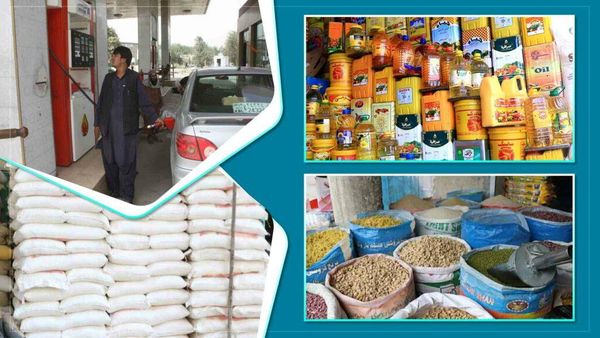
Fuel, diesel, liquefied gas, and cooking oil prices decreased in Kabul markets last week due to global trends and increased imports, while gold prices rose and food staples remained stable.
 Reliable
Afghan Merchants Sign Five Trade MoUs Worth Over $1.5 Million with Russia's Dagestan
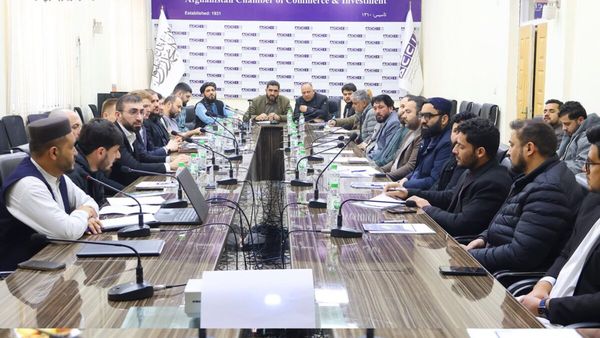
Afghan merchants signed five trade memorandums worth over $1.5 million with Russia's Dagestan in transport and foodstuffs sectors, as the Taliban seek alternatives to closed Pakistan routes amid rising prices.