
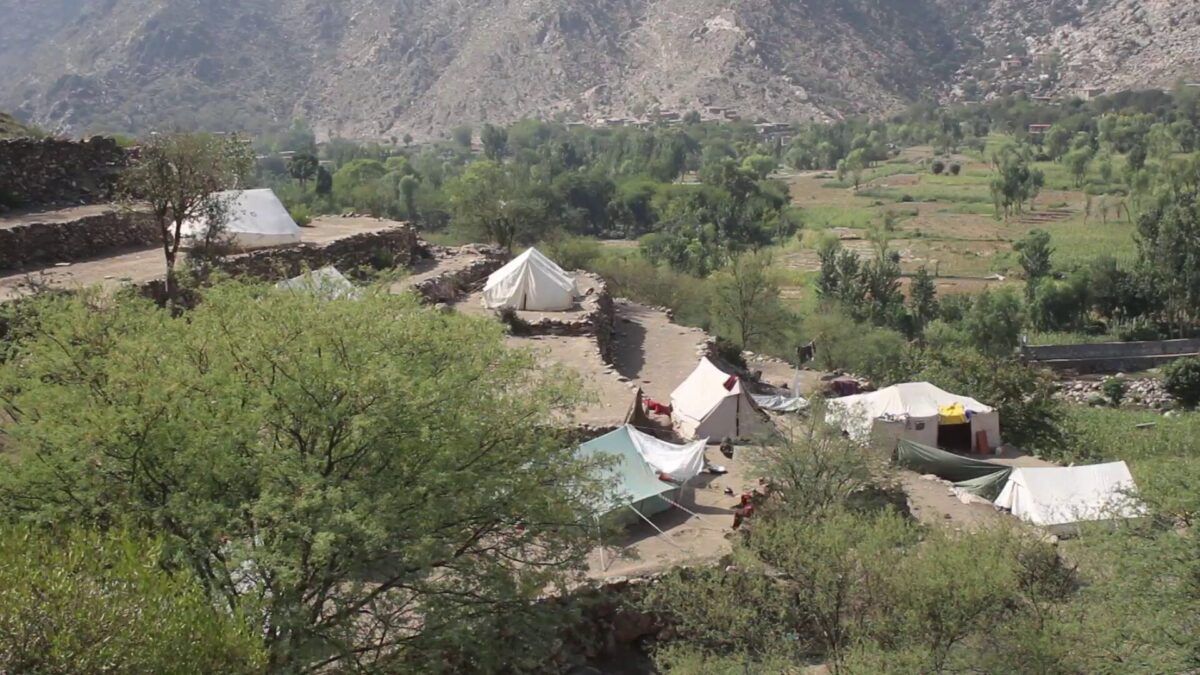
Save the Children: 25,000 Children Still Living in Tents Six Months After Kunar Earthquake
Save the Children has reported that six months after a deadly earthquake in Kunar province, 25,000 children are still living in tents day and night.
The organization stated that in the affected areas, houses and schools remain unrebuilt with no specified timeline for reconstruction. The earthquake struck on August 31 in eastern Afghanistan, causing the highest casualties in Kunar, where more than 2,000 people were killed and over 8,000 homes destroyed, according to reports.
Families and children were forced into tents, some of which have been damaged by recent heavy snowfall. Save the Children noted that affected families use traditional wood or coal stoves to heat tents, increasing fire risks. Reconstruction of homes in mountainous areas has not begun, and destruction in some villages is so extensive that they may never be rebuilt.
The report indicated that more than half of about 1,300 examined classrooms were fully or partially destroyed. Prior to the earthquake, nearly 50,000 primary school-age children in Kunar were out of school. Construction of damaged schools has not started, and around 17,000 children are now studying in temporary educational spaces.
Over 6,000 families in Kunar camps remain dependent on humanitarian aid after losing homes and income sources. Previously, these families earned between $75 and $120 monthly from farming, herding and small home-based work, but now rely on cash assistance.
Bujar Hoxha, head of Save the Children in Afghanistan, said: "Six months after the earthquake that destroyed lives and communities, children are still living and learning in tents. Rebuilding homes and schools is absolutely essential. Families in Kunar are worried they will be forgotten. They depend on humanitarian organizations and this situation will likely continue in the coming months."
Hoxha added that while needs across Afghanistan are rising and aid funding is decreasing, earthquake-affected communities must not be overlooked, requiring sustained financing. The report highlighted ongoing high needs for financial aid in eastern Afghanistan amid limited resources. In 2025, over 2.9 million people returned from Iran and Pakistan, some settling in quake-hit areas. UN figures show 4.2 million people in Afghanistan need shelter assistance this year.
Save the Children, active in Afghanistan since 1976, was among the first international organizations to provide aid in Kunar after the quake.
More in Society

Bayat Foundation Distributes Ramadan Food Aid in Ghazni Province
Taliban court whips man for theft in Paktia province
Norwegian Refugee Council warns aid cuts threaten re-displacement of Kunar earthquake victims
Bayat Foundation expands Ramadan aid to families in Ghazni province
 Reliable
Bayat Foundation Distributes Ramadan Food Aid in Ghazni Province
The Bayat Foundation provided Ramadan food packages to vulnerable families in Ghazni province, continuing its annual humanitarian program after similar distributions in Farah. Beneficiaries included migrants and those facing poverty, with the effort part of the organization's long-term charitable initiatives.
 Reliable
Taliban court whips man for theft in Paktia province
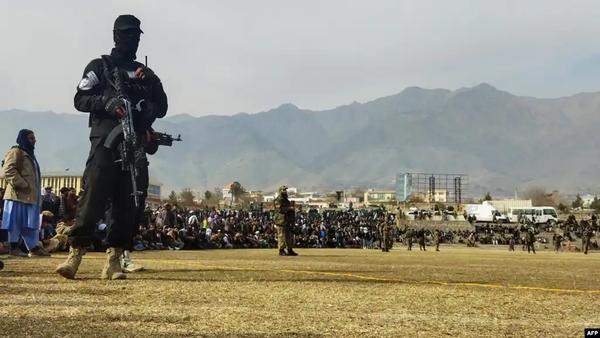
Taliban Supreme Court confirmed the whipping of a man sentenced to 25 lashes for theft in Paktia province's Zermet district, amid ongoing criticism of public corporal punishments.
 Reliable
Norwegian Refugee Council warns aid cuts threaten re-displacement of Kunar earthquake victims
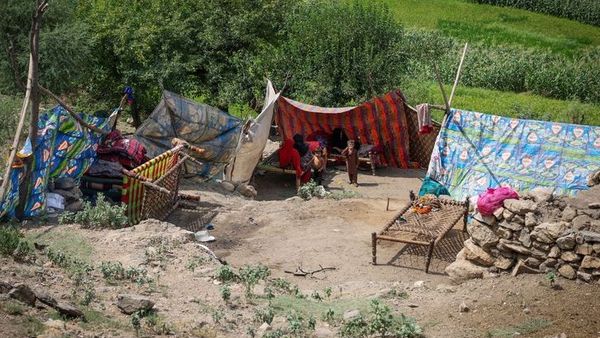
The Norwegian Refugee Council warns that funding cuts risk halting aid for Kunar earthquake victims, potentially re-displacing thousands still living in tents six months after the disaster. Save the Children highlights damaged shelters, fire risks and educational disruptions affecting 50,000 children.
Bayat Foundation expands Ramadan aid to families in Ghazni province
The Bayat Foundation provided food packages to vulnerable families in Ghazni province amid its annual Ramadan aid program, after a similar effort in Farah. The initiative targets poor households, including migrants, and will extend to other areas including Kabul.