

Russia Reports Significant Increase in Goods Transit via Afghanistan Route Due to Iran Restrictions
Russia is reporting a significant increase in goods transit via the North-South international transport corridor. This includes greater utilization of routes that pass through Afghanistan and Central Asia. The rise comes amid heightened restrictions and disruptions on transit paths in Iran, a senior Russian official has said.
Deputy Prime Minister Marat Khusnullin has highlighted how alternative routes are now playing a larger role in Russian goods transfer. These alternative paths go through Central Asian countries as well as Afghanistan, Pakistan, and include road routes in the Gulf states.
Khusnullin stated that the volume of goods transferred via the land-based North-South corridor has significantly increased. He added that this increase is continuing even under the difficult conditions created by the restrictions on Iran. The restrictions have particularly impacted railway transportation and routes across the Caspian Sea.
The Russian deputy prime minister also pointed out that the development of the North-South highway corridor is moving forward as originally planned. This corridor is viewed as an important alternative that helps avoid the problems affecting other transit options.
The initial cause of the disruptions to regional trade was attacks by the United States and Israel on Iran that took place in the month of Hoot during the previous year. Those attacks resulted in severe disruptions to export and import routes throughout the region.
Know more about this story?
If you have additional information or believe something is inaccurate, let us know. Your tips help us stay accurate.
Sources (1)
More in Economy
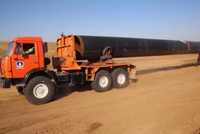
Increase in Herat Province's Gas Share in the TAPI Project
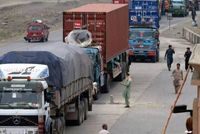
UN Report Shows Afghanistan's Trade Deficit Rose to 9.56 Billion Dollars in 2024
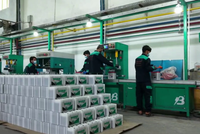
Afghanistan Moving Toward Self-Sufficiency in Bottle Production
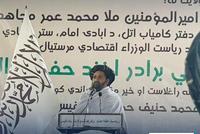
Construction Begins on Third Section of Qaisar-Laman Ring Road in Badghis Province
 Reliable
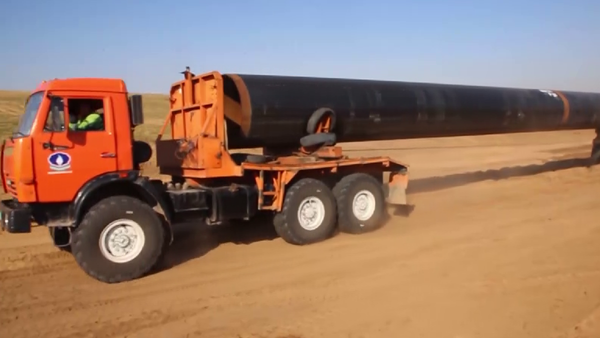
Increase in Herat Province's Gas Share in the TAPI Project
The Islamic Emirate of Afghanistan has announced that Herat province's gas share in the TAPI project has increased from 500 million to 4.3 billion cubic meters. The change is expected to reduce energy costs by 15-25 percent, generate savings and jobs, with the first phase in the province due to finish by the end of 2026.
 Reliable
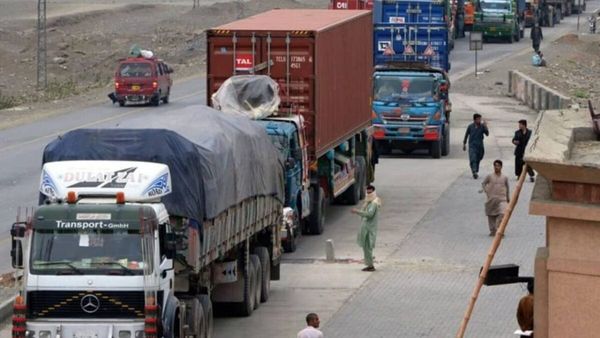
UN Report Shows Afghanistan's Trade Deficit Rose to 9.56 Billion Dollars in 2024
A UN report indicates Afghanistan's trade deficit grew from 6.72 billion dollars in 2023 to 9.56 billion dollars in 2024, citing declining aid and other economic challenges as risks for increased poverty and instability.
 Reliable
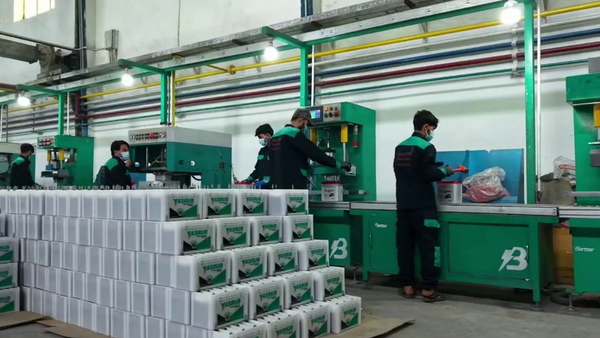
Afghanistan Moving Toward Self-Sufficiency in Bottle Production
Afghanistan is advancing toward self-sufficiency in bottle production, with officials predicting full self-sufficiency by the end of the year, an increase in the number of factories to 20 and expanded exports to Gulf and European countries under the Islamic Emirate.
 Reliable
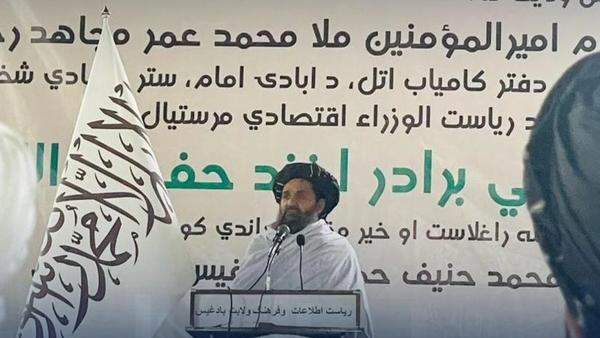
Construction Begins on Third Section of Qaisar-Laman Ring Road in Badghis Province
Deputy Prime Minister Mullah Abdul Ghani Baradar Akhund inaugurated the start of construction on the third 50-kilometer section of the Qaisar-Laman ring road in Badghis province, a project costing four billion six hundred fifty-two million Afghanis to be completed in three years by a private company. Local religious scholars and tribal elders attended the ceremony and raised demands for additional infrastructure and poverty reduction measures.