

Regional Tensions in Middle East Disrupt Afghan Airlines' Flights, Surge Fuel Prices
Regional tensions in the Middle East, including Iran's attacks on several Gulf countries, have disrupted air travel and affected Afghan airlines.
Officials at Kam Air, a private Afghan carrier, said they have canceled multiple flights to Dubai, Qatar and Kuwait due to the situation. Aircraft fuel is now in short supply, with prices per ton rising from $1,100-1,300 to $2,000-2,400.
Suleiman Omar, Kam Air's commercial manager, said: "Due to the current problems that have arisen in the region, Kam Air airline was forced to cancel many flights to countries such as Kuwait, Qatar, and some to Dubai, and passengers also faced many problems because of this."
The fuel cost increase has added economic pressure on airlines, raising operational expenses for domestic and regional flights. Kam Air officials warned that ticket prices could rise if the situation persists and urged the government to provide subsidies and exempt fuel and ticket taxes.
"It is suggested that the Afghan government, like other countries in times of crisis, think about 'subsidies', and Afghanistan can also exempt fuel and ticket taxes," Omar said.
Economic experts warned of broader impacts on Afghanistan's aviation sector. Qutbuddin Yaqubi said: "The aviation sector forms an important revenue and economic part of Afghanistan, and unfortunately, due to the situation that has arisen in the region, especially in the Middle East, this sector has been affected to some extent, and if this situation continues, this sector may suffer more losses."
Sair Qureshi added: "This situation raises the costs of airlines, and on the other hand, the reduction in the number of flights and disruptions cause the supply of services to decrease, the result of which impacts the increase in ticket prices and limits people's access to travel."
Gulf countries have imposed flight restrictions and route changes amid heightened security, while rising global oil prices have driven up aircraft fuel costs.
Know more about this story?
If you have additional information or believe something is inaccurate, let us know. Your tips help us stay accurate.
Sources (1)
More in Economy

Qoshtepa Canal Second Section Reaches 98% Excavation Progress

Afghanistan Ranks Third in South Korean Sweetened Carbonated Soft Drink Imports in 2025
Pakistani Fruits Continue Spoiling After Six-Month Trade Halt with Islamic Emirate of Afghanistan

Afghanistan's Saffron Exports Reach $54 Million Last Year
 Reliable
Qoshtepa Canal Second Section Reaches 98% Excavation Progress
The second section of the Qoshtepa Water Canal has reached 98% progress in excavation and 90.5% in headworks, with officials expecting soon operationalization following a visit by the Emirati National Development Company's head. Economic experts highlight its potential to boost agriculture, create jobs and improve water access in northern Afghanistan.
 Reliable
Afghanistan Ranks Third in South Korean Sweetened Carbonated Soft Drink Imports in 2025
Afghanistan ranked third in imports of sweetened carbonated soft drinks from South Korea in 2025 with $13.4 million, behind Cambodia and Russia, according to South Korean customs data published by TASS. The country placed second in the first two months of 2026 with $3.1 million in imports.
 Reliable
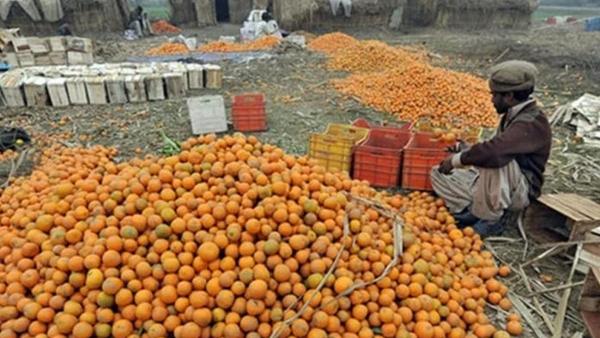
Pakistani Fruits Continue Spoiling After Six-Month Trade Halt with Islamic Emirate of Afghanistan
Pakistani fruits like kinnow are spoiling in Mandi Peshawar amid a six-month trade suspension with the Islamic Emirate of Afghanistan, causing heavy losses for traders. The Islamic Emirate will resume trade only with a written pledge from Pakistan against politicizing commerce.
 Reliable
Afghanistan's Saffron Exports Reach $54 Million Last Year
Afghanistan's Ministry of Industry and Commerce reported saffron exports reached $54 million last year, with 56 tons shipped mainly to India, Saudi Arabia and the United States. Officials emphasized expanding cultivation beyond Herat to enhance production and farmers' incomes.