
Palestinian Expert: Israeli Authorities Impose Unprecedented Restrictions on Muslim Access to Al-Aqsa Mosque
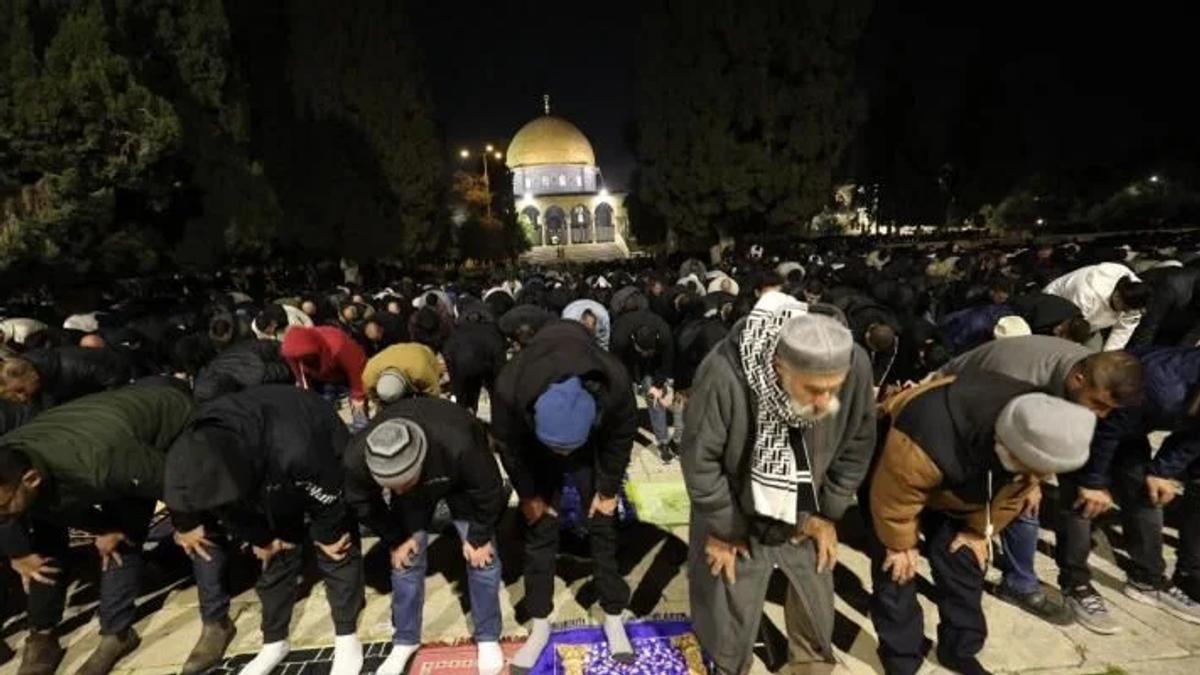
Abdullah Ma'arouf, a Palestinian expert on Jerusalem affairs, stated that Israeli occupation authorities have recently imposed unprecedented restrictions on Muslims' access to Al-Aqsa Mosque.
According to reports from Iran's IRNA news agency and Shehab News Agency, Ma'arouf said the measures aim to minimize the number of worshippers, facilitate a plan to alter the status quo at the mosque, eliminate Islamic management, and limit anticipated reactions.
He explained that Israel's restrictions on worshippers, including expanding bans and reducing the number of permitted entrants from the local population, are part of efforts to change the administrative landscape inside Al-Aqsa. The primary goal, he emphasized, is to establish Israel as the governing authority and dominant force in the mosque's management, positioning occupation officials as the sole administrative reference.
Ma'arouf noted that current developments echo attempts by Israeli authorities after 1967 to place Al-Aqsa under the supervision of Israel's Ministry of Religious Affairs. That plan failed due to strong resistance from Jerusalem residents, particularly religious scholars and authorities who refused to pray under occupation management and established the Supreme Islamic Council as a permanent Islamic reference for Muslims in Jerusalem. This forced the occupiers to retreat and return administration to the Islamic Waqf.
He warned that continuing these restrictions without effective practical action could open the door to fundamental administrative changes affecting the mosque's identity and management. Ma'arouf cautioned that silence or mere condemnation statements would give occupiers more space to impose new realities.
The expert called for intensified official and popular actions to counter Israel's moves at Al-Aqsa, stressing that occupiers are unaffected by verbal reactions without field actions, real political, or legal pressure. Preserving the status quo requires unified positions and coordinated roles among religious authorities, political leaders, and Jerusalem society, as any administrative change could directly impact the management of one of Islam's holiest sites.
More in International

Afghanistan to face Sri Lanka in white-ball cricket series in UAE
UN Human Rights Council Opens 61st Session with Afghanistan on Agenda

India Urges Citizens to Leave Iran Amid Ongoing Developments
Hamas Nears Election of New Political Bureau Leader Between Khaled Meshaal and Khalil al-Hayya
 Reliable
Afghanistan to face Sri Lanka in white-ball cricket series in UAE
Afghanistan's cricket team will play three T20s and three ODIs against Sri Lanka in the UAE starting March 13, marking their first bilateral series as host since 2024. Officials from both boards expressed enthusiasm for the expanded cooperation.
 Reliable
UN Human Rights Council Opens 61st Session with Afghanistan on Agenda
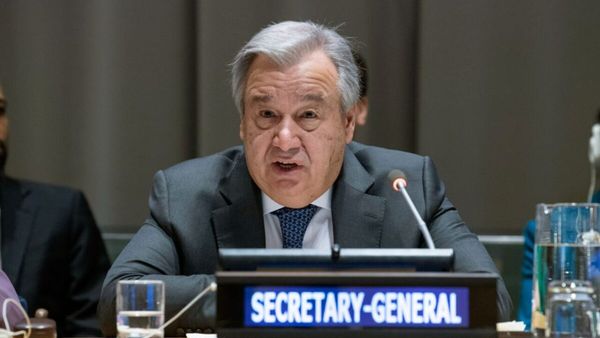
The UN Human Rights Council launched its 61st session in Geneva, spotlighting Afghanistan's human rights crisis, particularly restrictions on women and girls, as highlighted by UN General Assembly President Annalena Baerbock. Secretary-General Guterres addressed global rights threats amid upcoming dedicated Afghanistan discussions.
 Reliable
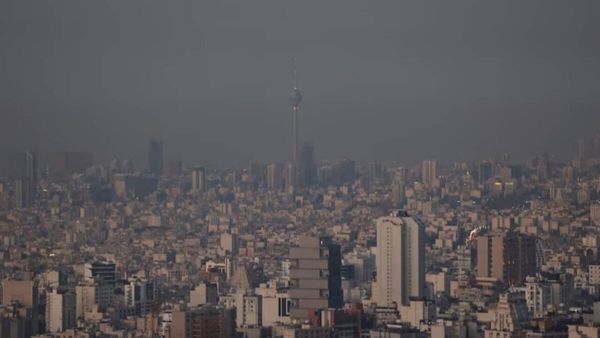
India Urges Citizens to Leave Iran Amid Ongoing Developments
India's embassy in Tehran urged its citizens to leave Iran due to ongoing developments, reiterating prior warnings amid reported US-Iran tensions. The advisory targets students, pilgrims, traders and tourists, advising caution and document readiness.
 Unconfirmed
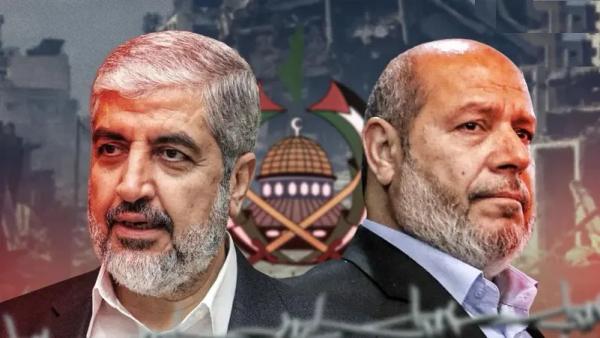
Hamas Nears Election of New Political Bureau Leader Between Khaled Meshaal and Khalil al-Hayya
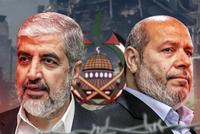
Hamas has reached the final stage of electing a new political bureau leader, with informed sources saying the choice is between Khaled Meshaal and Khalil al-Hayya for a one-year term. This follows the killings of Ismail Haniyeh and Yahya Sinwar, after which a temporary leadership council was established.