
Pakistan Airstrikes Target Alleged TTP Bases in Afghanistan Amid Ceasefire Doubts
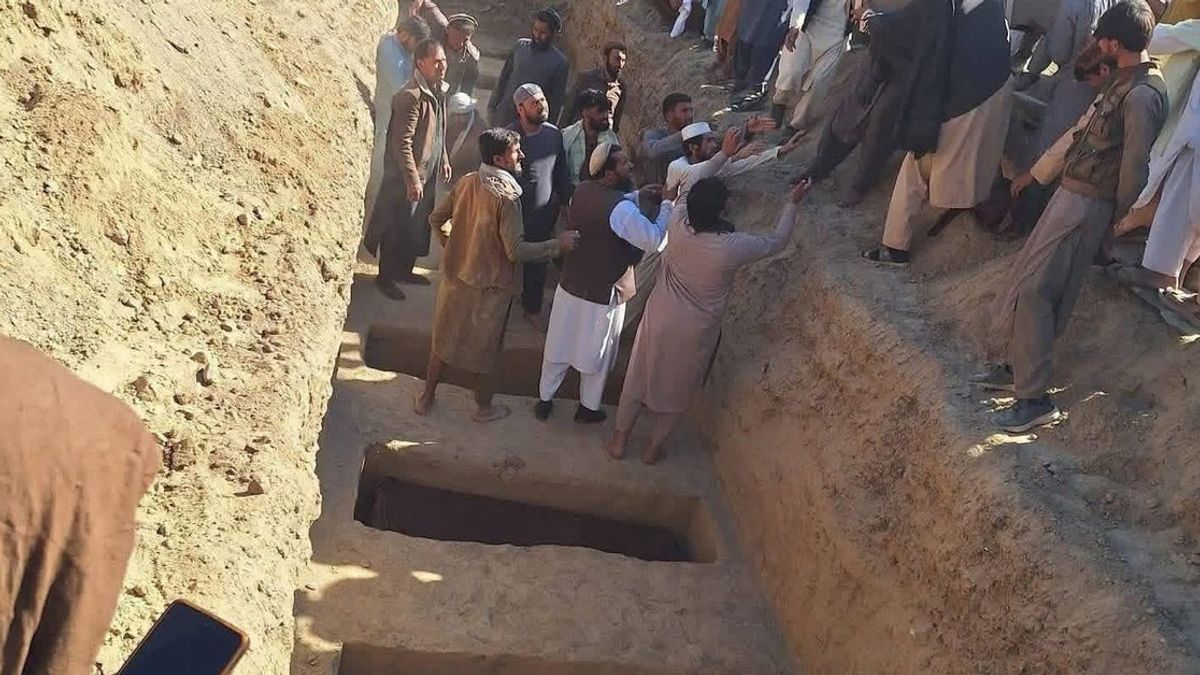
Pakistan conducted airstrikes on sections of Afghanistan during the first days of Ramadan, targeting areas in Nangarhar and Paktika provinces.
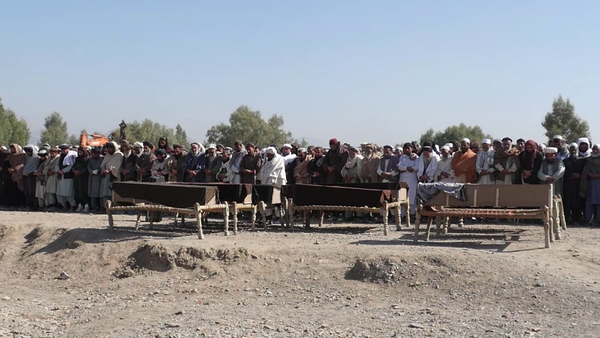
Islamabad stated the strikes hit seven bases linked to Tehrik-i-Taliban Pakistan (TTP) based on intelligence information. Taliban officials reported dozens of civilians killed and wounded, including women and children, with damage to a religious school and several residential homes.
The attacks highlight underlying tensions in Taliban-Pakistan relations following months of relative calm. They raise questions about a ceasefire agreement reached in Doha and later Istanbul, brokered by Qatar and Turkey, after border clashes in the Afghan months of Asad and Miizan.
Under that deal, both sides agreed to an immediate ceasefire and mechanisms to reduce border tensions. However, Pakistan sought a written commitment from the Taliban to curb TTP activities, which the Taliban rejected, denying the group's presence in Afghanistan. Subsequent meetings in Istanbul ended without results.
Following the ceasefire, Pakistan faced deadly attacks in Balochistan and Khyber Pakhtunkhwa provinces, some claimed by TTP, killing dozens of soldiers and civilians. Pakistani officials repeatedly warned of direct action in Afghanistan if cross-border attacks continued, with the defense minister stating strikes would occur before Ramadan.
Pakistan described the recent strikes as retaliatory following a wave of suicide attacks on its security forces. Islamabad aims to pressure the Taliban to act against Pakistani militants in Afghanistan and deter networks planning attacks inside Pakistan.
The Taliban condemned the strikes as a violation of Afghanistan's sovereignty and territorial integrity, attributing Pakistan's internal insecurity to its own intelligence and security shortcomings. Taliban spokespeople said they would respond at an appropriate time.
Historical and ideological ties between the Afghan Taliban and TTP complicate decisive action against the group, potentially causing internal divisions.
More in Security
Pakistan conducts airstrikes in Afghanistan's Nangarhar and Paktika provinces

Khalilzad Attributes Pakistan's Airstrikes on Afghanistan to Years of Misguided Policies
Pakistan airstrikes target eastern Afghanistan, prompting Taliban condemnation and diplomatic protest

Taliban deputy spokesman claims Pakistani airstrikes in Nangarhar dismembered 13 civilians, mostly women and children
 Reliable
Pakistan conducts airstrikes in Afghanistan's Nangarhar and Paktika provinces
Pakistan conducted airstrikes in Afghanistan's Nangarhar and Paktika provinces targeting TTP and IS-KP hideouts, prompting Taliban reports of at least 17-20 civilian deaths and the summoning of Pakistan's ambassador. India condemned the strikes while tensions rise over cross-border militancy.
 Unconfirmed
Khalilzad Attributes Pakistan's Airstrikes on Afghanistan to Years of Misguided Policies
Former U.S. envoy Zalmay Khalilzad blamed Pakistan's internal weaknesses for recent airstrikes on Afghan provinces, amid conflicting claims of civilian casualties by the Taliban and militant targets by Pakistan. Afghan officials and former leaders condemned the attacks and called for international action.
 Reliable
Pakistan airstrikes target eastern Afghanistan, prompting Taliban condemnation and diplomatic protest
Pakistani airstrikes hit eastern Afghan provinces, killing at least 17 civilians per local reports and prompting Taliban vows of response, ambassador summons and widespread condemnations. Pakistan said it targeted TTP and ISIS-K sites in retaliation for attacks inside its territory.
 Reliable
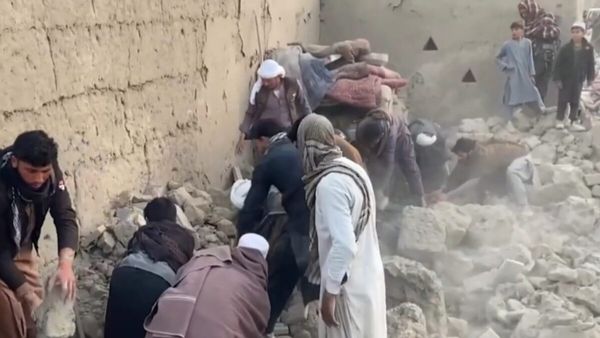
Taliban deputy spokesman claims Pakistani airstrikes in Nangarhar dismembered 13 civilians, mostly women and children
Taliban deputy spokesman Hamdullah Fitrat claimed Pakistani airstrikes in Nangarhar province killed 13 civilians, mostly women and children, with their bodies dismembered. Pakistan described the strikes as targeting TTP and Daesh hideouts.