
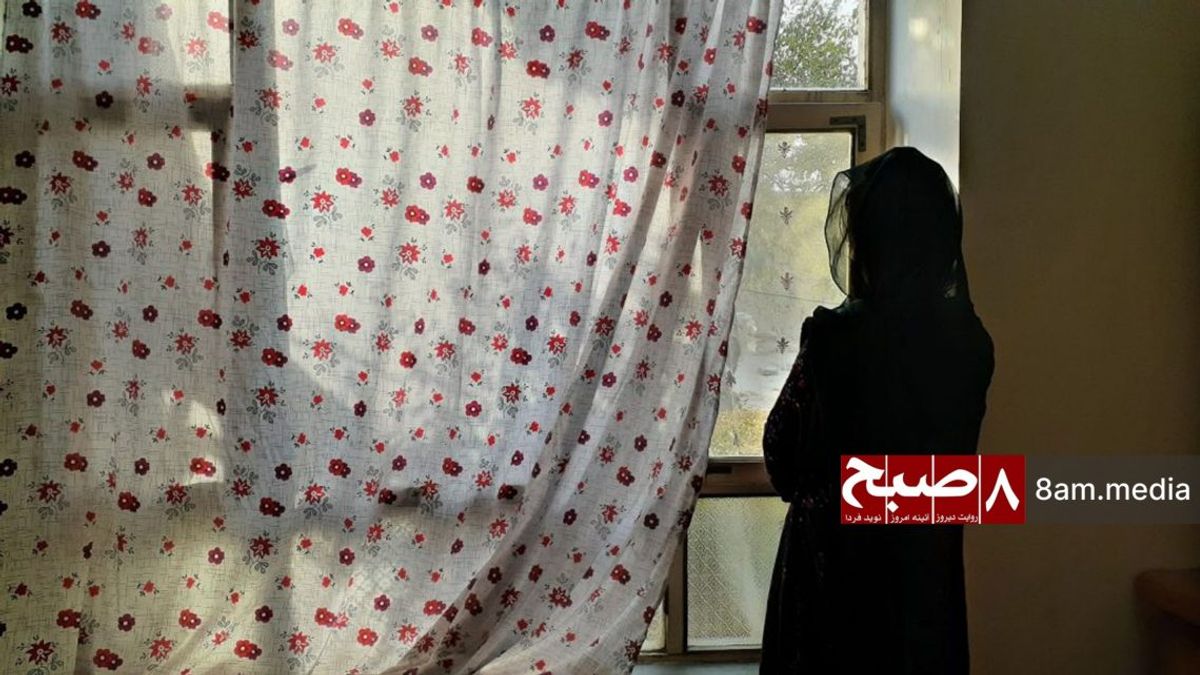
Our Daily Nightmares: Personal Essay on Everyday Life in Afghanistan
Hasht-e Subh published a first-person essay titled "Our Daily Nightmares," recounting the author's experience of waking to a heavy silence at 10 a.m. Despite needing to attend a job interview, the author dresses in all-black clothing described as an Islamic hijab, feeling like mourning attire. Stepping outside, the streets appear barren: trees are withered despite the season, irrigation ditches are dry, and gardens lack flowers, evoking a sense of lifelessness and colorlessness.
Attempting to take a taxi, the author is refused service for not wearing a prayer shawl (chador namaz). Walking instead, the author encounters an elderly carpenter weeping over his broken winter chairs, which he calls "haram." The narrative reflects on concepts of mahram relationships within families, questioning prohibitions on siblings or spouses sharing seats.
The account escalates as a man in white clothing, with a harsh face, approaches shouting insults and wielding a whip. He strikes the author repeatedly, accusing her of corrupting the city due to improper hijab, causing intense pain and disorientation. While fallen, the author witnesses a robber drawing a gun on a young man, shooting him to empty his pockets, then fleeing in a vehicle.
The essay contrasts the enforcement of dress codes with unchecked crime, sarcastically noting societal priorities: women's attire threatens faith and order, while theft and murder are downplayed amid widespread unemployment.
Know more about this story?
If you have additional information or believe something is inaccurate, let us know. Your tips help us stay accurate.
More in Society
Former Minister Abdul Bari Jahani Calls Tarawih Prayer a 'Bid'ah'

Magnitude 5.8 earthquake strikes northeastern Afghanistan

Afghanistan Football Federation to Introduce New National Team Coach in Kabul
Taliban leader issues new criminal code permitting husbands to beat wives without visible injuries
 Reliable
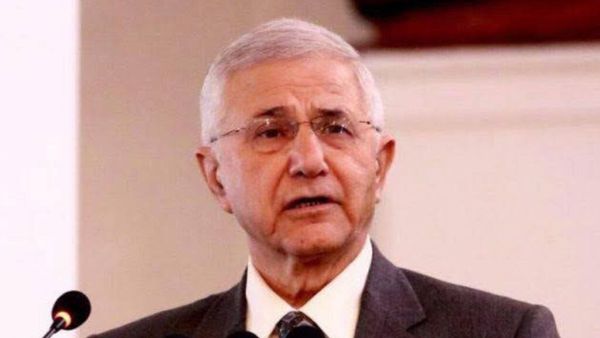
Former Minister Abdul Bari Jahani Calls Tarawih Prayer a 'Bid'ah'
Abdul Bari Jahani, former Afghan minister and national anthem poet, claimed the Tarawih prayer is a 'bid'ah' not found in the Quran or Hadiths and attributed to Umar bin Khattab, prompting diverse reactions on social media.
 Reliable
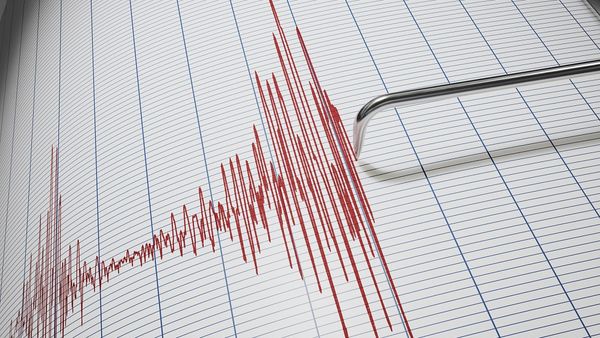
Magnitude 5.8 earthquake strikes northeastern Afghanistan
A 5.8-magnitude earthquake hit northeastern Afghanistan on Thursday evening at a depth of 90.7 kilometers, according to the U.S. Geological Survey, with no immediate reports of casualties or damage.
 Reliable
Afghanistan Football Federation to Introduce New National Team Coach in Kabul
Afghanistan Football Federation will introduce Brazilian coach Jose Antonio Nogueria as new national team head in Kabul tomorrow, amid calls for stability in Afghan football.
 Unverified
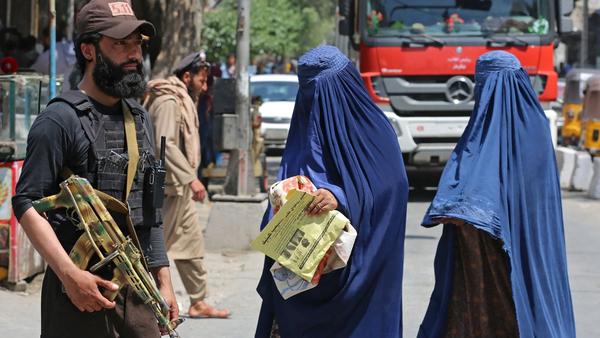
Taliban leader issues new criminal code permitting husbands to beat wives without visible injuries
A new Taliban criminal code reportedly allows husbands to beat wives without causing visible injuries or broken bones, with strict conditions for women to file complaints. Penalties for women fleeing abuse are also outlined, up to three months in prison.