
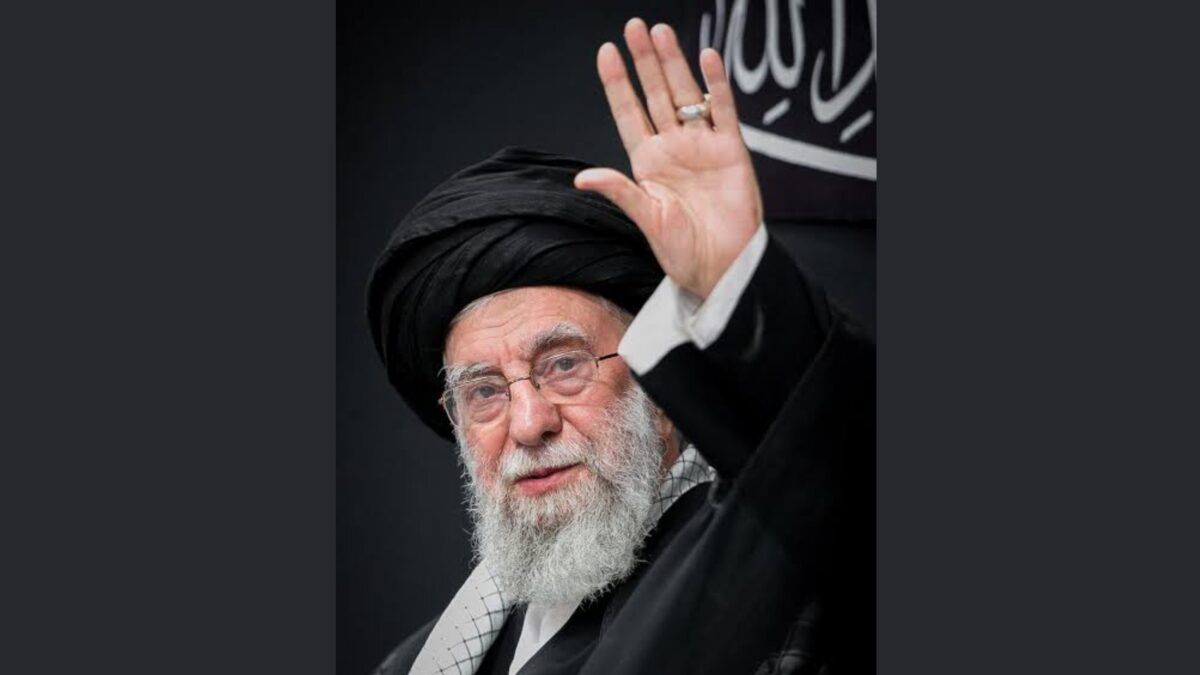
Opinion Piece Claims Ali Khamenei Killed in US-Israel Attack, Labels Him Last Charismatic Revolutionary
An opinion article published by Amu TV claims that Ali Khamenei, leader of the Islamic Republic of Iran, was killed along with some family members in the early hours of a joint United States and Israel attack on his residence known as 'Beit Rahbari,' according to reports.
The piece, written by Sohaila Sabeti, portrays Khamenei as one of the last prominent examples of 'charismatic revolutionaries' in contemporary world politics, whose influence extended beyond formal power structures. It argues that his legitimacy stemmed primarily from ideological bonds with followers rather than bureaucratic or electoral mechanisms. For supporters, he symbolized the continuity of the 1979 Iranian Revolution and its ideals.
Sabeti describes charismatic leadership as based on deep mass trust and emotional bonds, turning the leader into a symbol of collective identity. Khamenei repeatedly described himself not as a conventional politician but as a 'revolutionary,' distinguishing his role from standard political competition.
The article outlines Khamenei's background: joining Ruhollah Khomeini in the fight against the monarchy from youth, taking various roles post-revolution, and serving nearly 37 years as supreme leader. During his tenure, he shaped Iran's domestic, military, religious structures, and regional policies.
Comparisons are drawn to leaders like Xi Jinping, Kim Jong Un, and Vladimir Putin, noting Khamenei's stronger ideological and faith-based ties. His influence extended transnationally among Shia communities in Afghanistan, Pakistan, India, and Middle Eastern countries, where some viewed him as a symbol of 'resistance' and Islamic Revolution continuity.
Historically, the piece places him alongside figures like Lenin, Stalin, Hitler, and Castro. Sabeti concludes that his death marks the end of a generation of leaders legitimized by revolution, ideology, and emotional follower bonds, amid modern changes like new media.
Sabeti holds a master's in history and writes on history and politics. Amu TV states that content in its opinions section is the responsibility of the authors.
More in International
Iran Warns US Will Regret Sinking of Warship Dena Off Sri Lanka

UK suspends study and work visas for Afghans over asylum application concerns

Taliban prime minister discusses Pakistan attacks with Malaysian counterpart

Khyber Pakhtunkhwa Chief Minister Calls for Inclusive Pakistani Delegation to Afghanistan for Talks
 Reliable
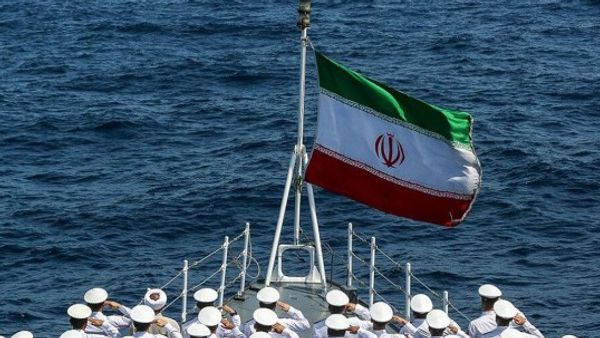
Iran Warns US Will Regret Sinking of Warship Dena Off Sri Lanka
Iran's foreign minister warned the US will regret sinking the warship Dena in international waters off Sri Lanka, killing dozens of crew amid regional tensions. Casualty reports vary from 80 to 130 dead, with US officials confirming the strike.
 Reliable
UK suspends study and work visas for Afghans over asylum application concerns
The UK has temporarily suspended study visas for Afghans and three other nationalities, plus work visas for Afghans, due to rising asylum claims via legal routes, prompting criticism from activists comparing it to Taliban education bans.
 Reliable
Taliban prime minister discusses Pakistan attacks with Malaysian counterpart
Taliban Prime Minister Mullah Mohammad Hassan Akhund discussed Pakistan's military attacks on Afghanistan with Malaysian Prime Minister Anwar Ibrahim, condemning civilian casualties and calling for dialogue while asserting the right to self-defense. Anwar expressed concern and said Malaysia would mediate with both sides amid ongoing border clashes.
 Reliable
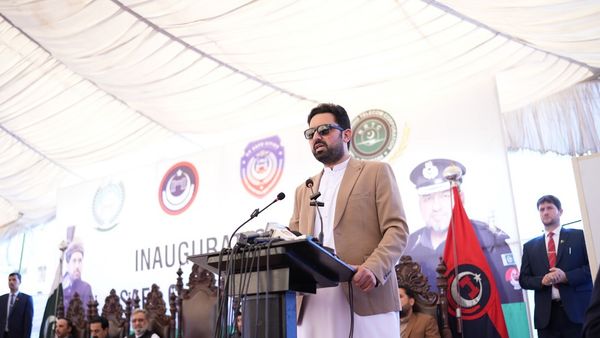
Khyber Pakhtunkhwa Chief Minister Calls for Inclusive Pakistani Delegation to Afghanistan for Talks
Pakistan's Khyber Pakhtunkhwa Chief Minister Sohail Afridi urged an inclusive delegation to visit Afghanistan for talks with Islamic Emirate officials amid cross-border tensions. Afghanistan's defense ministry reported retaliatory strikes on Pakistani forces, while PM Sharif convened party leaders on regional security.