
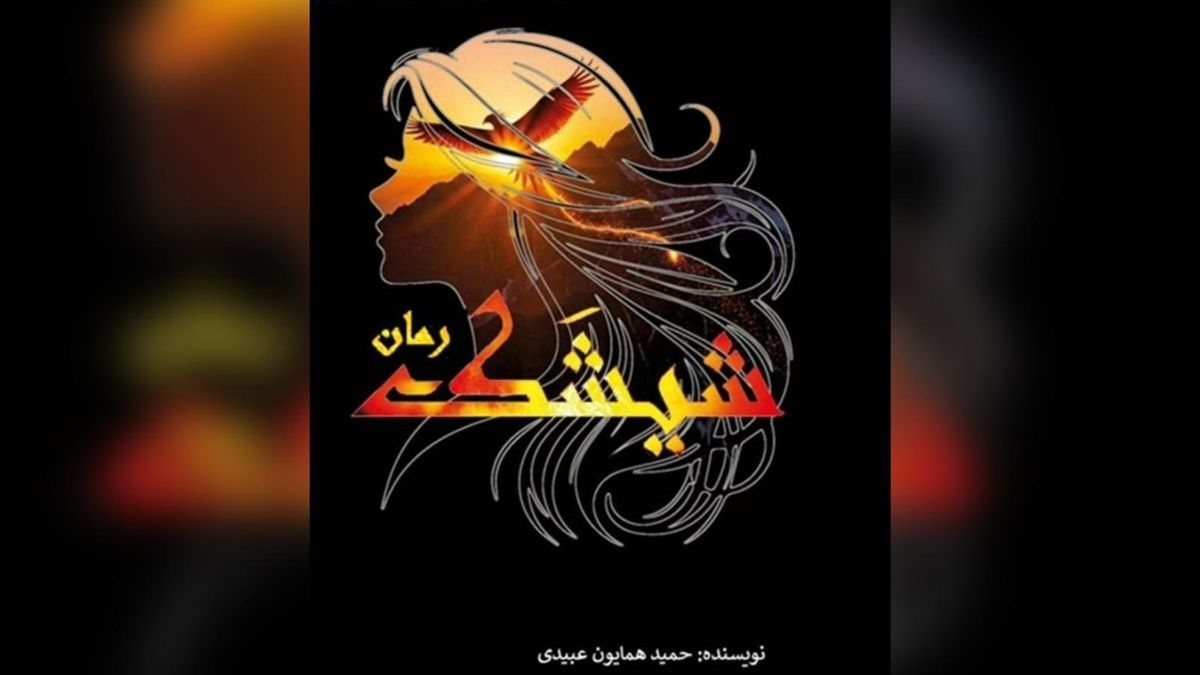
Online Session Critiques Hamid Homayoun Ebadi's Novel 'Shishek'
The novel 'Shishek' by Hamid Homayoun Ebadi was reviewed in an online session attended by writers, critics and cultural activists. Published by the Asmayi Cultural Center in 324 pages and described by the author as 'ethereal realism,' the book focuses on the life of a girl named Shapiri, who flees after the killing of her father and brother and receives help from a man named Abasin, leading to improved circumstances.
Critics offered varied perspectives. Payam Latif Nazemi, a poet and former university professor, noted that more than one-third of the story consists of romance, with the rest comprising dialogues and diverse narratives. Payam Masoud Rahil, whose comments were read by Sulaiman Qiyomi, described 'Shishek' as a profound narrative of human thrownness into the horrors of war and efforts to reclaim identity, calling it one of the most prominent works of contemporary Afghan literature.
Saeed Shinwari analyzed the structure, language and narrative art, stating the novel reflects history, society and spiritual changes amid social transformations. Farideh Faryad, a literature and gender researcher, praised strengths but highlighted lingering patriarchal views influenced by classical literature traditions, particularly critiquing the title 'Shishek' for its connotations of violence, humiliation and dehumanization toward a taboo-breaking female protagonist like Shapiri.
Nahid Alumi examined artistic and social aspects, commending the bilingual Pashto-Dari writing, termed 'lion and sugar writing,' as avoiding linguistic bias. Ghazaleh Afat, a cultural and social activist, called the book fluid and emphasized its message that mutual respect and understanding outweigh love, especially relevant for Afghan women and girls. Khangeh Seddiqi, a women's rights activist, assessed gender roles through three lenses: the body under violence, as a social contract and as autonomous, viewing the woman's right to choose over her body as the story's greatest taboo-breaking element.
Abdulghafur Liwal provided historical and mystical analysis, discussing symbols, imagery and literary devices reflecting Buddhist and Islamic mysticism, joking that explaining them all would require a book larger than 'Shishek.' The author concluded that writers must produce works and endure even the harshest critiques.
More in Culture
Afghan Painter Shabnam Serabi Builds Career After Girls' School Closures
Under-12 Grassroots Football League Begins with 16 Teams in Kabul

Pakistan President's Spokesperson Says Kabul Was Center of Culture and Music Before Taliban

Afghan-Born Dutch Author Forough Karimi Wins Dutch Booksellers Award for 2026
 Reliable
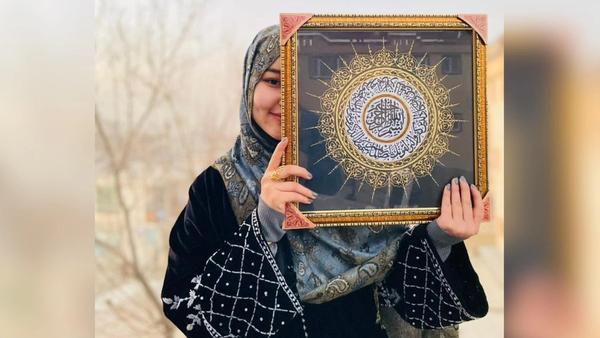
Afghan Painter Shabnam Serabi Builds Career After Girls' School Closures
Afghan artist Shabnam Serabi, who paints under the pseudonym Serabi, has turned to professional painting and teaching after girls' schools closed, focusing her work on women's lives and aspirations. Her pieces, including one from the Herat earthquake, have been exhibited abroad, and she runs an exchange program with a French school.
 Reliable
Under-12 Grassroots Football League Begins with 16 Teams in Kabul
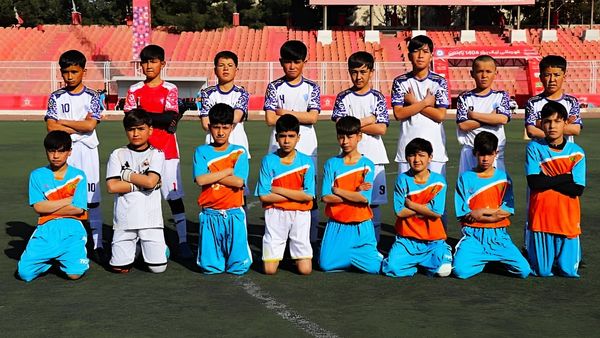
An under-12 grassroots football league launched in Kabul with 16 teams at Ghazi Stadium, featuring four matches on the first day. The Kabul Football Federation organized the event in two eight-team groups competing on points.
 Reliable
Pakistan President's Spokesperson Says Kabul Was Center of Culture and Music Before Taliban
Pakistan President's spokesperson Murtaza Solangi shared a 1960 concert clip of Mehdi Hassan in Kabul, lamenting that the city was a cultural hub before the Mujahideen and Taliban.
 Reliable
Afghan-Born Dutch Author Forough Karimi Wins Dutch Booksellers Award for 2026
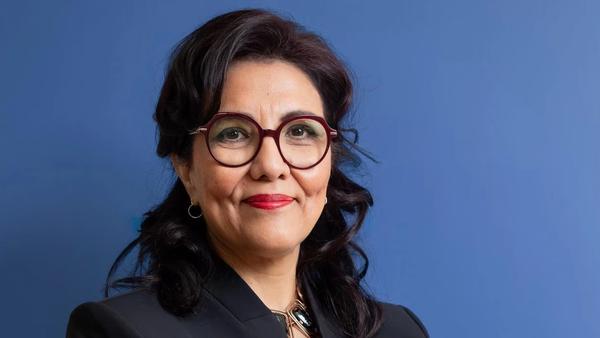
Afghan-born Dutch author Forough Karimi won the 2026 Dutch Booksellers Award for her novel 'I Carry Clouds in My Eyes,' which tells the story of an Afghan refugee psychiatrist.