
OCHA Reports Health Services Provided to Over 6,000 in Flood-Affected Areas of Afghanistan
Recent heavy rains and floods that occurred between April 7 and 16 have caused extensive damage across vast areas of Afghanistan. The disasters have led to hundreds of people being killed and injured, with thousands of homes destroyed or damaged. Hundreds of kilometers of roads and several bridges have also been damaged, along with significant harm to agricultural lands.
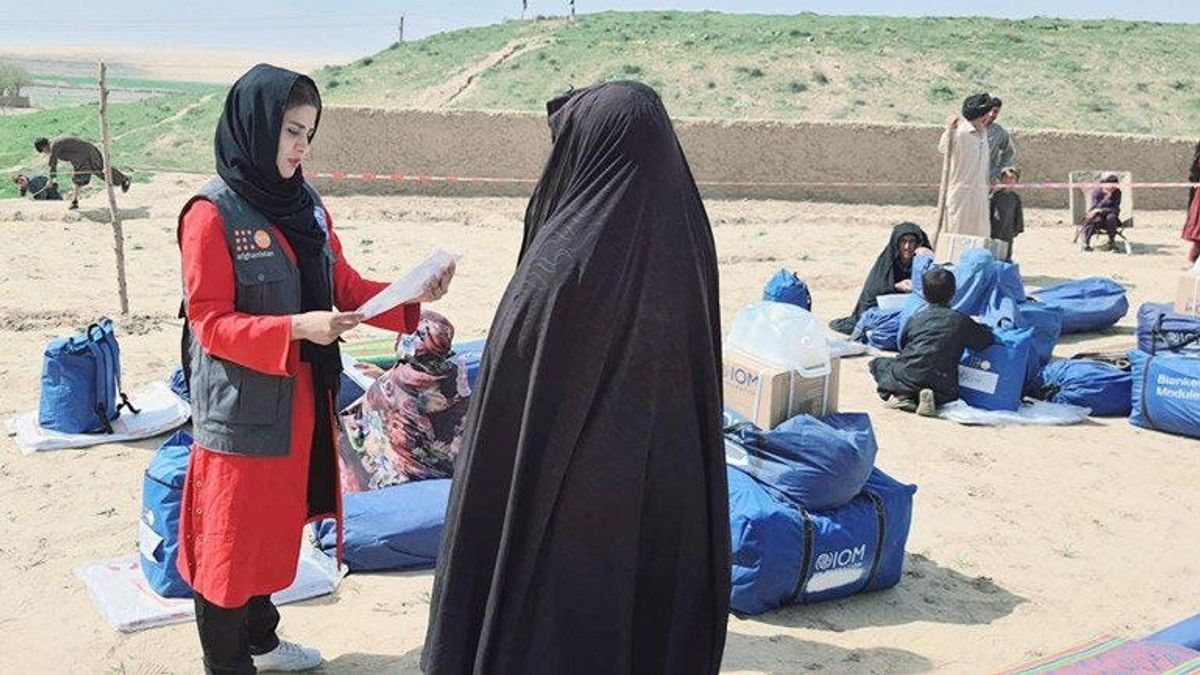
The United Nations Office for the Coordination of Humanitarian Affairs (OCHA) has stated that basic health services have reached approximately 6,300 people in the flood-affected regions. The assistance included emergency medical care, maternal and child health services, nutrition support, vaccinations and psychosocial aid.
According to the OCHA update, out of 73,300 individuals initially identified as affected, more than 31,600 have confirmed urgent needs. Assessments are continuing in 75 areas across the country. To date, over 12,000 people have benefited from some type of humanitarian assistance.
The World Food Programme (WFP) has delivered food aid to nearly 2,600 families, supplying each with two months of rations. Cash support was provided to 97 families in the western province of Herat. Additionally, water and sanitation services reached 733 families, 160 children underwent malnutrition screening, and protection services were offered to more than 2,200 people.
The flooding has also led to heightened protection risks for around 14,000 people, including potential increases in gender-based violence, child labor and mental health problems.
Despite the aid delivered, substantial challenges remain. These include damaged infrastructure, difficulties accessing some communities, delays in data collection, shortages of funding and resources, and logistical hurdles. Humanitarian agencies continue to work on addressing the most urgent needs in the affected regions.
Know more about this story?
If you have additional information or believe something is inaccurate, let us know. Your tips help us stay accurate.
Sources (1)
More in Society
More Than 86,000 Afghan Migrants Return from Iran and Pakistan in Past Month
Jalali and Donors Discuss Stronger Cooperation and Sustainable Health Services
Clashes Along Hypothetical Durand Line Disrupt Education for Thousands of Afghan Children

11 Killed, One Injured in Two Traffic Accidents in Maidan Wardak and Kunduz Provinces
 Reliable
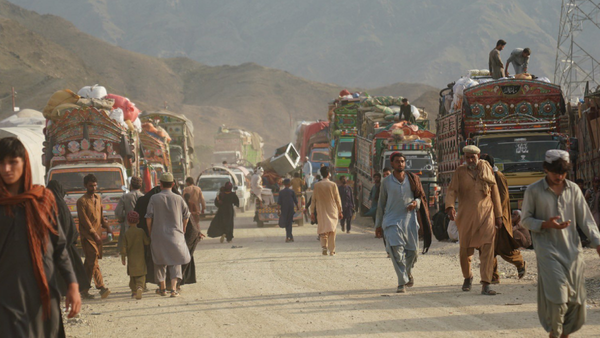
More Than 86,000 Afghan Migrants Return from Iran and Pakistan in Past Month
The UNHCR reports that more than 86,000 Afghan migrants returned from Iran and Pakistan between March 11 and April 11, with most needing immediate cash aid, shelter and livelihood support. Some returnees from Pakistan criticized ongoing military pressures and forced deportations, calling for intervention by rights organizations.
 Reliable
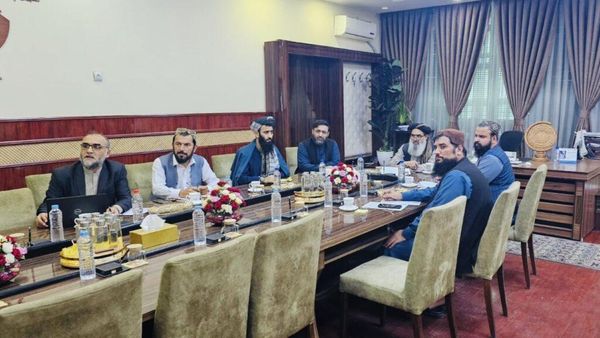
Jalali and Donors Discuss Stronger Cooperation and Sustainable Health Services
Minister Mawlawi Noor Jalal Jalali held an online meeting with representatives from UNFPA, UNDP, the World Bank, the Global Fund, GAVI and the EU to discuss national health policy implementation, potential funding reductions after 2026, financial responsibility transfers and related challenges. Both sides expressed appreciation for each other's efforts and committed to stronger cooperation to ensure sustainable healthcare for Afghans.
 Reliable
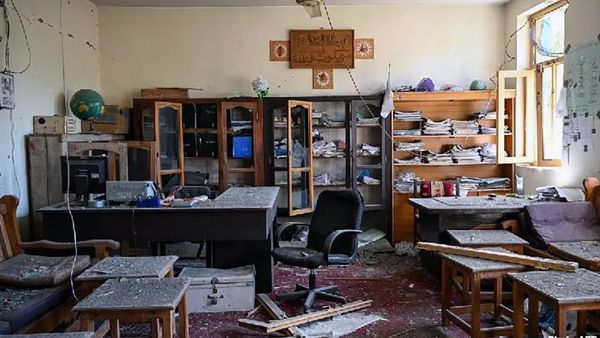
Clashes Along Hypothetical Durand Line Disrupt Education for Thousands of Afghan Children
Clashes along the hypothetical Durand Line between Afghanistan and Pakistan have destroyed schools in Kunar province and displaced more than 94,000 people, with at least 22 schools needing urgent reconstruction and around 12,000 students deprived of education.
 Reliable
11 Killed, One Injured in Two Traffic Accidents in Maidan Wardak and Kunduz Provinces
Two traffic accidents in Maidan Wardak and Kunduz provinces resulted in 11 deaths and one injury. Officials attributed both incidents to drivers' carelessness and speeding.