
Lack of Awareness and Facilities Delays Uterine Cancer Diagnosis in Nimroz
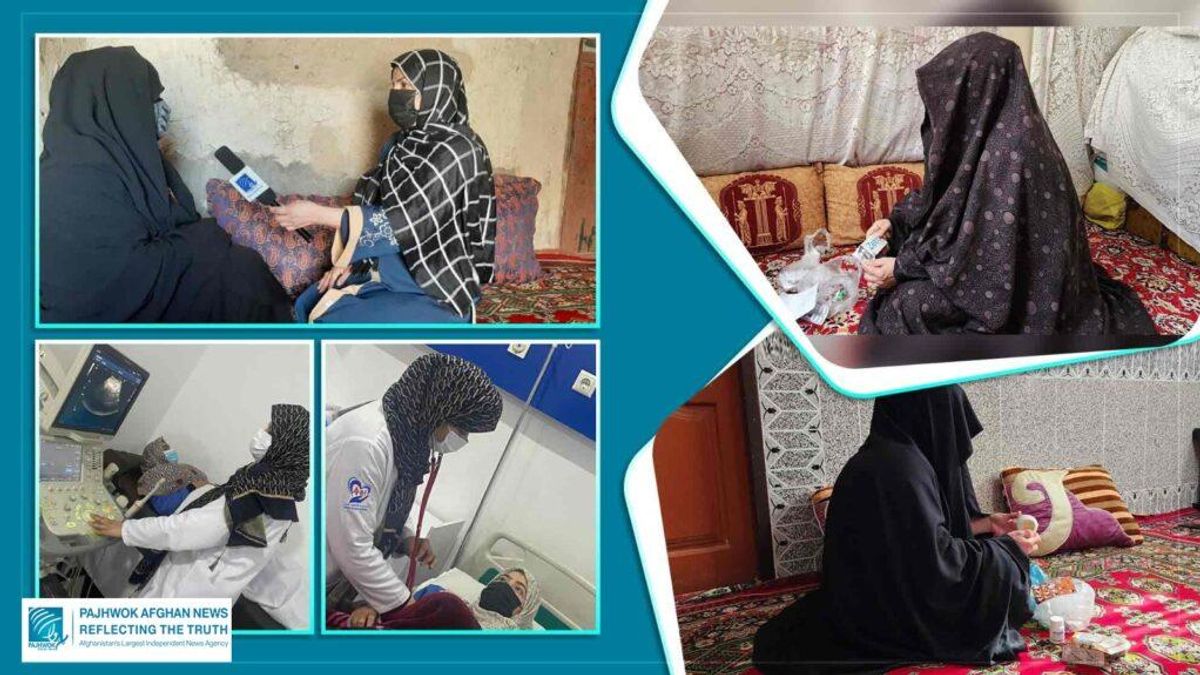
ZARANJ, Afghanistan (Afghan Verified) -- Obstetrics and gynecology specialists say uterine cancer is a "silent" disease among women, with many cases in northwestern Nimroz province diagnosed late due to limited awareness, insufficient diagnostic facilities and a shortage of specialists in remote areas.
Dr. Jeon Rahmati, an obstetrics and gynecology specialist in Nimroz, told Pajhwok Afghan News that the cancer develops when cells lining the uterus grow excessively due to high estrogen and low progesterone levels. Risk factors include obesity, lack of pregnancies, early or late menstruation, and unsupervised hormonal medications, primarily affecting women over 50. Symptoms such as abnormal bleeding, lower abdominal pain and unexplained weight loss are often ignored in remote areas due to fear or shame, she said.
Diagnosis requires ultrasound and endometrial biopsy, but such facilities are unavailable in many Nimroz districts and even the provincial capital, forcing women to travel elsewhere, Dr. Rahmati explained. She urged maintaining healthy weight, exercise and prompt medical consultation post-menopause, noting low awareness contributes to advanced-stage diagnoses.
Dr. Farzana Durani, an obstetrics and gynecology specialist in Kabul, confirmed uterine cancer's commonality among women and its treatability if detected early via ultrasound, biopsy or MRI. She advised taking abnormal bleeding seriously and regular check-ups.
Samana Mohammadi, 48, from Zaranj, experienced heavy bleeding and pain, diagnosed and treated successfully in Pakistan after failed attempts in Nimroz and Kabul. She called for better local facilities amid high foreign treatment costs.
Fereshta, 38, also from Zaranj, reported severe pain and bleeding at the provincial hospital, where doctors suspected a uterine tumor. She appealed for diagnostic and treatment centers, citing inability to afford care.
Pajhwok reporters could not obtain comment from Nimroz's provincial public health directorate. On Jan. 29, the National Cancer Diagnosis and Treatment Hospital opened in Kabul, where Mawlawi Abdul Wali Haqqani, deputy minister of health services, noted past shortages in diagnostics and treatment.
Know more about this story?
If you have additional information or believe something is inaccurate, let us know. Your tips help us stay accurate.
More in Society

Former Minister Abdul Bari Jahani Calls Tarawih Prayer a 'Bid'ah'

Magnitude 5.8 earthquake strikes northeastern Afghanistan

Afghanistan Football Federation to Introduce New National Team Coach in Kabul
Taliban leader issues new criminal code permitting husbands to beat wives without visible injuries
 Reliable
Former Minister Abdul Bari Jahani Calls Tarawih Prayer a 'Bid'ah'
Abdul Bari Jahani, former Afghan minister and national anthem poet, claimed the Tarawih prayer is a 'bid'ah' not found in the Quran or Hadiths and attributed to Umar bin Khattab, prompting diverse reactions on social media.
 Reliable
Magnitude 5.8 earthquake strikes northeastern Afghanistan
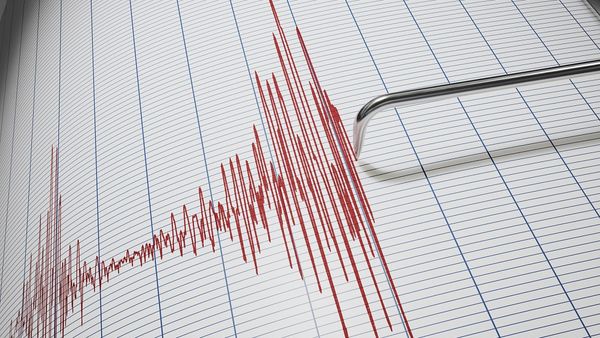
A 5.8-magnitude earthquake hit northeastern Afghanistan on Thursday evening at a depth of 90.7 kilometers, according to the U.S. Geological Survey, with no immediate reports of casualties or damage.
 Reliable
Afghanistan Football Federation to Introduce New National Team Coach in Kabul
Afghanistan Football Federation will introduce Brazilian coach Jose Antonio Nogueria as new national team head in Kabul tomorrow, amid calls for stability in Afghan football.
 Unverified
Taliban leader issues new criminal code permitting husbands to beat wives without visible injuries
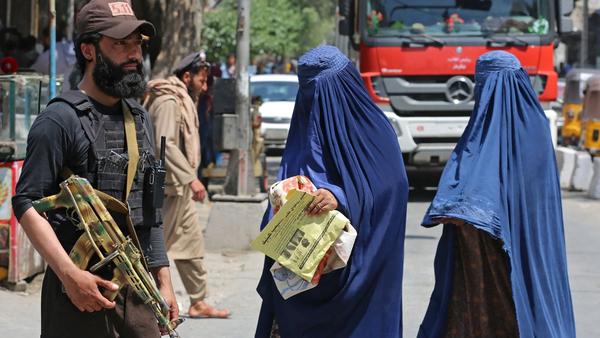
A new Taliban criminal code reportedly allows husbands to beat wives without causing visible injuries or broken bones, with strict conditions for women to file complaints. Penalties for women fleeing abuse are also outlined, up to three months in prison.