
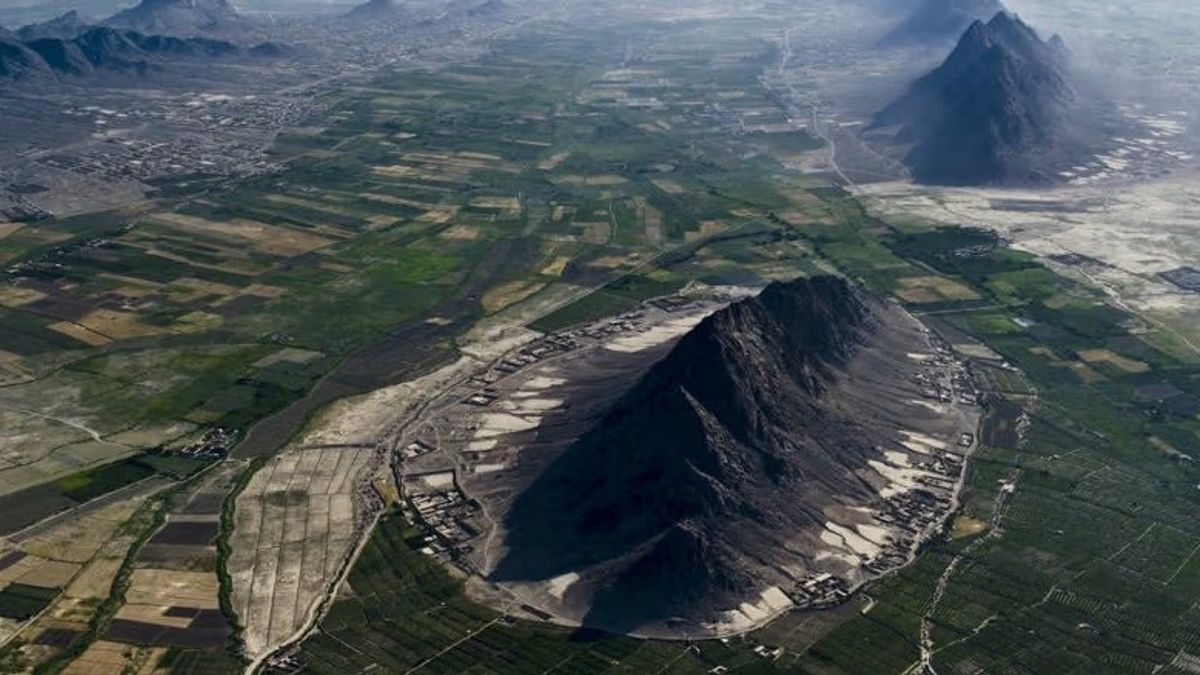
Kazakhstan Examines Rare Metals Extraction Potential in Afghanistan
Kazakhstan's Tau-Ken Samruk company is conducting laboratory tests on mineral samples from Afghanistan, focusing on rare metals, rare earth elements and base metals, Deputy Minister of Industry and Construction Iran Sharhan announced on the sidelines of the Central Asia Earth Sciences and Exploration Forum.
Sharhan, whose name was reported as Iran Shirkhan by Amu TV, said the tests are taking place in Tau-Ken Samruk laboratories and the Karaganda region. The examinations also include analysis of Afghanistan's legal frameworks and geological capacities. Both Afghanistan International and Amu TV reported the announcement, highlighting Afghanistan's significant potential in these minerals.
If the tests confirm commercial viability, further details will be released and extraction activities could begin soon, Sharhan said. Afghanistan International noted that the country's rich reserves have been hindered by long-term instability and poor infrastructure.
Amu TV reported that the tests also involve samples from Rwanda and cited Kazinform as saying large mining companies have invested 150 billion tenge in Kazakhstan's science and technology sector.
The announcements come amid growing interest in Afghanistan's untapped mineral wealth, which both outlets described as substantial in rare metals and rare earth elements essential for high-tech industries.
Know more about this story?
If you have additional information or believe something is inaccurate, let us know. Your tips help us stay accurate.
Where reports agree
- Tau-Ken Samruk conducting lab tests on Afghan mineral samples including rare metals/earth elements
- Named Kazakh Deputy Minister Iran Sharhan/Shirkhan made announcement at Central Asia Earth Sciences and Exploration Forum
- Focus on legal frameworks, geological capacities, and tests in Karaganda labs
- Potential for future extraction if tests positive
- Afghanistan's mineral potential highlighted
Where reports differ
- Source 2 includes Rwanda in tests and potential; Source 1 mentions only Afghanistan
- Source 2 cites Kazinform and adds Kazakh investment figure; Source 1 does not
- Minor spelling: Sharhan vs Shirkhan; Qaraghandy vs Karaganda; Industry vs Industries
More in Economy

Pakistani Company Continues $110 Million Beverage Can Factory Project in Afghanistan Despite Border Closure

Pakistan Raises Fuel Prices Again Amid U.S.-Iran War Driving Global Oil Higher
Tripartite Agreement Set for New Transit Corridor Linking Russia's Tatarstan, Turkmenistan, and Afghanistan
Kazakhstan Reports Progress on CASA Railway Corridor Through Afghanistan to Pakistan Ports
 Reliable
Pakistani Company Continues $110 Million Beverage Can Factory Project in Afghanistan Despite Border Closure
A Pakistani company, PABSI, is continuing its $110 million project for a beverage can factory in Afghanistan expected to produce 1.3 billion cans annually, despite the Afghanistan-Pakistan border closure since October 2025 due to security concerns.
 Reliable
Pakistan Raises Fuel Prices Again Amid U.S.-Iran War Driving Global Oil Higher
Pakistan raised petrol and diesel prices sharply for the second time in under a month, with diesel up nearly 55 percent to 520 rupees per litre, due to global oil surges from the U.S.-Iran war. Ministers cited unavoidable market volatility and announced targeted subsidies totaling 129 billion rupees in recent weeks.
 Reliable
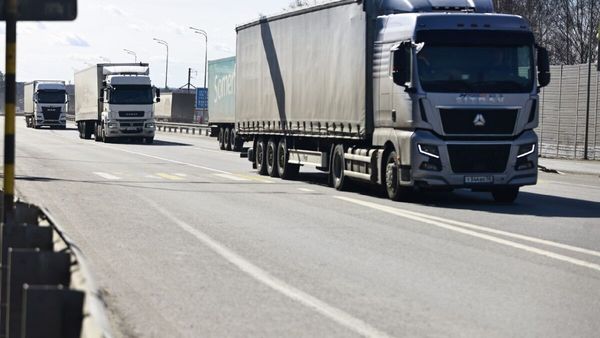
Tripartite Agreement Set for New Transit Corridor Linking Russia's Tatarstan, Turkmenistan, and Afghanistan
A tripartite agreement to establish a new transit corridor between Russia's Tatarstan, Turkmenistan, and Afghanistan, bypassing Iran, is set to be signed in May at the Kazanforum. Taliban Minister Nuraldin Azizi supports the plan amid rising halal product trade worth $51.7 million in 2025.
 Reliable
Kazakhstan Reports Progress on CASA Railway Corridor Through Afghanistan to Pakistan Ports
Kazakhstan's Ministry of Transport reported advances on the CASA railway corridor through Afghanistan's Torghundi, Herat and Kandahar to Pakistan's ports, with MoUs signed and a joint working group formed. The project aims to connect Central Asia to South Asian seas, enhancing transit and economic ties.