
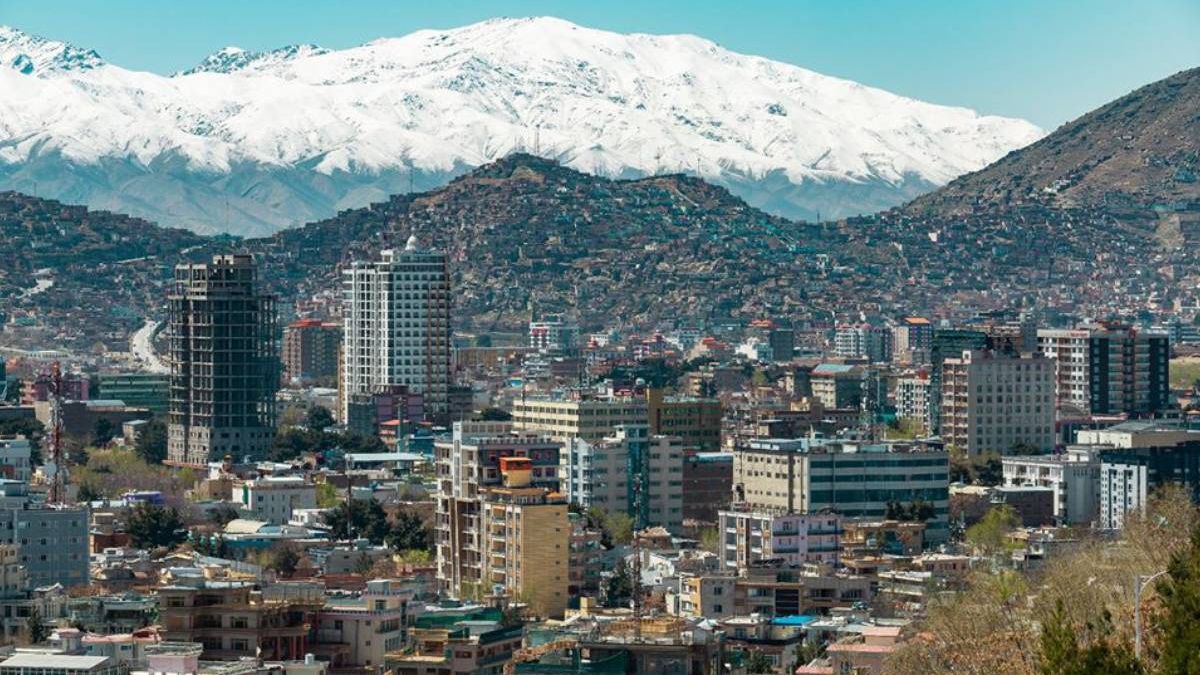
Islamic Emirate Reports Economic Growth in Solar Year 1404 with Infrastructure Progress and Trade Challenges
Afghanistan's economy grew in the solar Hijri year 1404 according to a World Bank report, with contracts worth $11 billion signed in the electricity sector and nearly $250 million invested in manufacturing and factories, including can-making, iron smelting, raisin and pomegranate processing, cement, and flour.
Significant progress was made on major infrastructure projects, including 98% completion of the second section of the Qoshtepa irrigation canal, 96% progress on the groundwork of the TAPI project, 70% progress on the Wakhan Economic Corridor, a 15-year extension of the Aynak Copper contract, resumption of the CASA-1000 project, and the start of Semti Gold extraction in Takhar.
Abdul Salam Hanafi, deputy of the Prime Minister's Office, said the Islamic Emirate has strongly supported investments through various policies and facilities for domestic and foreign investors.
Hamidullah Fitrat, deputy spokesman of the Islamic Emirate of Afghanistan, stated that the Islamic Emirate is committed to completing its portion of the TAPI project as soon as possible, starting with the first phase to Herat and extending to other areas.
The Ministry of Industry and Commerce sought to expand trade with neighboring countries, but a halt in trade with Pakistan caused more than $1 billion in losses to traders. In response, the Islamic Emirate banned imports of medicine from Pakistan and pursued alternative routes through Central Asian countries, leading to a 77% increase in exports and 43% in imports.
Mullah Abdul Ghani Baradar, economic deputy of the Prime Minister's Office, insisted on open trade roads with Pakistan during fruit seasons, criticizing closures under pretexts. Nooruddin Azizi, Minister of Industry and Commerce, noted problems with trade to Pakistan and India, and efforts to develop new routes via Chabahar.
Trade agreements were signed with Uzbekistan, Kyrgyzstan, Iran, Pakistan, and Dagestan in Russia, including preferential tariffs and memorandums of understanding.
Know more about this story?
If you have additional information or believe something is inaccurate, let us know. Your tips help us stay accurate.
Sources (1)
More in Economy
Etihad Airways Starts Flights to Afghanistan
Guardianless Women in Kabul Face Severe Poverty and Economic Challenges
Ghazni Exports 13,000 Tonnes of Dried Fruit in Current Solar Year
Jawzjan Woman Expands Tailoring Workshop to Employ Over 200 Women
Etihad Airways Starts Flights to Afghanistan
The Ministry of Transport and Civil Aviation announced that Etihad Airways has started flights to Afghanistan for the first time, with the inaugural flight on Friday, Pisces 29th, and four flights planned per week. This follows the UAE airline's February announcement of direct Kabul-Abu Dhabi services in late March.
 Reliable
Guardianless Women in Kabul Face Severe Poverty and Economic Challenges
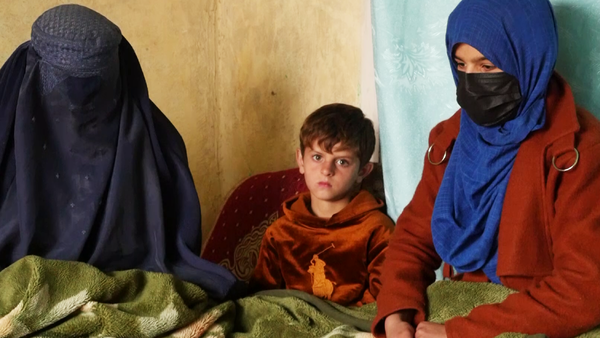
Guardianless women in Kabul, like Sadiqua who sells vegetables despite illness to feed her children, face severe poverty and rely on sporadic aid. Economic experts urge the Islamic Emirate and aid groups for sustainable support, while the Ministry of Economy highlights ongoing assistance programs.
 Reliable
Ghazni Exports 13,000 Tonnes of Dried Fruit in Current Solar Year
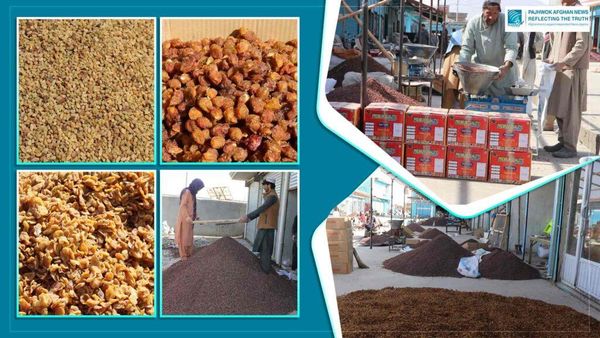
Ghazni province exported about 13,000 metric tonnes of dried fruit including almonds, raisins and apricots to countries such as Tajikistan, Turkey, India, Iran, the US and Arab nations during the current solar year. Traders and officials cite quality reputation but call for better packaging, transport and processing facilities to expand exports.
 Reliable
Jawzjan Woman Expands Tailoring Workshop to Employ Over 200 Women
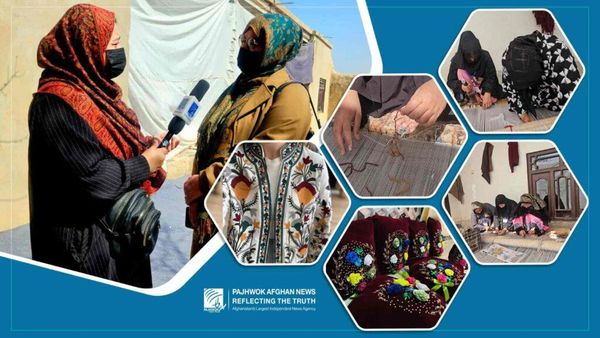
Wahida Karimi has grown a tailoring workshop in Jawzjan province's Shiberghan City from a $2,000 investment five years ago into a production center employing over 200 women, with capital exceeding $700,000 and some exports abroad. Workers and Karimi highlight economic empowerment and call for government support to expand opportunities.