
Islamic Emirate of Afghanistan Sees Progress in Security, Infrastructure and Economy in Solar Year 1404
KABUL (Afghan Verified) — Solar year 1404 marked a period of tangible transformation in Afghanistan, with the Islamic Emirate of Afghanistan advancing from planning to implementation in security, infrastructure and economic sectors.
Security improvements included keeping key highways open most of the time, enabling smoother transfer of goods between provinces, reducing transportation costs and contributing to price stability in domestic markets.
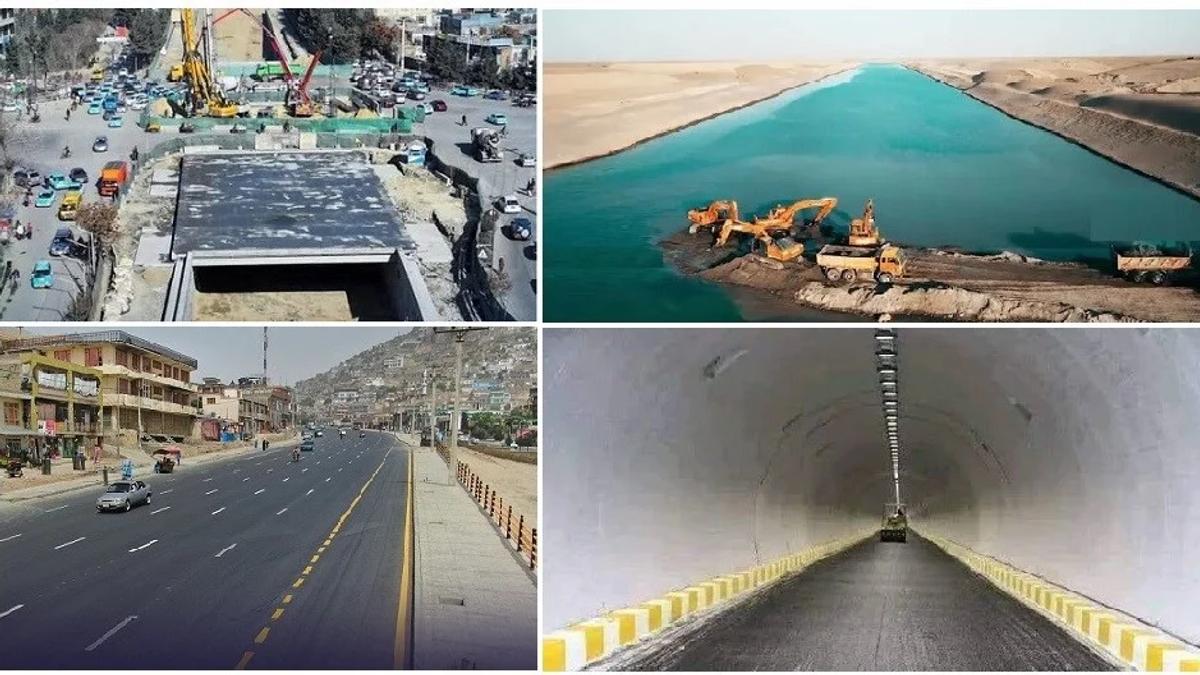
In infrastructure, practical work on the TAPI gas pipeline project — transmitting Turkmenistan gas through Afghanistan to Pakistan and India — entered more serious stages, accompanied by increased regional coordination. The CASA-1000 electricity transmission project progressed in some sections. The Qoshtepa Canal, one of the largest irrigation projects, showed remarkable advancement, poised to irrigate thousands of hectares of agricultural land and supply electricity to thousands of families and factories in the north.
Domestic road and highway construction and repairs in several provinces improved access to markets for remote areas, boosting internal trade and welfare. In transportation, over 20,000 GPS devices were installed in vehicles during the year, raising the total to about 40,000 and enhancing regulation, route control and road safety.
Economically, the Afghani currency maintained stability against foreign currencies, outperforming some regional countries amid severe fluctuations there. Relative inflation control supported improved purchasing power and a predictable environment for traders.
Trade diversification efforts expanded markets to Central Asian countries and Iran amid challenges with traditional routes like Pakistan, with increased exports of agricultural and mineral products. Focus on domestic production grew through small industries, local medicine manufacturing, agricultural activity and promotion of homegrown products to reduce import dependency.
Diplomatic engagement increased with regional countries through delegations and economic-political interactions, aiming to reduce isolation.
Know more about this story?
If you have additional information or believe something is inaccurate, let us know. Your tips help us stay accurate.
Sources (1)
More in Economy
Taliban-Run State Companies Directorate Restricts 17 Private Oil Firms
High Directorate of Emirate Companies Warns 17 Petroleum Firms Over Import Violations
Olive Orchards Expand in Nangarhar Province Amid Accelerated Ministry Efforts
Uruzgan Youth Lose Jobs Transporting Goods to Pakistan Amid Border Closures
 Reliable
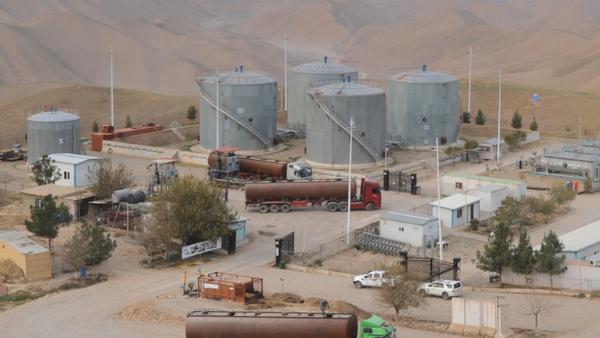
Taliban-Run State Companies Directorate Restricts 17 Private Oil Firms
The General Directorate of State-Owned Companies under Taliban control restricted 17 private oil companies for regulatory violations, barring trade with them and setting a one-month deadline to resolve customs issues. The action comes after Taliban blocks on oil tankers in Nimroz province over alleged overpricing.
 Reliable
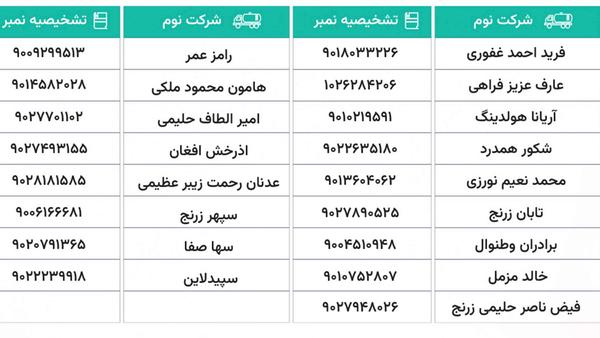
High Directorate of Emirate Companies Warns 17 Petroleum Firms Over Import Violations
The High Directorate of Emirate Companies has warned 17 petroleum firms, naming several including Ariana Holding, that they risk losing import and transit rights unless they complete customs procedures within one month. The move addresses violations of laws and incomplete procedures for petroleum cargoes.
 Reliable
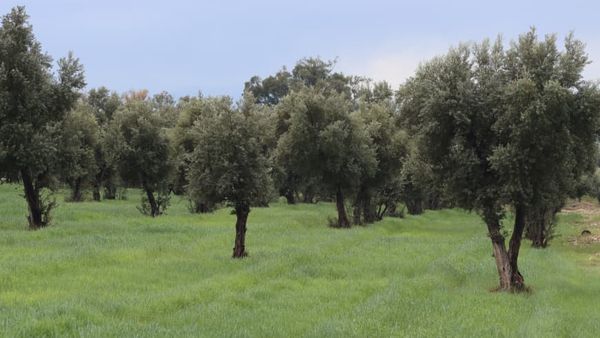
Olive Orchards Expand in Nangarhar Province Amid Accelerated Ministry Efforts
The Ministry of Agriculture, Irrigation and Livestock has accelerated olive production efforts, leading to thriving orchards on 800 jeribs in Nangarhar's Hedah Farm. Officials expect substantial yields this year to enhance agricultural revenues and economic growth.
 Reliable
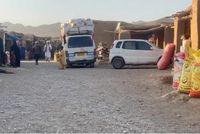
Uruzgan Youth Lose Jobs Transporting Goods to Pakistan Amid Border Closures
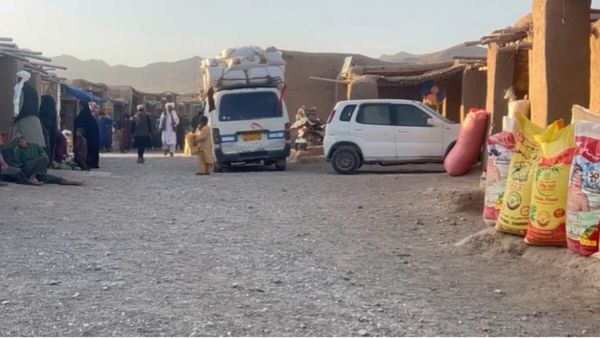
Youth in Uruzgan province report losing cross-border trade jobs with Pakistan due to clashes between the Taliban and Pakistan, leading to border closures and economic hardship. Residents cite rising prices, such as flour at 1,500 afghanis per sack, and insufficient local wages like 50 afghanis per kilo of spun wool.