
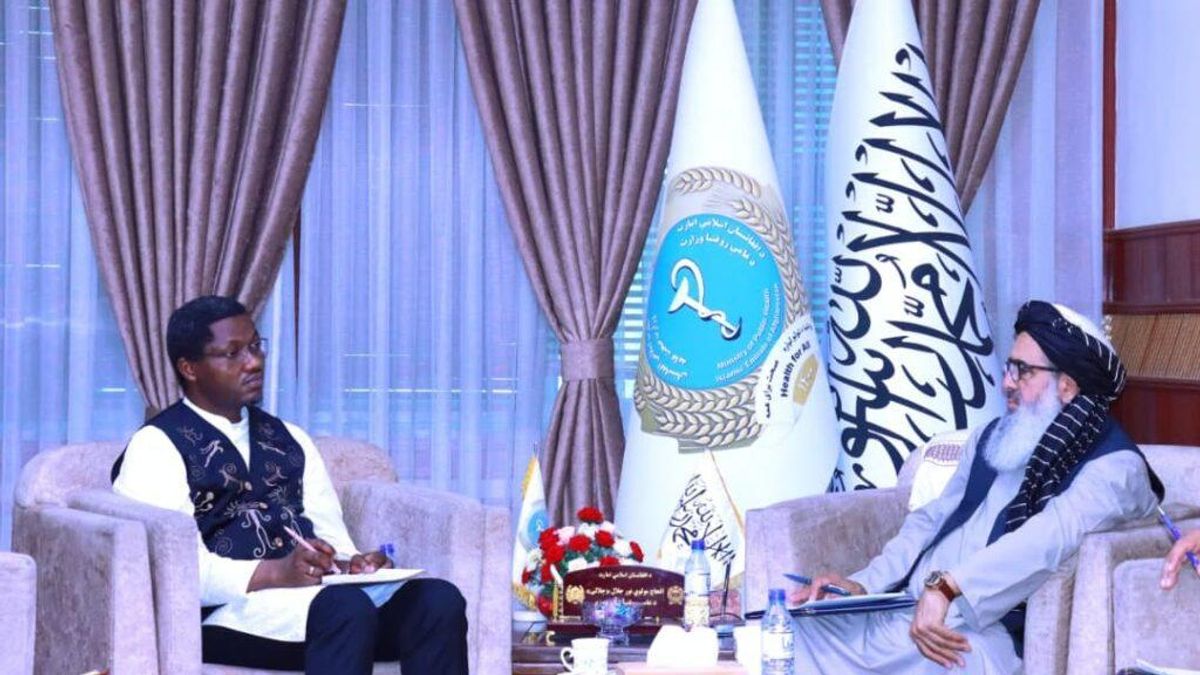
Islamic Emirate Health Minister and UNICEF Representative Discuss Expansion of Medical Services
Afghanistan’s Minister of Public Health, Mawlawi Noor Jalal Jalali, met with the United Nations Children’s Fund country representative in Kabul to discuss strategies for expanding healthcare access and strengthening national medical infrastructure. Both officials reaffirmed their commitment to improving public health services, with a particular focus on underserved and remote regions.
During the meeting, the minister emphasized that reinforcing the national health system remains a central priority for the Islamic Emirate. He outlined the government’s objectives to enhance facility coverage, ensure consistent delivery of essential medical supplies, and improve service quality across all provinces. The discussion also covered joint monitoring mechanisms and long-term technical cooperation to sustain health sector development.
The UNICEF representative pledged continued operational and financial support for key public health initiatives. According to statements from both sides, the partnership will prioritize maternal and child healthcare, nationwide vaccination campaigns, nutritional programs, and emergency medical response. Officials noted that expanding access to these services in hard-to-reach areas is critical for reducing preventable illnesses and improving overall community health outcomes.
Both parties agreed to maintain regular coordination to track progress and address emerging challenges within the health sector. The meeting concluded with a mutual commitment to advancing technical assistance and ensuring that essential medical services reach populations in need across the country.
Know more about this story?
If you have additional information or believe something is inaccurate, let us know. Your tips help us stay accurate.
Where reports agree
- A meeting took place between the Afghan Minister of Public Health and the UNICEF head in Afghanistan.
- Both sides discussed expanding health services to remote and underserved areas.
- Vaccination, maternal/child health, nutrition, and emergency services were highlighted as key cooperation areas.
- The Islamic Emirate prioritizes strengthening the national health system.
- UNICEF committed to continuing its support and technical assistance.
Where reports differ
- Minor transliteration differences in the UNICEF representative's surname across sources (Awila, Oyewale, Oyla). No substantive factual conflicts exist.
More in Society
Former Afghan Soldier in Badakhshan Appeals for Humanitarian Assistance
WHO Reports Afghanistan Faces One Maternal Death Nearly Every Hour
UN: Retaining Walls Protect Rural Communities from Floods in Afghanistan
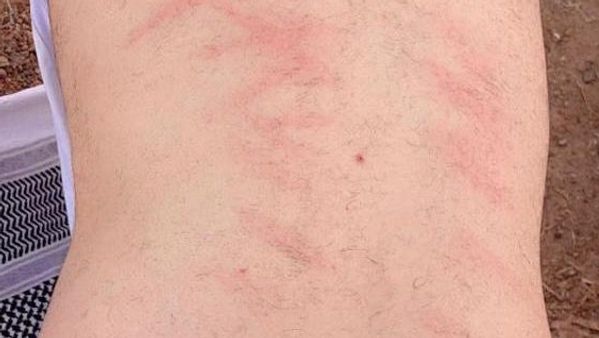
Investigation Documents Over 107,000 Public Lashings in Afghanistan Since August 2021
 Reliable
Former Afghan Soldier in Badakhshan Appeals for Humanitarian Assistance
A former Afghan National Army officer from Badakhshan is appealing to humanitarian organizations for medical and financial aid after years of health complications and depleted savings. He cites severe symptoms and an inability to work as the primary reasons for his request.
 Reliable
WHO Reports Afghanistan Faces One Maternal Death Nearly Every Hour
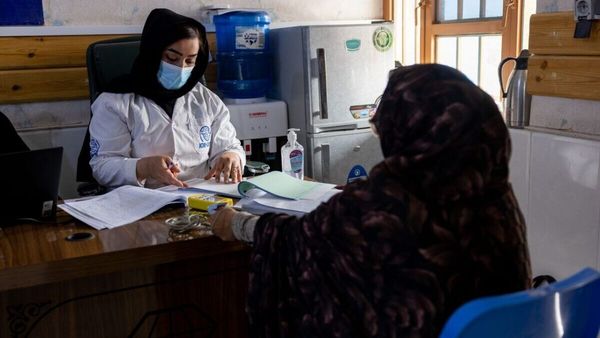
The World Health Organization reports that Afghanistan records nearly one maternal death per hour, with a mortality rate of 521 per 100,000 live births. Despite improvements in prenatal care and skilled birth attendance over the past two decades, funding shortages and restricted mobility for women threaten to reverse these health gains.
 Reliable
UN: Retaining Walls Protect Rural Communities from Floods in Afghanistan
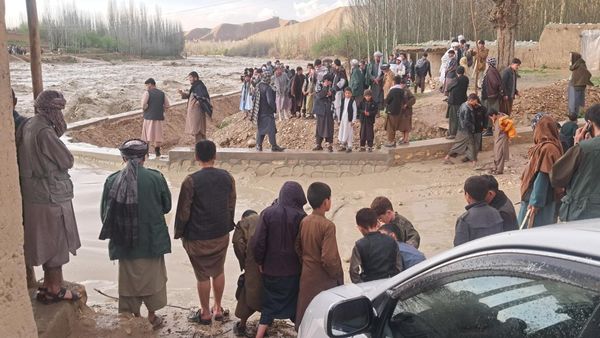
The UN World Food Programme reports that 776 meters of newly constructed retaining walls across six Afghan provinces have successfully protected rural families and agricultural land from seasonal floods, though climate vulnerability remains high nationwide.
 Reliable
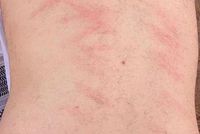
Investigation Documents Over 107,000 Public Lashings in Afghanistan Since August 2021
An investigation cross-referencing Taliban Supreme Court records with international human rights data documents over 107,000 public lashings in Afghanistan between August 2021 and March 2026. Researchers note the figures are likely underreported due to media restrictions and fear of reprisals.