
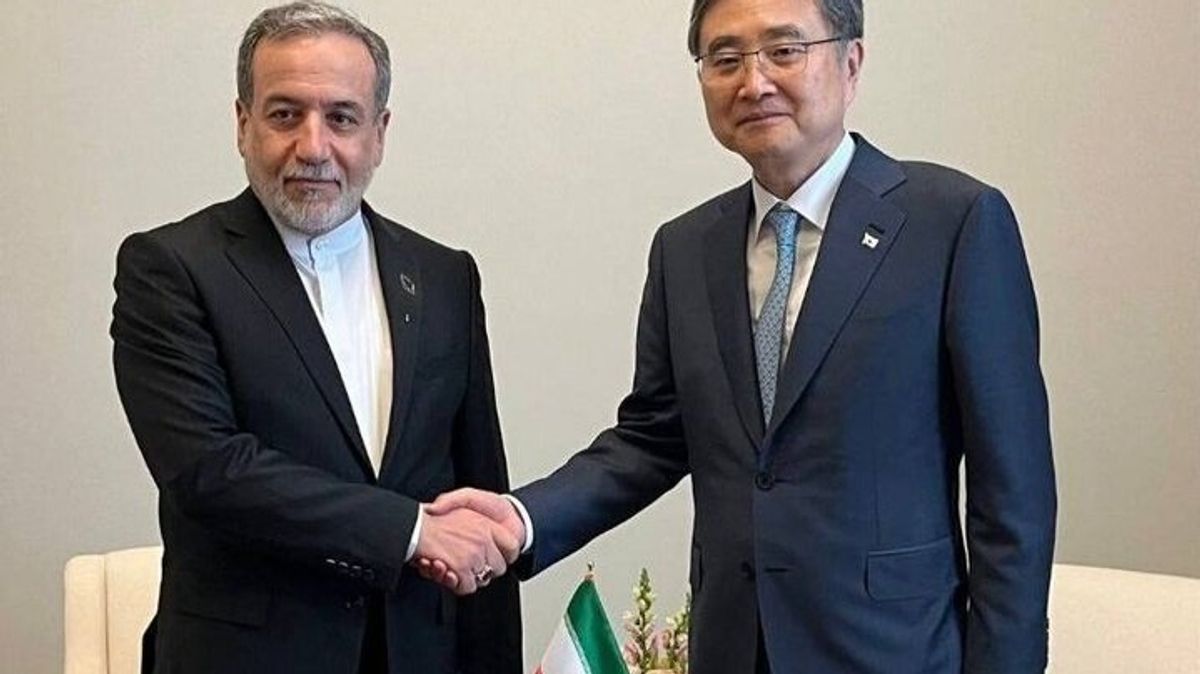
Iranian FM Warns South Korean Counterpart on Strait of Hormuz Closure in Phone Call
Iranian Foreign Minister Abbas Araghchi held a telephone conversation with his South Korean counterpart, Cho Hyun, to discuss bilateral relations and regional developments following U.S. and Israeli attacks on Iran.
Cho expressed concerns over the impact of ongoing regional instability and the situation in the Strait of Hormuz on the global economy, urging efforts to reduce tensions, according to Iran's Foreign Ministry.
Araghchi attributed the current regional insecurity, including rising tensions in the Strait of Hormuz, to military actions by the United States and Israel against Iran. He affirmed that Iran would resolutely defend its sovereignty and territorial integrity amid fragile security conditions.
Araghchi stated that the Strait of Hormuz would be closed to vessels belonging to countries supporting attacks on Iran or their backers, but ships from other nations could pass through with coordination from Tehran.
The call comes amid escalating tensions in the region, with the Strait of Hormuz handling a significant portion of global oil shipments. Any disruption there raises fears for international energy markets and trade.
Know more about this story?
If you have additional information or believe something is inaccurate, let us know. Your tips help us stay accurate.
Where reports agree
- Telephone call between Iranian FM Abbas Araghchi and South Korean FM Cho Hyun on bilateral relations and regional developments.
- Araghchi blames US and Israeli attacks for regional instability including Strait of Hormuz.
- Iran will defend its sovereignty against aggressions.
- Strait of Hormuz closed to ships of aggressors/supporters, open to others with Iranian coordination.
- Cho Hyun raised concerns on regional instability's economic impact including Strait of Hormuz.
Where reports differ
- Khaama Press mentions Cho expressing condolences to Iranian people; RTA does not.
More in International

Diplomatic Sources Say US Vice President Vance May Lead Iran Peace Talks in Islamabad
Afghanistan's Deputy Water and Energy Minister Attends Tashkent International Water Week Forum

Germany Deports Two Afghan Men Convicted of Crimes to Kabul
Saudi Crown Prince Urged Trump to Continue War Against Iran, New York Times Reports
 Reliable
Diplomatic Sources Say US Vice President Vance May Lead Iran Peace Talks in Islamabad
Diplomatic sources cited by The Guardian indicate US Vice President JD Vance may lead peace talks with Iran in Islamabad, facilitated by Pakistan following a Trump-Munir call. Iran's Ghalibaf has denied involvement, and the White House called discussions sensitive without confirming details.
 Reliable
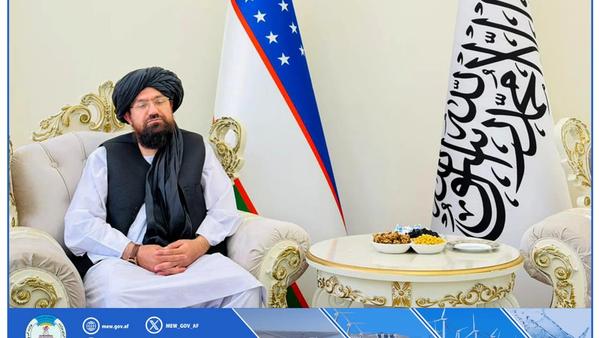
Afghanistan's Deputy Water and Energy Minister Attends Tashkent International Water Week Forum
Afghanistan's Deputy Minister of Water and Energy, Mujib al-Rahman Omar Akhundzada, is attending the International Water Week Forum in Tashkent, Uzbekistan, to discuss sustainable water management and regional cooperation. The participation aims to share Afghanistan's water sector updates and foster joint projects amid climate challenges.
 Reliable
Germany Deports Two Afghan Men Convicted of Crimes to Kabul
German authorities deported two Afghan men convicted of serious crimes from Hamburg to Kabul via Istanbul on regular flights, despite tensions between Afghanistan and Pakistan. The action follows a prior charter flight directly coordinated with the Taliban by Germany's Federal Interior Ministry.
 Reliable
Saudi Crown Prince Urged Trump to Continue War Against Iran, New York Times Reports
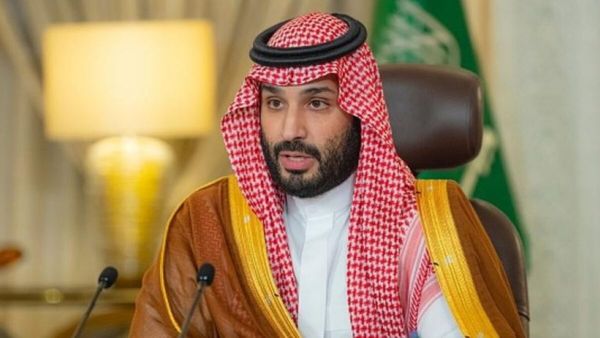
Saudi Crown Prince Mohammed bin Salman urged U.S. President Donald Trump to continue the war against Iran as a "historic opportunity" to remake the Middle East, according to sources cited by the New York Times. Officials expressed concerns over escalation and economic disruptions while broader military options were discussed.