
IOM: Half of Migration Route Victims in Asia Are Afghans
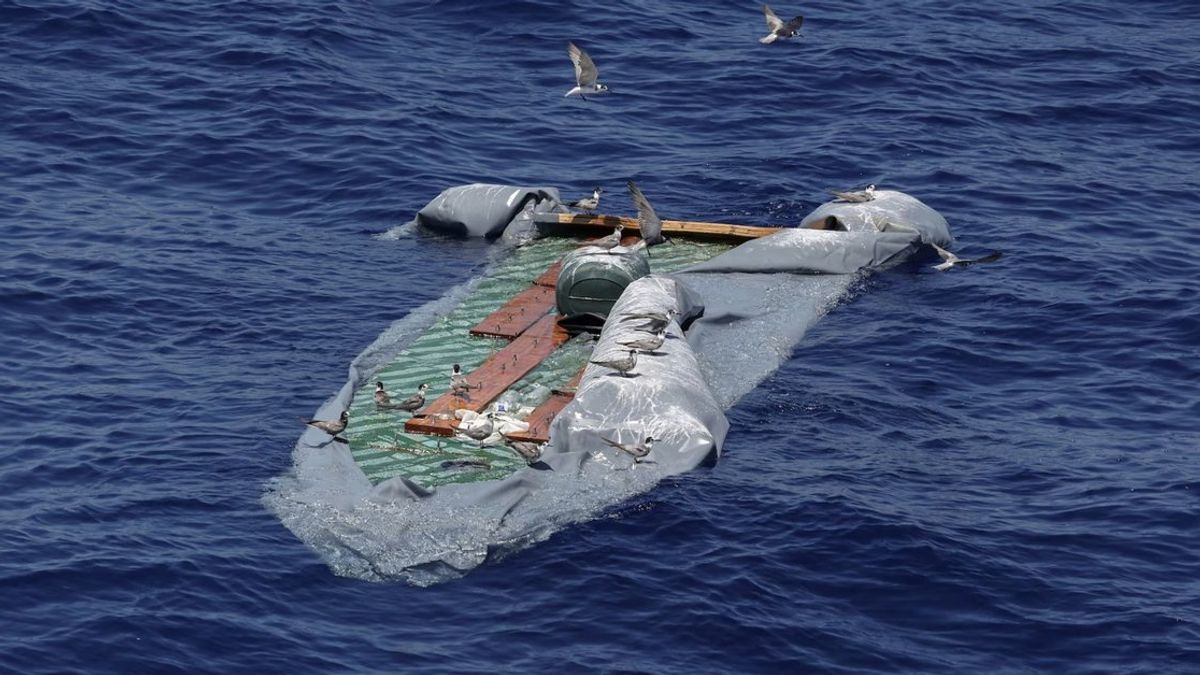
The International Organization for Migration (IOM) reported that approximately 8,000 people died or went missing on dangerous migration routes in the past calendar year. Of the around 3,000 migrant deaths recorded in Asia, more than half were Afghans.
In a report issued on Thursday, February 26, IOM warned that reducing legal migration pathways is consigning more individuals to smugglers and death. The organization noted that most refugees perished on routes in the Mediterranean Sea originating from African countries. Due to funding shortages, IOM stated it cannot record all fatalities, suggesting the actual toll is higher.
IOM highlighted that the United States and European Union, key destinations for refugees, have adopted stringent migration policies, trapping more people in perilous situations. IOM Director General Amy Pope stated, "The continuing deaths and disappearances of refugees on migration routes is a global failure that we cannot normalize."
Pope added that these deaths are not inevitable and urged countries to expand safe and orderly pathways to ensure protection for refugees regardless of origin or faith. Sea routes remain among the deadliest, with at least 2,108 people killed or missing in the Mediterranean last year. Additionally, 922 individuals died crossing from the Horn of Africa to Yemen and Gulf countries.
The trend persists into this year, with 606 refugees dying in the Mediterranean in the first two months. An investigative report by Afghanistan International, published in May, found that Afghan refugees fleeing Taliban-controlled Afghanistan face horrific violence at the Iran-Turkey border, resulting in killings and disappearances. Many encounter mistreatment, torture, harassment, and extortion, with numerous failing to reach their destinations.
More in Society

Bayat Foundation Distributes Ramadan Food Aid in Ghazni Province
Taliban court whips man for theft in Paktia province
Norwegian Refugee Council warns aid cuts threaten re-displacement of Kunar earthquake victims
Bayat Foundation expands Ramadan aid to families in Ghazni province
 Reliable
Bayat Foundation Distributes Ramadan Food Aid in Ghazni Province
The Bayat Foundation provided Ramadan food packages to vulnerable families in Ghazni province, continuing its annual humanitarian program after similar distributions in Farah. Beneficiaries included migrants and those facing poverty, with the effort part of the organization's long-term charitable initiatives.
 Reliable
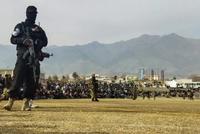
Taliban court whips man for theft in Paktia province
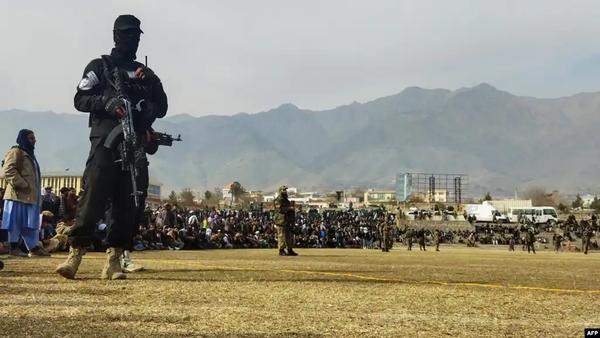
Taliban Supreme Court confirmed the whipping of a man sentenced to 25 lashes for theft in Paktia province's Zermet district, amid ongoing criticism of public corporal punishments.
 Reliable
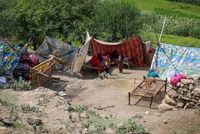
Norwegian Refugee Council warns aid cuts threaten re-displacement of Kunar earthquake victims
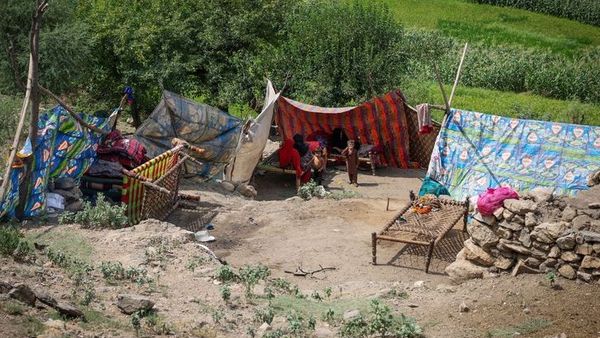
The Norwegian Refugee Council warns that funding cuts risk halting aid for Kunar earthquake victims, potentially re-displacing thousands still living in tents six months after the disaster. Save the Children highlights damaged shelters, fire risks and educational disruptions affecting 50,000 children.
Bayat Foundation expands Ramadan aid to families in Ghazni province
The Bayat Foundation provided food packages to vulnerable families in Ghazni province amid its annual Ramadan aid program, after a similar effort in Farah. The initiative targets poor households, including migrants, and will extend to other areas including Kabul.