
ICRC Warns of Worsening Water Crisis in Afghanistan
The International Committee of the Red Cross (ICRC) has warned that Afghanistan's water crisis is worsening, with reduced rainfall, groundwater depletion, the return of millions of migrants, rapid population growth, years of conflict, climate change and underdeveloped infrastructure turning the search for drinking water into a daily battle for millions.
Access to safe and affordable drinking water is severely limited in both urban and rural areas, including major cities such as Kabul, Kandahar and Mazar-i-Sharif. Families are often forced to use unsafe surface water or travel long distances for supplies, with women and children bearing the heaviest burden.
In Kandahar, the situation is particularly dire, with many wells dried up and water levels in others reaching depths of more than 100 meters. Fazlur Rahman, a local elder in Kandahar's 9th district, said: "Water is the biggest problem in our community. Even deep wells do not provide enough water, and most families cannot afford to dig private wells." He added that the crisis has led children to miss school to fetch water.
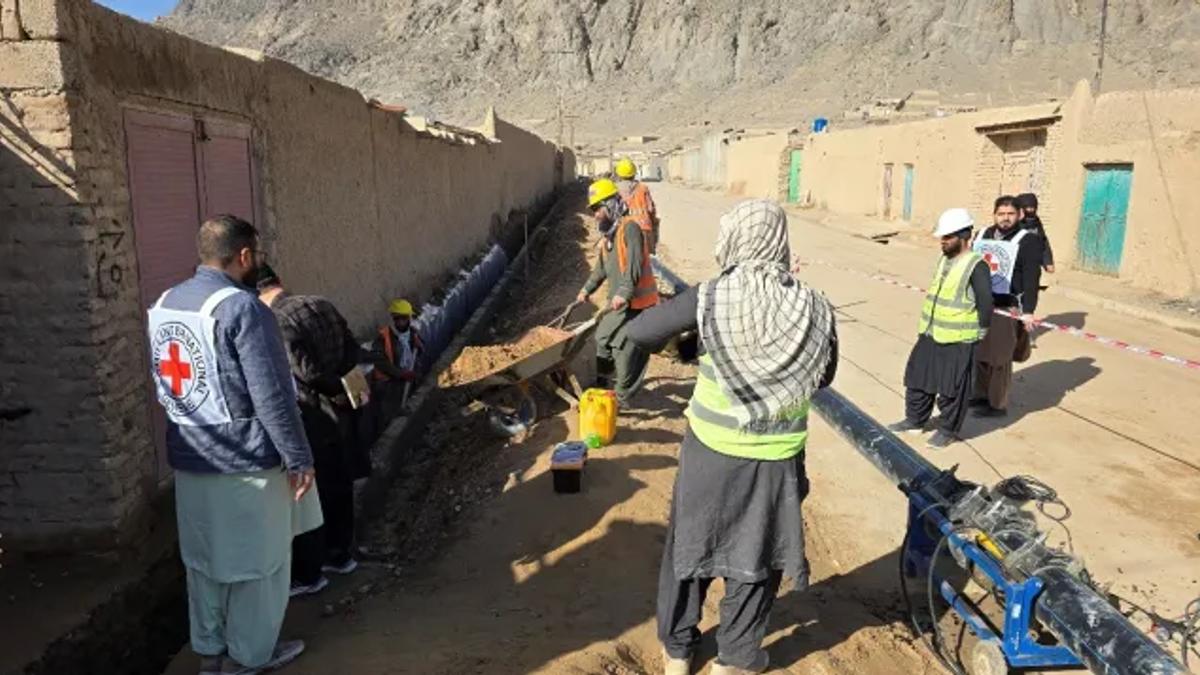
In 2025, the ICRC improved water access for nearly one million people, including more than 775,000 in urban areas and about 160,300 in rural areas. Current projects include a water supply system upgrade in Kandahar expected to benefit 106,300 people, as well as rehabilitation of irrigation systems, canals and karezes. The organization also provided emergency water and sanitation services to more than 27,000 people following the Konar earthquake and border tensions between Afghanistan and Pakistan.
The ICRC stated that water shortages threaten agriculture, increase risks of food insecurity, malnutrition and waterborne diseases, and exacerbate community tensions over resources. It emphasized that humanitarian aid alone is insufficient, calling for long-term investments in water infrastructure, better resource management and coordination between national institutions and local communities.
Know more about this story?
If you have additional information or believe something is inaccurate, let us know. Your tips help us stay accurate.
Where reports agree
- ICRC/Red Cross issued a statement warning of worsening water crisis in Afghanistan
- Women and children disproportionately affected by water shortages
- ICRC improved water access for nearly 1 million people in 2025
- Families face challenges traveling long distances for water
Where reports differ
- Specific cities and Kandahar details (e.g., well depths, local quote) only in Amu TV
- Detailed impacts (agriculture, diseases, tensions) and ICRC projects only in Amu TV
- Broader causes (conflict, climate, infrastructure) emphasized more in Khaama Press
More in Society

Vitamin D Deficiency Widespread Among Women and Children in Afghanistan

Female Students in Kabul Urge Islamic Emirate to Reopen Girls' Schools
Kabul Residents Report Severe Water Shortages on World Water Day
Kunar Earthquake Victims Spend Eid al-Fitr in Tents
 Reliable
Vitamin D Deficiency Widespread Among Women and Children in Afghanistan
Vitamin D deficiency is prevalent in Afghanistan, especially among women and children, causing bone weakness, fatigue and other health issues due to limited sun exposure and poor nutrition, experts say. Health specialists recommend daily sunlight, vitamin-rich foods and medical checks to address it.
 Reliable
Female Students in Kabul Urge Islamic Emirate to Reopen Girls' Schools
Female students in Kabul, including Mojdeh, Sama and Hasnia, are calling on the Islamic Emirate of Afghanistan to reopen girls' schools amid prolonged closures. Activists like Lamia Shirzai warn of rights violations and risks to the nation's future.
ReliableKabul Residents Report Severe Water Shortages on World Water Day
Residents of Kabul's 10th district Chaqark area report waiting hours daily with up to 250 barrels for scarce drinking water on World Water Day. UNESCO, IOM and experts highlight global water access issues affecting billions, with calls for better management and gender equality.
 Reliable
Kunar Earthquake Victims Spend Eid al-Fitr in Tents
Victims of a deadly earthquake in Kunar province marked Eid al-Fitr in tents seven months after the disaster that killed over 2,200 people and destroyed thousands of homes. Officials say reconstruction efforts by the Islamic Emirate are underway with assistance from aid groups.