

High Internet Costs and Lack of Equipment Deprive Girls of Online Education
The Taliban closed schools and universities to girls above the sixth grade after taking control of Afghanistan. In response, some organizations and women launched online classes, but many out-of-school girls say they cannot participate due to lack of access to smartphones and internet.
The girls report that internet package costs are high and their families cannot afford monthly payments. Even educational TV programs are unusable due to irregular electricity. They live in large families with only one basic phone controlled by the family head. In interviews, the girls and their families called for reopening schools, warning that continued deprivation threatens girls' futures.
Families in remote areas say there is no internet coverage, and many girls lack familiarity with online apps and guidance. They suggest radio programs as an alternative if in-person and online education remain unavailable.
Khushboo Yusufi, who dreamed of higher education and contributing to the country, now spends her days doing housework. She said, "I was in 10th grade when I was kept out of school. Lack of internet and digital devices has seriously disrupted my studies." Her father added that economic conditions and internet issues make online classes difficult, expressing worry over her future and urging the Taliban to reopen educational institutions.
Khalida from Balkh said many girls around her lack phones due to poverty, unemployment, high internet costs, and irregular online class schedules. "These classes cannot fully replace school but are at least some consolation," she said.
Hidayat from Baghlan noted that local culture prevents girls from using phones, as male family members do not allow it, blocking online participation. He hopes schools will reopen and families will prioritize girls' education.
UNICEF previously stated that over 2.2 million adolescent girls in Afghanistan will be deprived of education by the end of 2025, warning that widespread returns of Afghan migrants from neighboring countries could worsen the situation.
Know more about this story?
If you have additional information or believe something is inaccurate, let us know. Your tips help us stay accurate.
More in Society

Former Minister Abdul Bari Jahani Calls Tarawih Prayer a 'Bid'ah'

Magnitude 5.8 earthquake strikes northeastern Afghanistan

Afghanistan Football Federation to Introduce New National Team Coach in Kabul
Taliban leader issues new criminal code permitting husbands to beat wives without visible injuries
 Reliable
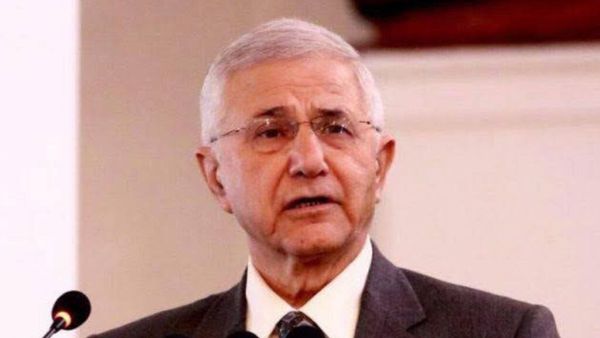
Former Minister Abdul Bari Jahani Calls Tarawih Prayer a 'Bid'ah'
Abdul Bari Jahani, former Afghan minister and national anthem poet, claimed the Tarawih prayer is a 'bid'ah' not found in the Quran or Hadiths and attributed to Umar bin Khattab, prompting diverse reactions on social media.
 Reliable
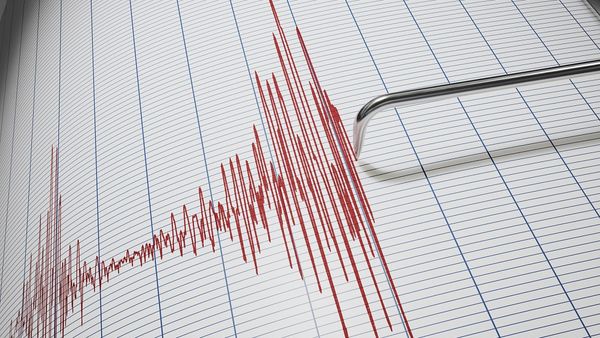
Magnitude 5.8 earthquake strikes northeastern Afghanistan
A 5.8-magnitude earthquake hit northeastern Afghanistan on Thursday evening at a depth of 90.7 kilometers, according to the U.S. Geological Survey, with no immediate reports of casualties or damage.
 Reliable
Afghanistan Football Federation to Introduce New National Team Coach in Kabul
Afghanistan Football Federation will introduce Brazilian coach Jose Antonio Nogueria as new national team head in Kabul tomorrow, amid calls for stability in Afghan football.
 Unverified
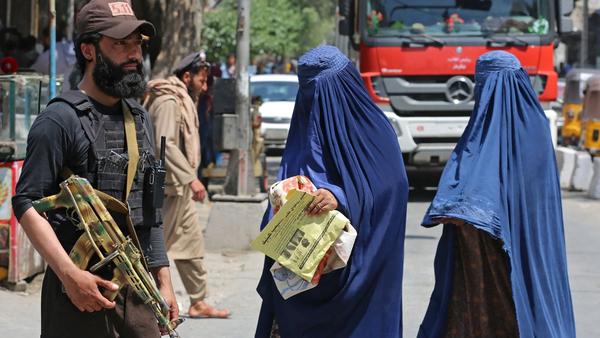
Taliban leader issues new criminal code permitting husbands to beat wives without visible injuries
A new Taliban criminal code reportedly allows husbands to beat wives without causing visible injuries or broken bones, with strict conditions for women to file complaints. Penalties for women fleeing abuse are also outlined, up to three months in prison.