
SOCIETY — July 29, 2026
Herat Girls Report Loss of Hope After Five Years Barred From Secondary Schools
Affected girls say many have been pushed into early marriages while interest in leaving the country has increased among young people. Repeated appeals for the schools to reopen have come from the United Nations and rights groups.
The Ehtebar Desk — originates with Hasht-e Subh — 2 min read
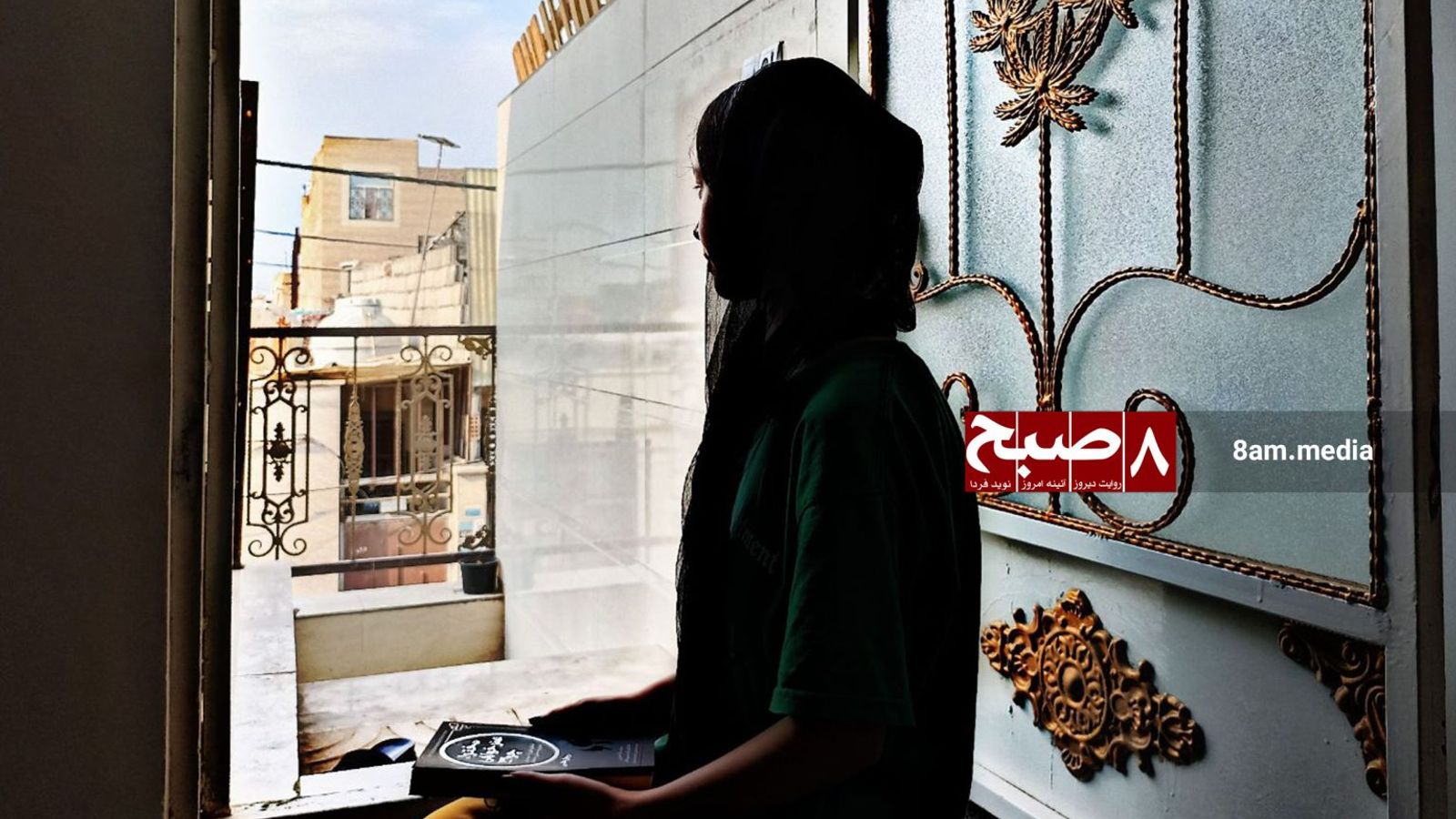
Female students in Herat say five years without access to secondary education have eliminated their prospects for careers or further study inside Afghanistan.
Those affected describe being forced into early marriages during the period of closure. They also report a sharp rise in interest among young people in leaving the country.
The United Nations, women's rights activists, civil institutions and families have issued repeated calls for the immediate reopening of girls' secondary schools.
Students interviewed in the province stated that the prolonged absence from classrooms has destroyed their previous expectations of a better future. Several noted that the lack of educational opportunities has directly contributed to decisions by families to arrange marriages for girls who would otherwise have remained in school.
Youth in the area have increasingly discussed migration as an alternative path, according to the accounts gathered from affected students. The pattern of school closures affecting secondary-level girls has persisted without change for the full five-year span.
Domestic and international appeals for resumption of classes have continued without producing a reversal of the policy. The students' statements reflect a shared view that the extended interruption has created lasting barriers to personal advancement.
Read the original reporting at Hasht-e Subh →
Reliability assessment
Single source provides direct quotes from affected students in Herat on a well-documented policy; core event of school closures is corroborated by the outlet's on-the-ground reporting
The source language mixes facts with framing or advocacy wording. Hasht-e Subh: "destroyed our hope for a better future", "no clear prospect", "forced into marriage" — these phrases emotionally frame the policy's impact as devastating and hopeless, adding mild advocacy tone to the reporting.
Independent web corroboration
An independent web search turned up no separate corroborating reports. Treat the account as single-sourced until more outlets pick it up.
Across the newsrooms
Filed by
Hasht-e Subh
Originating
Framed
Framed
Filed under
Society — Girls Education, Herat, Women's Rights, Taliban Policies
Reader supported
Keep Ehtebar running
Every published story uses paid tools to translate reporting, compare sources, extract claims, and produce a clearer read on Afghanistan. Reader support helps keep that work independent.
€5
helps cover daily verification runs
€15
supports a week of source comparison
€50
keeps independent analysis moving
More in Society
Health Officials and Experts Discuss Rise in Black Jaundice Cases in Afghanistan
— Reliable
Discussion on Agricultural Products and Health Services in Samangan Province
— Reliable
WHO Report Cites Taliban Restrictions and Funding Shortfalls as Threats to Health Services in Afghanistan
— Reliable
Afghan officials report returns of families from Pakistan and Iran alongside releases from Pakistani prisons
— Reliable