
Hasht-e Subh: Taliban's 'Penal Principles Charter for Courts' Violates Fundamental Human Rights
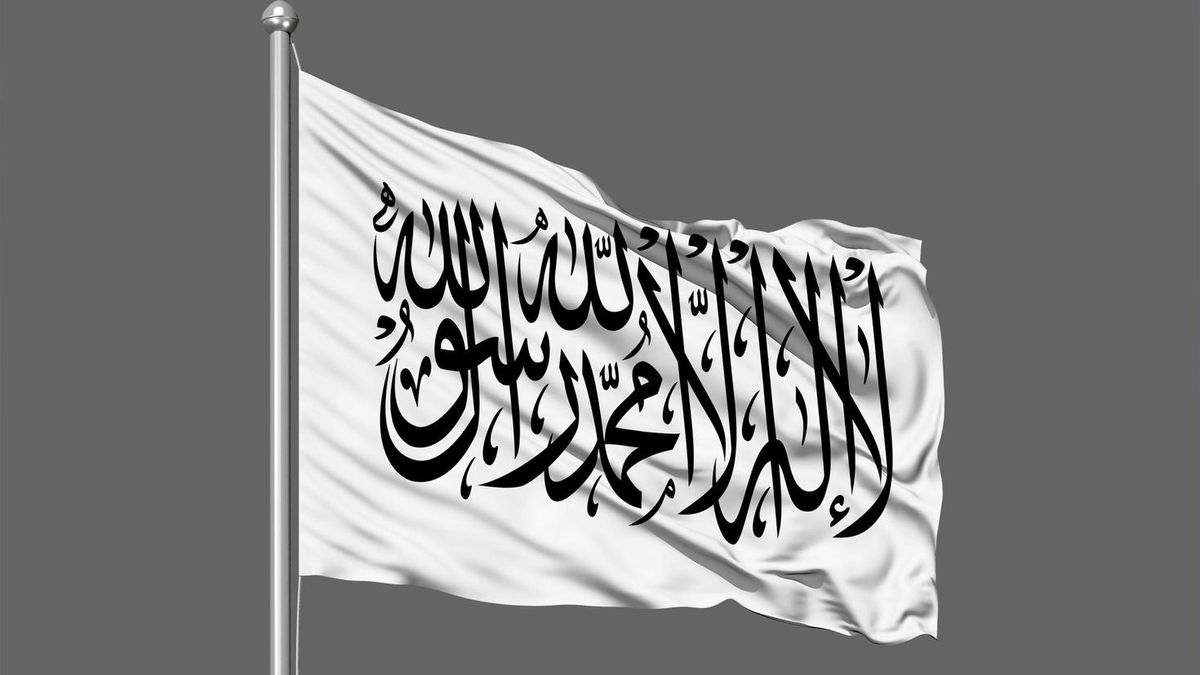
Hasht-e Subh has published an analysis of a document issued by the Taliban titled 'Penal Principles Charter for Courts,' which it describes as openly violating fundamental human rights and human values. The outlet states that the charter breaches human dignity by promoting various cruel, inhuman, and degrading punishments, including torture and public corporal penalties.
The analysis highlights the document's use of terms such as 'ghulam' (slave) and 'malik/badar' (owner/master), interpreting this as an effort to revive slavery within a pseudo-legal framework. It cites Article 15, which states: 'For any crime without a specified hudud punishment, ta'zir is applied, whether the offender is free or a ghulam.' Article 4, clause 5, is quoted as saying: 'Implementation of hudud punishments falls to the imam, but ta'zir punishments can be carried out by the husband or owner/master.'
Hasht-e Subh argues that these references presuppose the existence of slaves as a social reality and recognize ownership of humans by granting punitive authority to owners. It views this as reflective of the Taliban's societal outlook, portraying Afghanistan as a hierarchical society with masters and owned classes, akin to dark historical periods.
The outlet provides historical context, noting that slavery was officially abolished during King Amanullah Khan's reign, though remnants persisted. It contrasts the charter with international law, citing Universal Declaration of Human Rights Article 4 prohibiting slavery in all forms, and the Slavery Convention obliging states to prevent and eradicate it. The analysis classifies slavery's prohibition as a jus cogens norm in international law, binding regardless of domestic laws or traditions.
Hasht-e Subh contends that the charter systematizes discrimination based on gender, religion, and social class, undermining equality before the law and freedoms. It warns of broader consequences, including normalization of systematic human rights violations, perpetuation of violence from family to societal levels, and institutionalization of discrimination.
More in Politics
Taliban leader swaps transport minister with defense ministry deputy
Fazl-ur-Rehman: U.S. Using Pakistan Against Russia and China in Afghanistan

Taliban declares nearly 2,000 jeribs of land in Ghazni township as government property

Amrullah Saleh alleges Uzbek firm delivers US cash to Taliban
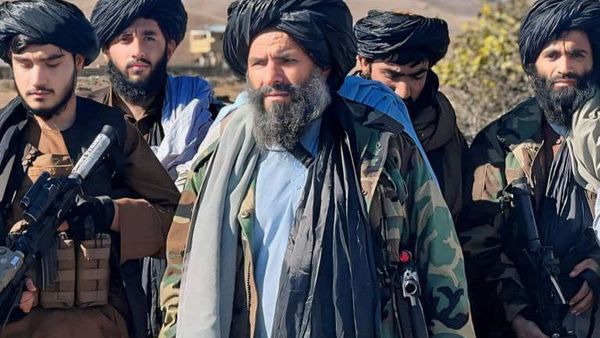 Reliable
Taliban leader swaps transport minister with defense ministry deputy
Taliban leader Hibatullah Akhundzada ordered a swap between the transport and civil aviation minister and a defense ministry deputy, alongside gubernatorial appointments in Parwan and Daikundi, according to spokesperson Zabiullah Mujahid. Citizens have voiced concerns over job losses amid rising poverty.
 Reliable
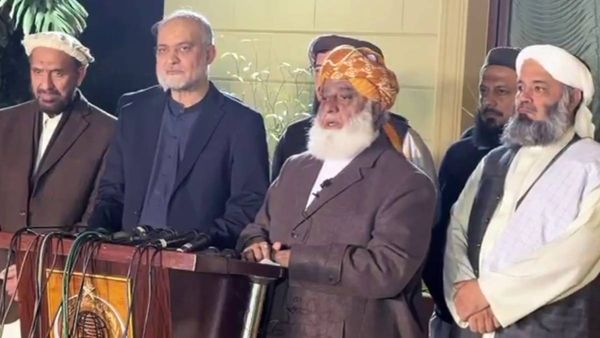
Fazl-ur-Rehman: U.S. Using Pakistan Against Russia and China in Afghanistan
Pakistani religious leaders Maulana Fazl-ur-Rehman and Hafiz Naeem-ur-Rehman urged a review of Pakistan's policies toward Afghanistan, accusing the U.S. of using Islamabad to counter Russian and Chinese investments there.
 Reliable
Taliban declares nearly 2,000 jeribs of land in Ghazni township as government property
Taliban Ministry of Justice says its commission identified 1,730 jeribs of land in Ghazni's Sultan Mahmoud Ghaznavi Township as government property, with 915 jeribs previously occupied.
 Developing
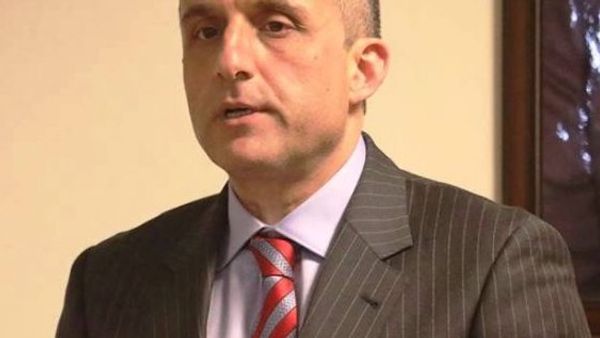
Amrullah Saleh alleges Uzbek firm delivers US cash to Taliban
Amrullah Saleh accused an Uzbek company linked to a US firm of secretly flying $40 million in US cash to the Taliban, questioning official denials of direct funding. US officials maintain aid goes through international channels.