
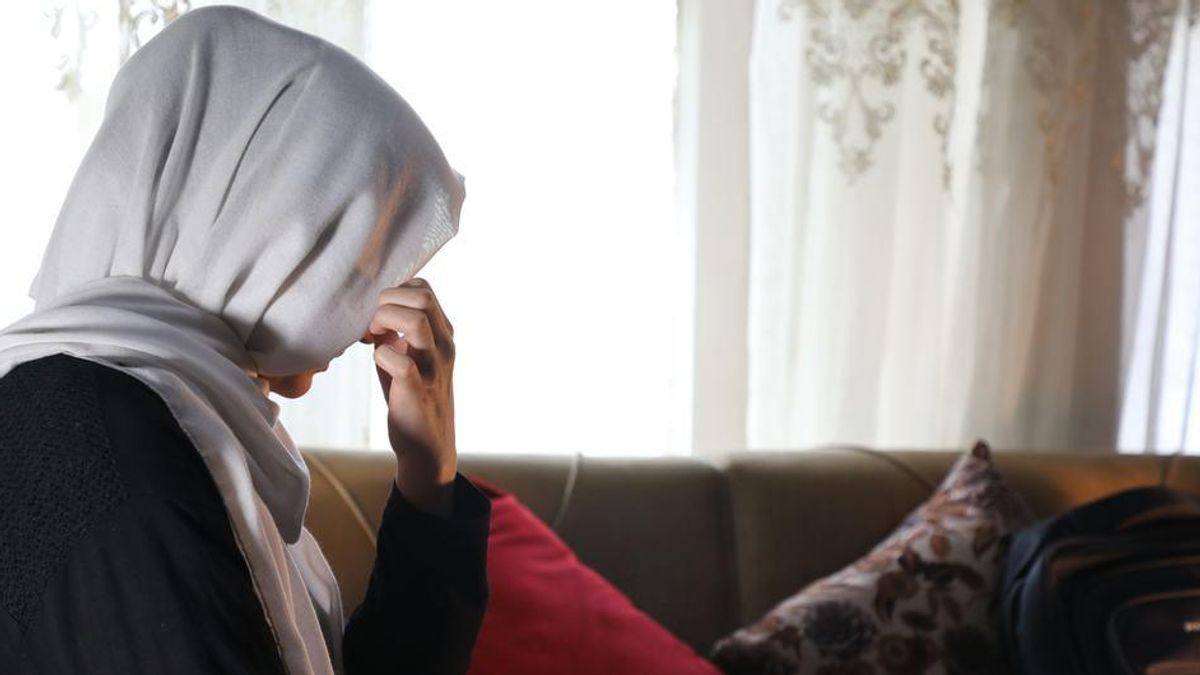
Hasht-e Subh Publishes Poetic Essay on Despair Following Kabul's Fall
Hasht-e Subh has published an essay titled 'Our Other Name is Sorrow,' reflecting on the aftermath of Kabul's fall. The piece describes widespread panic as darkness returned, history repeated with oppression taking hold, and bitter memories resurfacing. Women reportedly hid in fear, people panicked and lost direction, soldiers abandoned positions, and leaders conceded defeat. The wealthy escaped while the poor could not.
New rulers declared the war over, security restored, and religion as pure and unquestionable, with harsh punishments for non-acceptance. The essay states that everyone appeared relieved except 'us'—those who valued the pen, saw schools as homeland, and dreamed of universities. Women in a male-dominated government sought rights but faced suppression as darkness spread.
The narrative portrays 365 days without spring, seasons as endless autumn, days as nights, and nights as black. It depicts frozen despair, breathing in cages, walking in darkness, and enduring suffering while alive. Hopes lie buried under rubble, fallen with Kabul, lost in war, or veiled in poverty; dreams caged or silenced by moral policing cries.
Future generations may mock weakness or rulers, the essay muses, where dreams die unjustly, joys mutilated, mourning banned. A recurring painful refrain: 'This is not the end here, darkness continues.'
Know more about this story?
If you have additional information or believe something is inaccurate, let us know. Your tips help us stay accurate.
More in Society
Former Minister Abdul Bari Jahani Calls Tarawih Prayer a 'Bid'ah'

Magnitude 5.8 earthquake strikes northeastern Afghanistan

Afghanistan Football Federation to Introduce New National Team Coach in Kabul
Taliban leader issues new criminal code permitting husbands to beat wives without visible injuries
 Reliable
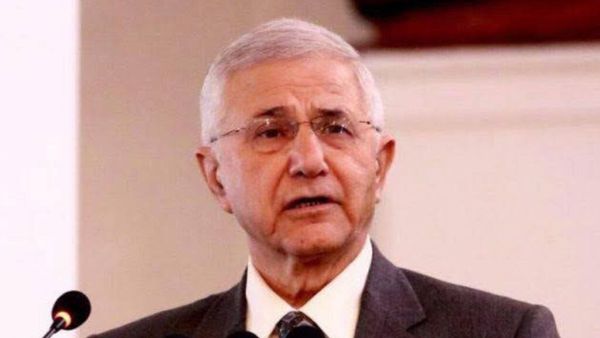
Former Minister Abdul Bari Jahani Calls Tarawih Prayer a 'Bid'ah'
Abdul Bari Jahani, former Afghan minister and national anthem poet, claimed the Tarawih prayer is a 'bid'ah' not found in the Quran or Hadiths and attributed to Umar bin Khattab, prompting diverse reactions on social media.
 Reliable
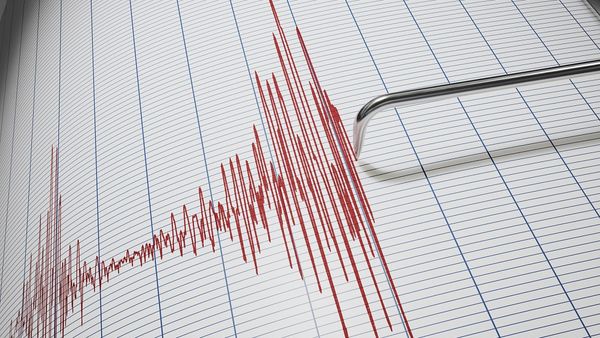
Magnitude 5.8 earthquake strikes northeastern Afghanistan
A 5.8-magnitude earthquake hit northeastern Afghanistan on Thursday evening at a depth of 90.7 kilometers, according to the U.S. Geological Survey, with no immediate reports of casualties or damage.
 Reliable
Afghanistan Football Federation to Introduce New National Team Coach in Kabul
Afghanistan Football Federation will introduce Brazilian coach Jose Antonio Nogueria as new national team head in Kabul tomorrow, amid calls for stability in Afghan football.
 Unverified
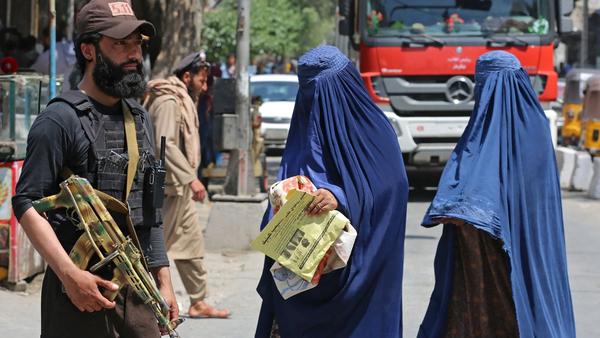
Taliban leader issues new criminal code permitting husbands to beat wives without visible injuries
A new Taliban criminal code reportedly allows husbands to beat wives without causing visible injuries or broken bones, with strict conditions for women to file complaints. Penalties for women fleeing abuse are also outlined, up to three months in prison.