
Hasht-e Subh: Nation-Building or Intellectual Illusion?
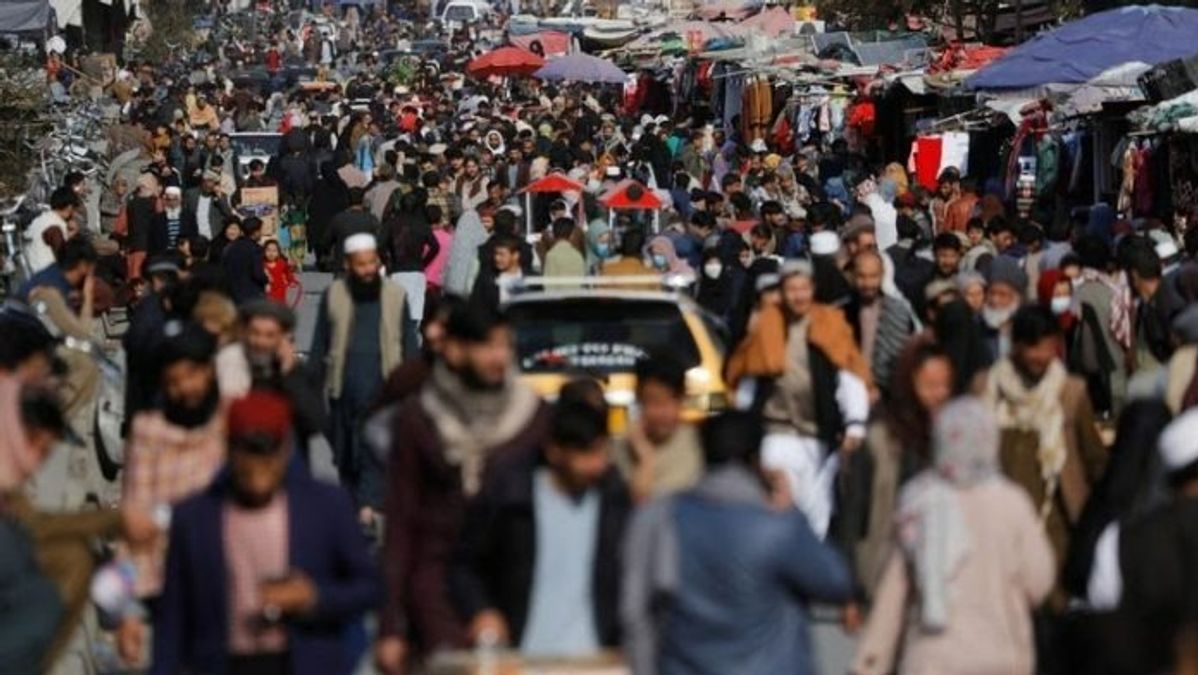
In an opinion piece titled 'Nation-Building or Intellectual Illusion?', Hasht-e Subh argues that the concept of 'nation' in Afghanistan has become more of a frequently invoked slogan than a lived reality. Politicians mention it, intellectuals write about it, civil activists shout it, and media repeat it, but few dare to question whether Afghanistan has actually become a nation or is merely repeating a collective wish, the piece states.
The article contends that a nation is not a natural phenomenon but is built through accumulated historical experience, enduring institution-building, continuous education, and agreement on political rules. It emerges when people with different languages, cultures, and memories accept living under a single law and equal rights. Without this, society remains islands of distrust sharing only geographic borders.
Intellectuals can bridge thought and reality, understand societal pain, and propose practical solutions, or they can deepen the crisis by remaining in ivory towers with abstract concepts, according to the author. Repeated terms like national identity, unity, solidarity, and shared culture have not translated into social structures, creating a deep gap between rhetoric and action that younger generations feel acutely.
The piece highlights the lack of agreement on the definition of 'us,' with each social group carrying conflicting historical memories and unhealed wounds fostering distrust. Nation-building requires reconciliation with the past—not forgetting, but accepting complexity and shared responsibility. It criticizes extreme personalization of politics, where weak institutions lead to reliance on individuals, undermining institutionalization and legal supremacy.
Trust is described as the hidden capital of any nation, essential for cooperation and development. Chronic distrust turns society into closed networks, weakening political belonging. The youth, facing unemployment, migration, insecurity, and structural limits amid grand narratives of history and identity, experience disillusionment. True nation-building demands equal opportunities, quality education, and real participation.
The author calls for courage in self-criticism, where groups acknowledge their role in perpetuating distrust and discrimination, enabling honest dialogue. Intellectuals must first critique themselves to move beyond illusion.
Know more about this story?
If you have additional information or believe something is inaccurate, let us know. Your tips help us stay accurate.
More in Society
Former Minister Abdul Bari Jahani Calls Tarawih Prayer a 'Bid'ah'

Magnitude 5.8 earthquake strikes northeastern Afghanistan

Afghanistan Football Federation to Introduce New National Team Coach in Kabul
Taliban leader issues new criminal code permitting husbands to beat wives without visible injuries
 Reliable
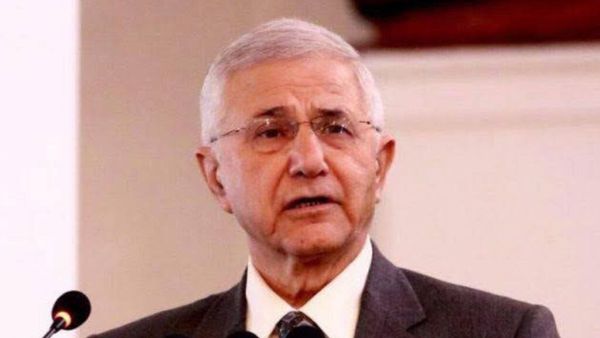
Former Minister Abdul Bari Jahani Calls Tarawih Prayer a 'Bid'ah'
Abdul Bari Jahani, former Afghan minister and national anthem poet, claimed the Tarawih prayer is a 'bid'ah' not found in the Quran or Hadiths and attributed to Umar bin Khattab, prompting diverse reactions on social media.
 Reliable
Magnitude 5.8 earthquake strikes northeastern Afghanistan
A 5.8-magnitude earthquake hit northeastern Afghanistan on Thursday evening at a depth of 90.7 kilometers, according to the U.S. Geological Survey, with no immediate reports of casualties or damage.
 Reliable
Afghanistan Football Federation to Introduce New National Team Coach in Kabul
Afghanistan Football Federation will introduce Brazilian coach Jose Antonio Nogueria as new national team head in Kabul tomorrow, amid calls for stability in Afghan football.
 Unverified
Taliban leader issues new criminal code permitting husbands to beat wives without visible injuries
A new Taliban criminal code reportedly allows husbands to beat wives without causing visible injuries or broken bones, with strict conditions for women to file complaints. Penalties for women fleeing abuse are also outlined, up to three months in prison.