

Germany Defends Stricter Migration Controls and Deportation of Criminal Asylum Seekers
German minister Alexander Dobrindt has defended the country’s stricter migration policies, emphasizing tougher border controls and the deportation of asylum seekers convicted of crimes. Dobrindt stated that the measures have contributed to a notable decline in asylum applications and reinforced European Union border enforcement efforts.
According to official figures, Germany currently rejects between two thousand and three thousand asylum claims each month. The total number of applications has decreased from approximately three hundred fifty thousand in twenty twenty-three to around one hundred seventy thousand in twenty twenty-five. Dobrindt attributed this reduction to enhanced screening procedures and coordinated security measures across the bloc.
To facilitate the return of Afghan nationals, German authorities have reportedly maintained indirect contacts with the Taliban. This approach has drawn scrutiny from human rights organizations, which warn that deportations to Afghanistan pose significant security risks and lack adequate safeguards for returnees. Critics argue that the policy compromises international protection standards and endangers vulnerable individuals.
Meanwhile, neighboring Austria is reportedly exploring alternative deportation routes for Afghan migrants, including transit through Uzbekistan. The broader European debate over migration management continues to balance security priorities with humanitarian obligations. Dobrindt maintained that the current framework is necessary to uphold public order and ensure that asylum systems are not exploited by individuals with criminal records.
Know more about this story?
If you have additional information or believe something is inaccurate, let us know. Your tips help us stay accurate.
More in International

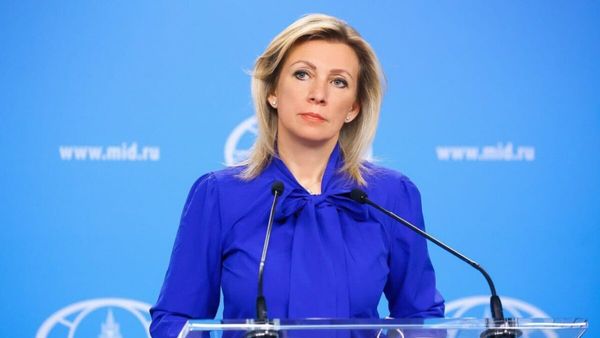
Russia Offers Diplomatic Assistance to Resolve Persian Gulf Disputes

Allegations of Discrimination and Arbitrary Dismissals in U.S. Military Leadership

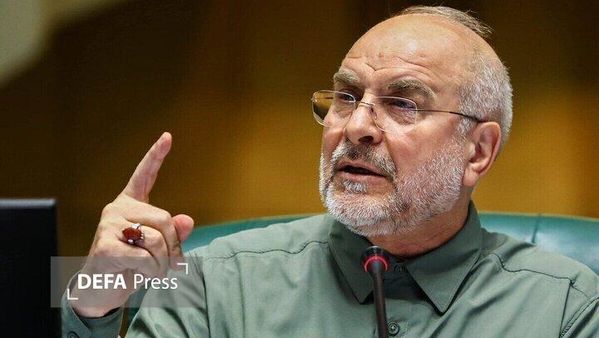
Iranian Speaker Warns of Escalating Hormuz Standoff as U.S. Issues Warnings
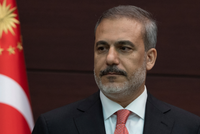
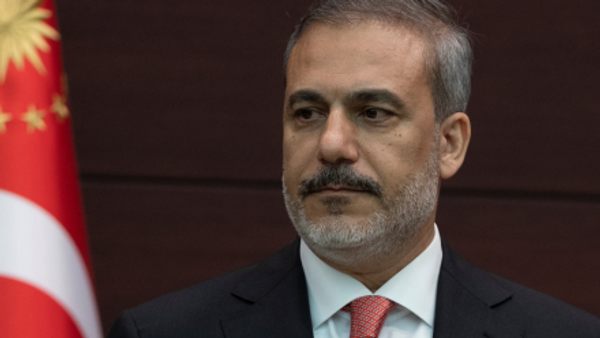
Turkish and Qatari Foreign Ministers Discuss Middle East Tensions, US-Iran Diplomacy
 Reliable
Russia Offers Diplomatic Assistance to Resolve Persian Gulf Disputes
Russia’s Foreign Ministry has offered to mediate Persian Gulf tensions through diplomatic channels following recent Iranian strikes on UAE facilities and warnings from Donald Trump regarding potential attacks on United States vessels.
 Reliable
Allegations of Discrimination and Arbitrary Dismissals in U.S. Military Leadership
Allegations have emerged that twenty-four U.S. generals were dismissed under the Trump administration, with critics claiming the removals disproportionately target women and Black Americans and reflect centralized, arbitrary decision-making at the Pentagon.
 Reliable
Iranian Speaker Warns of Escalating Hormuz Standoff as U.S. Issues Warnings
Iranian Speaker Mohammad Bagher Ghalibaf warned that Tehran’s actions in the Strait of Hormuz are only beginning, while Donald Trump cautioned Iran over its oil sector and nuclear ambitions. Tensions continue to rise as officials on both sides exchange warnings amid regional security concerns.
 Reliable
Turkish and Qatari Foreign Ministers Discuss Middle East Tensions, US-Iran Diplomacy
Turkish and Qatari foreign ministers held a phone call to discuss Middle East tensions and US-Iran diplomatic efforts, emphasizing sustained dialogue to maintain regional stability.