SOCIETY — July 4, 2026
Gandumin Magazine Collects Personal Memories of Girls' Education in Afghanistan
The issue gathers accounts from the opening of the first girls' school in 1920 through active cultural life in the 1950s-1970s, including debates on evolution and student protests, before later closures.
The Ehtebar Desk — originates with Afghanistan International — 2 min read
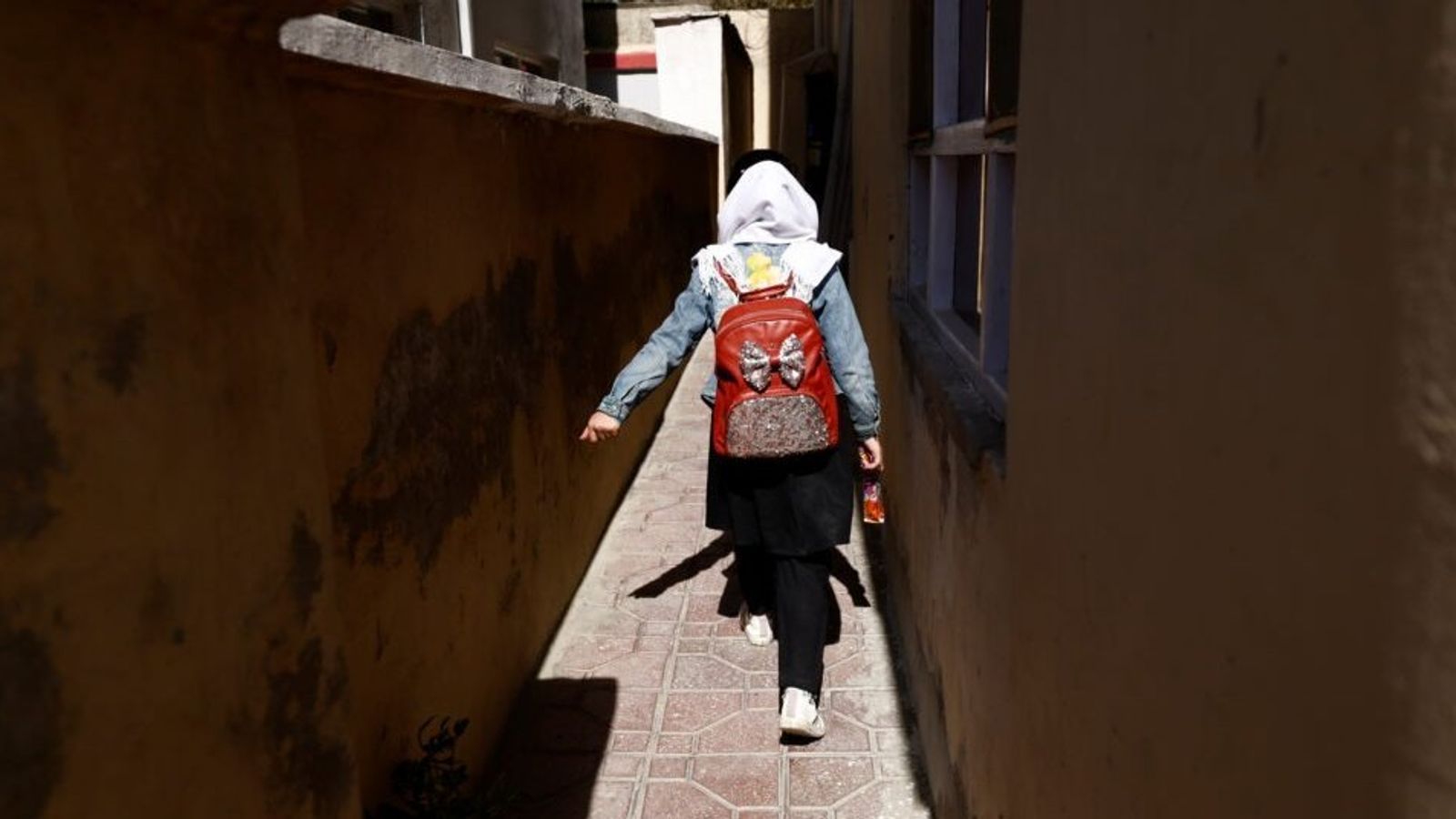
The online magazine Gandumin has published an issue devoted to personal narratives from Afghan women recalling their years in school across a century.
Editor-in-chief Beheshta Khorram said the collection was assembled to gather accounts of school days, classmates, teachers, dreams, and memories from different periods.
The first girls' school opened in Kabul in 1920 during the time of Amanullah Khan and Queen Soraya and began with around 40 students.
In the 1950s to 1970s under Zahir Shah, girls' education was active in Afghan cities, with tens of thousands of students taking part in theater, sports, magazine publishing, and debates that included discussion of Darwin's theory of evolution as well as events such as Human Rights Day.
Amelia Najmi, who attended Rabia Balkhi High School in the 1950s, described playing basketball, serving on cultural committees, attending theater performances, and joining a protest after a question about Darwin's theory appeared in a religious studies class.
Soraya Baha and other former students recalled schools as spaces for cultural and political activity, including the publication of magazines that featured revolutionary women.
The accounts also cover later decades marked by political upheaval, war, and religious fundamentalism that repeatedly interrupted girls' education.
Read the original reporting at Afghanistan International →
Reliability assessment
Single source provides direct on-record attribution from named editor Beheshta Khorram along with named personal accounts (e.g., Amelia Najmi) and specific historical details; the verifiable facts are the statements and published narratives themselves.
The source language mixes facts with framing or advocacy wording. Afghanistan International: "right to education" which should stand above ideologies and governments; "waves of religious fundamentalism"; "education girls was effectively halted and classrooms fell silent" – these phrases frame historical shifts with advocacy for education rights and negative emotional loading on periods of restriction and fundamentalism.
Independent web corroboration
An independent web search turned up no separate corroborating reports. Treat the account as single-sourced until more outlets pick it up.
Across the newsrooms
Filed by
Afghanistan International
Originating
Framed
Framed
Filed under
Society — Girls Education, Afghanistan History, Gandumin Magazine, Amanullah Khan, Zahir Shah
Spotted an error or have more on this story? Tip the desk on Telegram → or WhatsApp →.
Reader supported
Keep Ehtebar running
Every published story uses paid tools to translate reporting, compare sources, extract claims, and produce a clearer read on Afghanistan. Reader support helps keep that work independent.
€5
helps cover daily verification runs
€15
supports a week of source comparison
€50
keeps independent analysis moving