
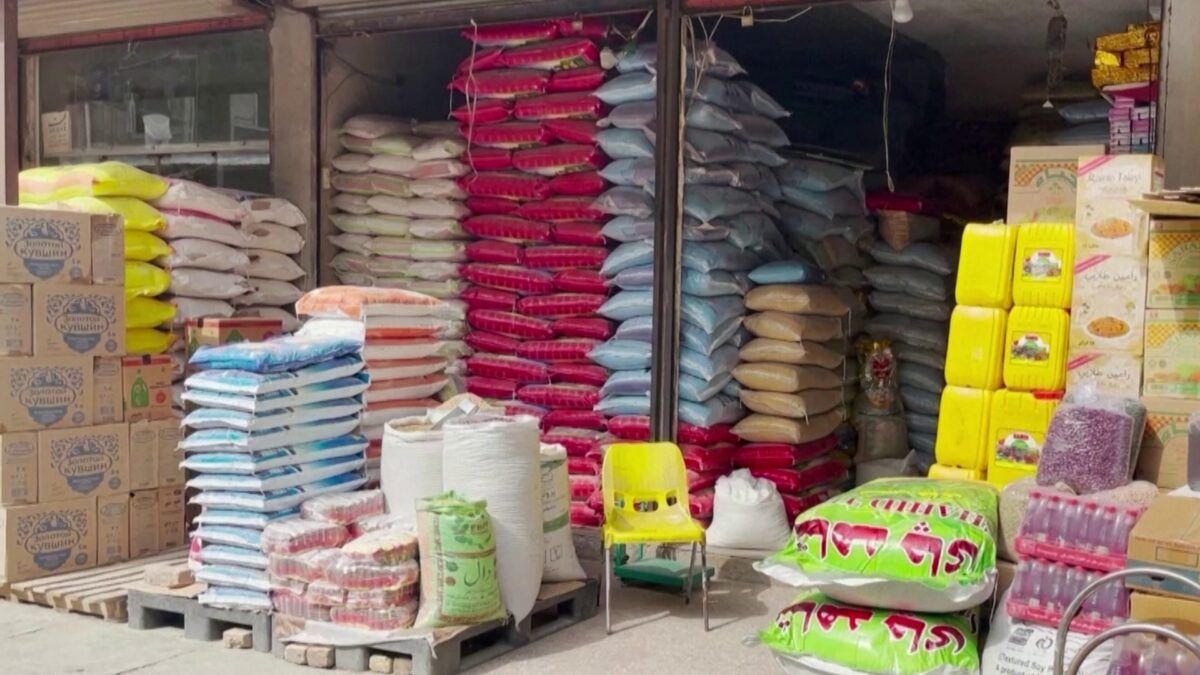
Food Prices in Afghanistan Rise by Up to 47 Percent, World Food Programme Reports
The World Food Programme says food prices in Afghanistan have increased by up to 47 percent compared to the same period last year.
Its latest report for the second week of April shows rice prices have gone up by 24 to 47 percent, wheat by about 20 percent, cooking oil by 10 percent and sugar by nearly 19 percent.
The agency notes that weekly price changes remain limited for most items, although liquefied petroleum gas prices continue to increase. Approximately 60 percent of imports are now entering through the Islam Qala border crossing with Iran, a shift that has raised transportation costs along western and northern supply routes.
Prices for non-food items have also risen, with diesel up 14 percent year on year and chemical fertilizers increasing by 35 percent in some cases.
The labor market is providing an average of only 1.7 work days per week, significantly affecting household incomes and purchasing power.
Specific impacts are seen in vegetable markets. Lettuce prices fell by more than 10 percent in the past week but are 65 percent higher than last year. Potato prices have nearly doubled because of reduced imports from Iran and stopped shipments from Pakistan.
Taken together, rising costs, supply issues and scarce employment opportunities are placing serious pressure on Afghan families, the World Food Programme report concludes.
Know more about this story?
If you have additional information or believe something is inaccurate, let us know. Your tips help us stay accurate.
Sources (1)
More in Economy
Work Begins on Asqalan-Dasht Archi 220 kV Power Transmission Line in Kunduz
Salma Production Company in Logar Produces 1,300 Kilograms of Pipes Daily
Uzbekistan Launches Bourse-Based Trading Mechanism with Afghanistan

Afghan Standards Authority Returns 40 Tonnes of Substandard Steel from Islam Qala
 Reliable
Work Begins on Asqalan-Dasht Archi 220 kV Power Transmission Line in Kunduz
Officials with the Islamic Emirate of Afghanistan have launched construction of a 45 km 220 kV power transmission line in Kunduz province that is expected to provide electricity to tens of thousands and create jobs.
 Reliable
Salma Production Company in Logar Produces 1,300 Kilograms of Pipes Daily
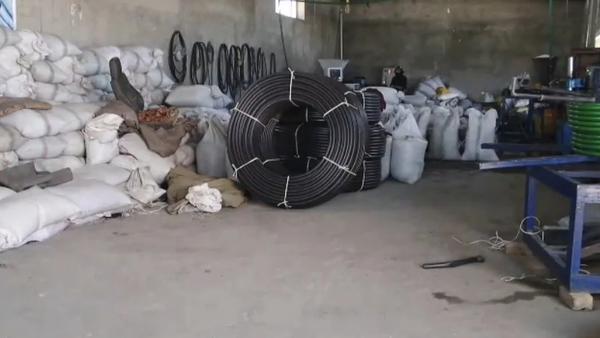
The Salma production company in Logar province produces around 1,300 kilograms of pipes daily from half-inch to 5-inch sizes, providing direct and indirect jobs to about 45 people. With around 85 factories operating in the province to produce various items and reduce imports, company officials are calling for increased investment to support domestic production and create more jobs for youth.
 Reliable
Uzbekistan Launches Bourse-Based Trading Mechanism with Afghanistan
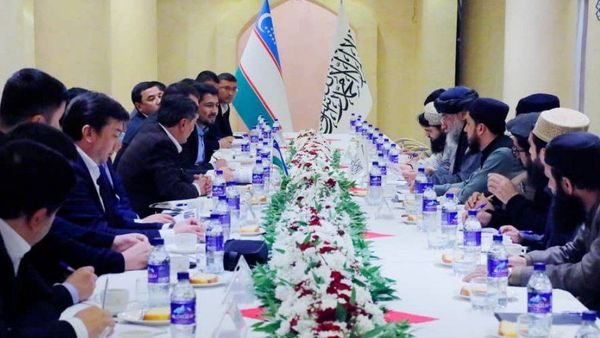
Uzbekistan has launched a bourse-based trading mechanism to simplify and secure trade with Afghanistan using bank guarantees, with partial upfront payments by Afghan buyers and the balance due at the border. The system follows a presidential directive, includes merchant training, and aims to boost bilateral trade despite Uzbekistan not recognizing the Taliban administration while maintaining commercial and political ties including recent deals and oil and gas investments.
 Reliable
Afghan Standards Authority Returns 40 Tonnes of Substandard Steel from Islam Qala
The Afghanistan Standards and Quality Authority returned 40 tonnes of substandard angle iron and more than 26 tonnes of substandard bitumen sheets from Islam Qala port after they failed to meet national standards. The authority emphasized rigorous quality inspections at all ports and urged traders to fulfill their responsibilities by supplying safe, compliant goods.