
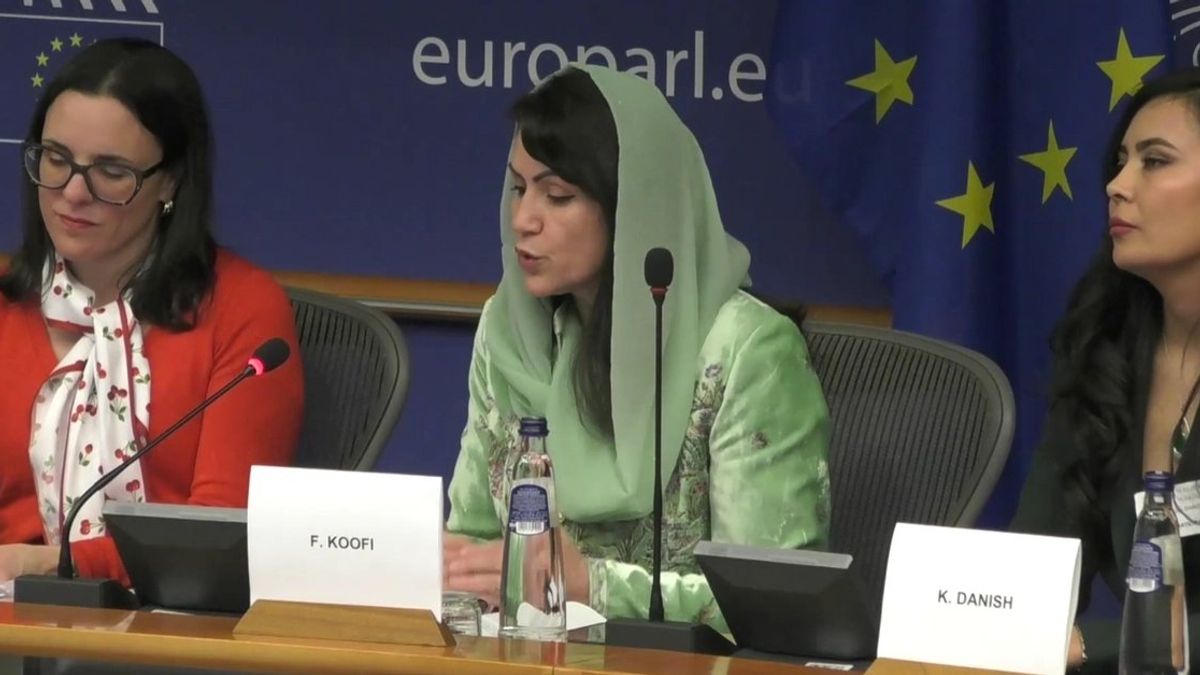
Fawzia Koofi Calls on EU to Pressure Taliban to End Human Rights Violations
Fawzia Koofi, a former member of the Afghan parliament, urged the European Union to pressure the Taliban to end human rights violations and hold violators accountable. Speaking at a two-day meeting of Taliban opponents in the European Parliament that began on Monday, Koofi described the situation for women under Taliban rule as a "gradual death" and accused the group of establishing "gender apartheid."
Koofi said the Taliban have turned Afghanistan into a center for extremist violent groups, contrary to their commitments in the Doha negotiations. She stated that the Taliban have systematically eliminated women from public life through repressive policies and launched a "war against women and anyone who has views opposing theirs." Koofi described the Taliban government as "by the Taliban and for the Taliban," warning that it has made Afghanistan an unreliable partner for the world and unsafe for its citizens.
She called for women's rights, human rights and the formation of an inclusive government to be top priorities in European diplomatic visits to Kabul. Koofi also urged the international community not to strengthen the Taliban if it is not supporting the Afghan people, and advocated accelerating Afghanistan's cases at the International Court of Justice while recognizing "gender apartheid" at the International Criminal Court. She highlighted emerging dialogues among Afghans to form a native narrative for change.
Zalmay Nishat, another speaker, said the Afghan democratic opposition has the capacity to restore human rights and democracy. He warned that the situation threatens Europe's security and stability through increased migration, growth of extremist networks and regional tensions. Nishat emphasized unity among political actors and women's organizations, stating that women's and girls' education is a non-negotiable fundamental Islamic principle with no religious basis for deprivation.
Know more about this story?
If you have additional information or believe something is inaccurate, let us know. Your tips help us stay accurate.
Sources (1)
More in Politics
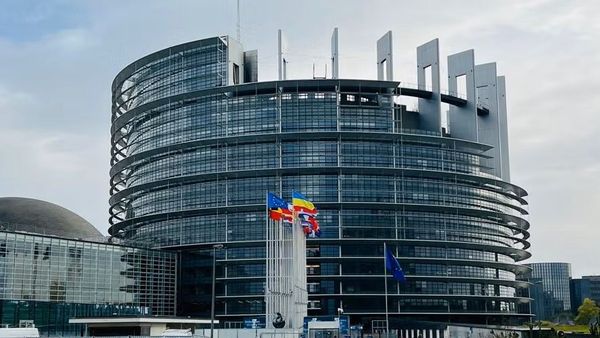
Taliban Opponents' Meeting Begins in European Parliament
Pakistani political figures call for end to clashes with Taliban
Pakistan Invites Prominent Taliban Opponents to Islamabad Meeting After Eid al-Fitr
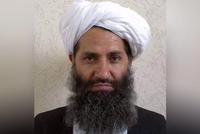
Hibatullah Akhundzada Issues Eid al-Fitr Message Emphasizing Unity and Non-Interference in Afghan Affairs
 Reliable
Taliban Opponents' Meeting Begins in European Parliament
A meeting of Taliban political and military opponents began in the European Parliament on March 16, its first official engagement on the Afghan crisis. Meanwhile, the WHO highlighted rising health issues among Afghan returnees, and Taliban leader Hibatullah Akhundzada issued an Eid message urging unity without addressing border clashes or women's rights.
 Reliable
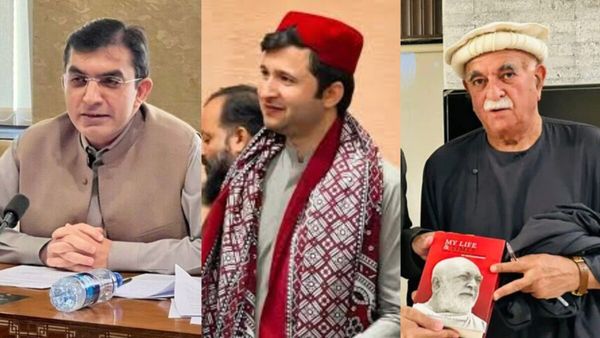
Pakistani political figures call for end to clashes with Taliban
Pakistani politicians Mahmoud Khan Achakzai, Mohsen Dawar and Khushhal Khan Kakar issued a joint statement calling for an end to clashes between the Taliban and Pakistan, citing civilian casualties from Pakistani airstrikes in Afghanistan. They described the tensions as an 'undeclared war' affecting Pashtuns and urged policy changes to promote peace.
 Developing
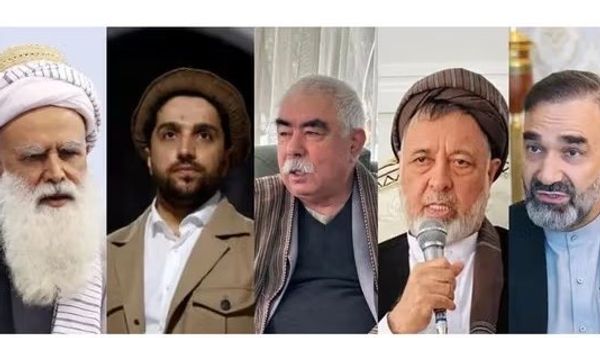
Pakistan Invites Prominent Taliban Opponents to Islamabad Meeting After Eid al-Fitr
Pakistan has invited prominent political and military opponents of the Taliban to Islamabad for a likely meeting after Eid al-Fitr. In separate developments, the Taliban released hundreds of prisoners in Nangarhar and Helmand provinces, while the UN sanctions committee added one Taliban official to its list and removed dozens of others.
 Reliable
Hibatullah Akhundzada Issues Eid al-Fitr Message Emphasizing Unity and Non-Interference in Afghan Affairs
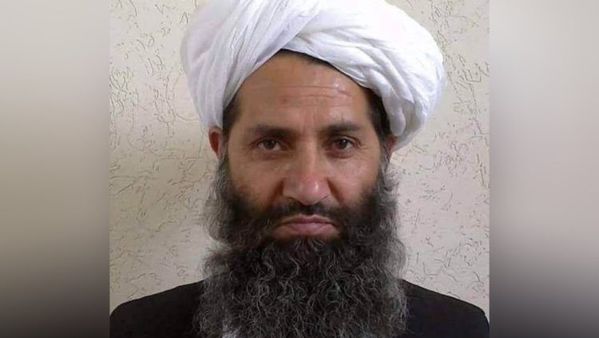
Hibatullah Akhundzada, leader of the Islamic Emirate of Afghanistan, released an Eid al-Fitr message emphasizing unity, obedience, improved security, non-interference in Afghan affairs, and condemnation of global injustices against Muslims. Critical outlets noted its silence on Pakistan border clashes and women's rights amid ongoing conflicts.