
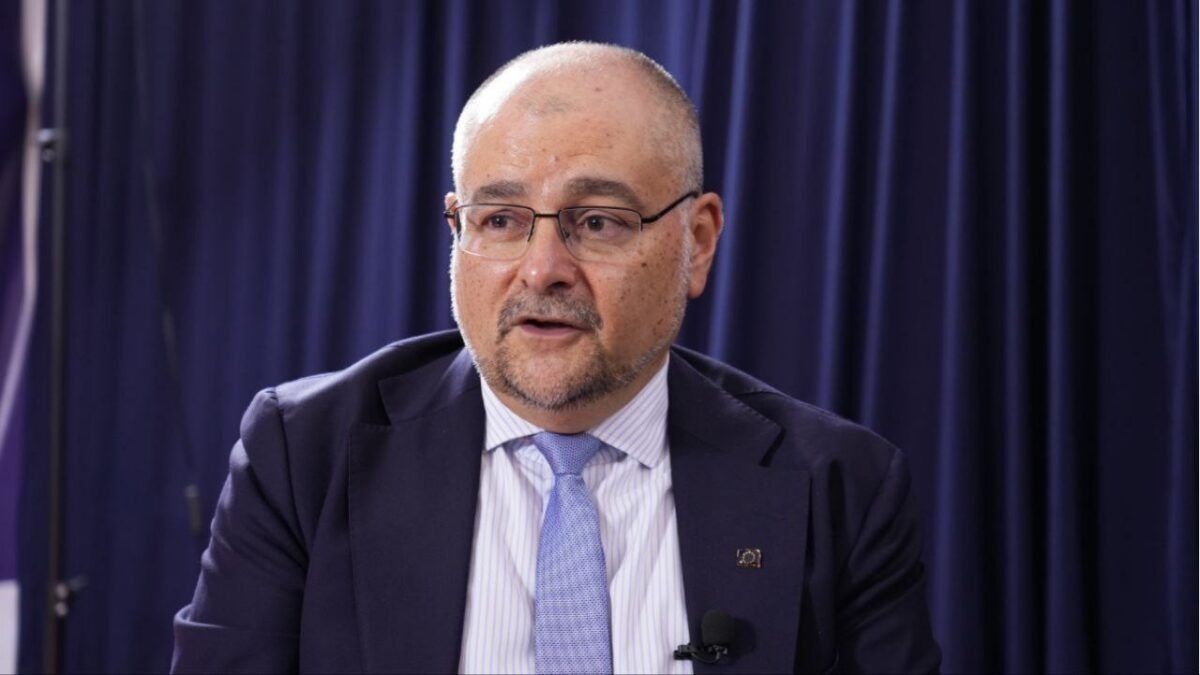
EU Special Representative: Taliban Criminal Principles Institutionalize Social Inequality in Afghanistan
KABUL — Gilles Bertrand, the European Union special representative for Afghanistan, stated that the Taliban courts' criminal principles document is a complex one that institutionalizes social inequality in the country.
In an exclusive interview with Hasht-e Subh on Tuesday, Bertrand said the document divides citizens into four specific categories, placing women and individuals with "limited legal capacity" at the lowest level. He noted that the principles are ambiguous in some sections while elevating religious scholars to the highest level, rendering them almost unaccountable to any authority.
Bertrand added that the Taliban have normalized family violence through this document and regard followers of non-Hanafi sects as incorrect Muslims. He pointed out that many contemporary issues, such as organized crime and financial crimes, are overlooked, with the primary focus on mechanisms for social control.
The EU representative warned that the principles grant broad powers to Taliban courts, which could easily be abused and raise serious human rights concerns.
More in Politics
Amir al-Mu'minin Addresses Scholars in Kandahar
EU Special Representative: Taliban Penal Code Institutionalizes Social Inequality
Grateful to Afghans and Ulama for Obeying the Islamic Emirate, says Hibatullah Akhundzada
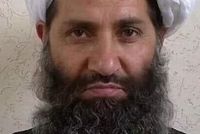
Taliban leader emphasizes obedience and unity in Kandahar speech
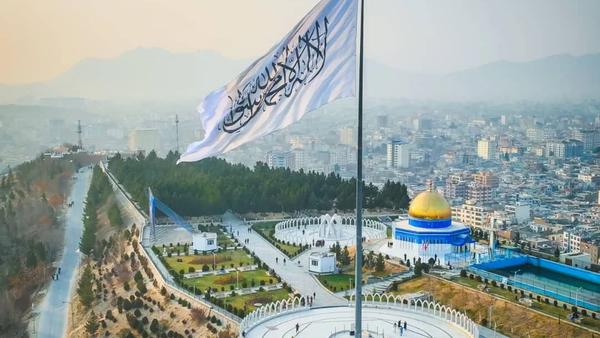 Reliable
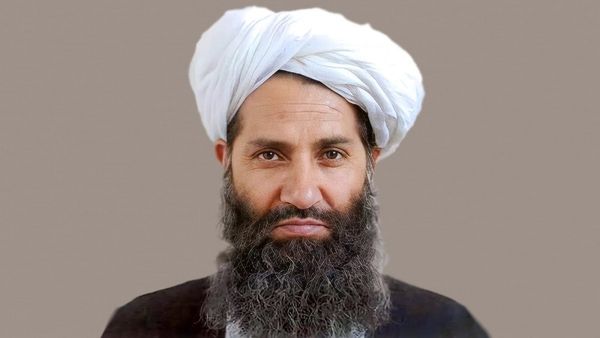
Amir al-Mu'minin Addresses Scholars in Kandahar
Amir al-Mu'minin, Supreme Leader of the Islamic Emirate, addressed Kandahar scholars, urging them to guide the nation on Sharia matters, combat societal ills, and foster unity. Scholars renewed their allegiance to his leadership.
 Reliable
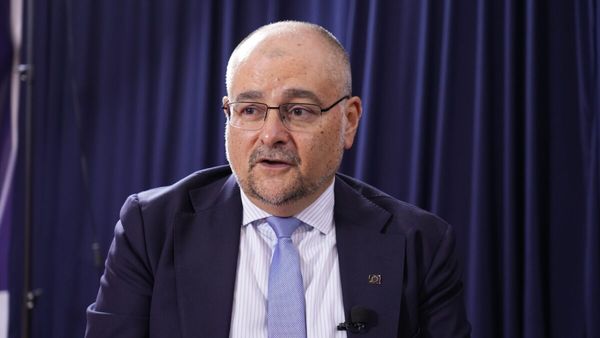
EU Special Representative: Taliban Penal Code Institutionalizes Social Inequality
EU Special Representative Gilles Bertrand criticized the Taliban penal code for institutionalizing social inequality, normalizing family violence, and discriminating against women and non-Hanafi Muslims. He stressed that EU aid supports Afghans, not the Taliban, amid concerns over the country's dire economic and rights situation.
 Reliable
Grateful to Afghans and Ulama for Obeying the Islamic Emirate, says Hibatullah Akhundzada
IEA leader Hibatullah Akhundzada thanked Afghan ulama and people for obeying the Islamic Emirate, urging scholars to guide the Ummah, promote unity and preserve Sharia in a speech to Kandahar district scholars.
 Reliable
Taliban leader emphasizes obedience and unity in Kandahar speech
Taliban leader Mullah Hibatullah Akhundzada urged unity, mutual obedience and religious adherence in a speech announced by his deputy spokesperson at a Kandahar gathering of officials and ulema. He instructed officials to promote obedience among the public and expressed thanks for support of the Islamic Emirate.