
Central Asian Countries Seek Unified Strategy Toward Afghanistan
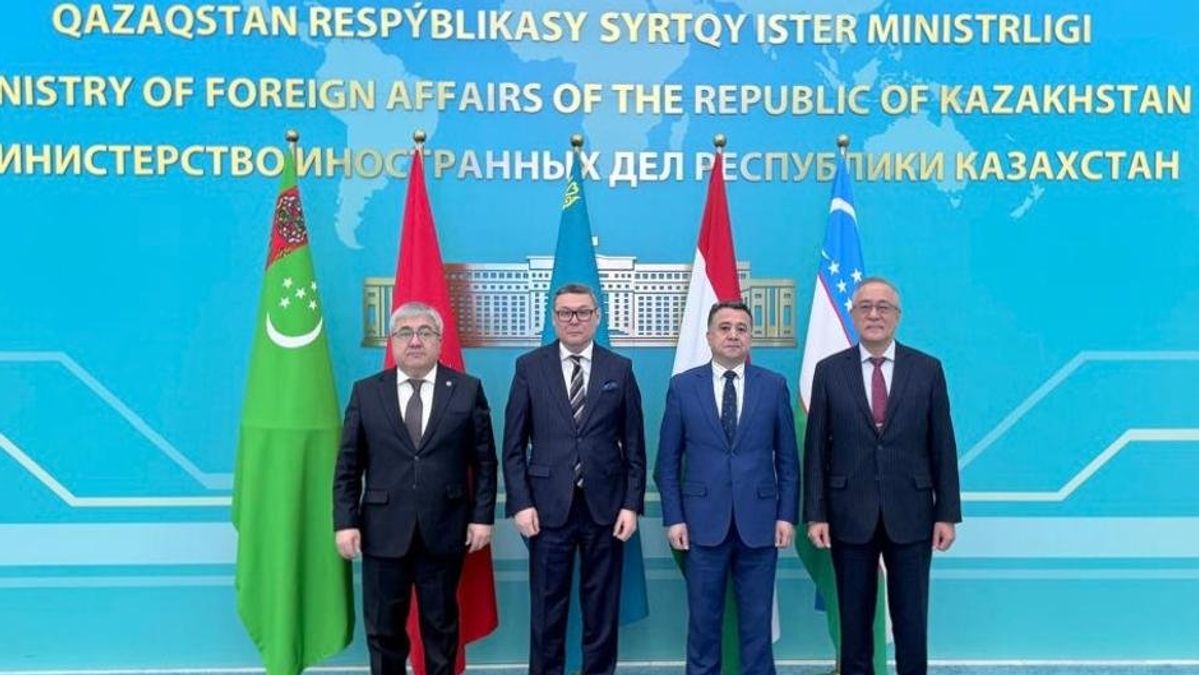
Representatives from Central Asian countries stated at the sidelines of an extraordinary meeting of the Regional Contact Group in Astana that they are pursuing a unified strategy toward Afghanistan. They emphasized viewing Afghanistan not merely as a threat but as an opportunity to access South Asian markets.
The meeting of special representatives from Kazakhstan, Kyrgyzstan, Tajikistan, and Uzbekistan on Afghanistan took place on Feb. 17 in Astana, Kazakhstan's capital. Key agenda items included trade and economic relations, transit issues, and coordinating regional approaches.
Yerkyn Tukumov, Kazakhstan's special representative for Afghanistan, described the agenda as both substantively rich and strategically important. He said the meetings aim to help Central Asian countries form a common stance, covering trade, economic relations, and transit matters, with a focus on coordinating approaches to Afghanistan.
Tukumov noted that Kazakhstan, like much of the international community, has not recognized the Taliban administration but maintains engagement in commercial, economic, and humanitarian spheres. He highlighted Kazakhstan's humanitarian aid, including flour, tents, and food during emergencies, as well as accepting Afghan students in universities and sending medical aid last year for the first time.
Describing Afghanistan's 45 million population as a "promising" market and a key transit corridor, Tukumov pointed to the lack of efficient rail networks as a major obstacle, with only the short Termez-Mazar-i-Sharif line operational. He stressed Central Asia's need for reliable access to the Indian Ocean and ports in India, noting low trade volumes despite proximity to markets in India, Pakistan, and Afghanistan totaling nearly 2 billion people.
Tukumov said Kazakhstan's view of Afghanistan is changing: previously seen only as a threat, it is now also an opportunity, though risks remain.
Tordakun Sidikov, Kyrgyzstan's ambassador to Afghanistan, called the Astana meeting and regular Contact Group talks vital for addressing Afghanistan-related issues, focusing on trade, economic, and transport projects essential for regional peace and stability.
Ismoilallah Ergashov, Uzbekistan's special representative, said Central Asian countries may soon pursue joint projects in Afghanistan, viewing it as a potential bridge to South Asia. He reported Uzbekistan's trade with Afghanistan reached nearly $1.7 billion last year.
Know more about this story?
If you have additional information or believe something is inaccurate, let us know. Your tips help us stay accurate.
More in International
Saudi Arabia Mediates as Islamic Emirate Releases Three Pakistani Prisoners

12 Killed in Fireworks Store Explosion in Hubei, China
Turkish Foreign Minister to Attend Trump's Peace Delegation Meeting in Washington

Berlin Forum Highlights Support for Women in Afghanistan
 Reliable
Saudi Arabia Mediates as Islamic Emirate Releases Three Pakistani Prisoners
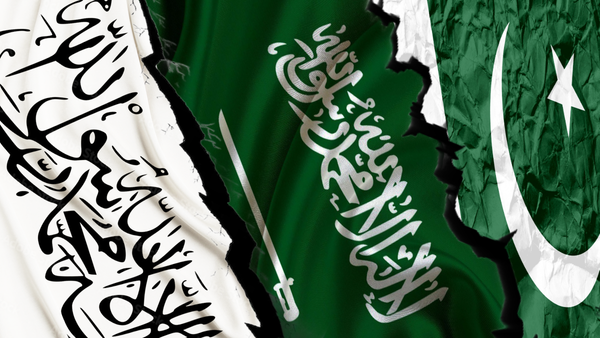
Saudi Arabia is mediating tensions between the Islamic Emirate of Afghanistan and Pakistan, with a delegation in Kabul consulting top officials. The Islamic Emirate released three Pakistani prisoners captured in 2025 clashes, handing them to the Saudi team.
 Reliable
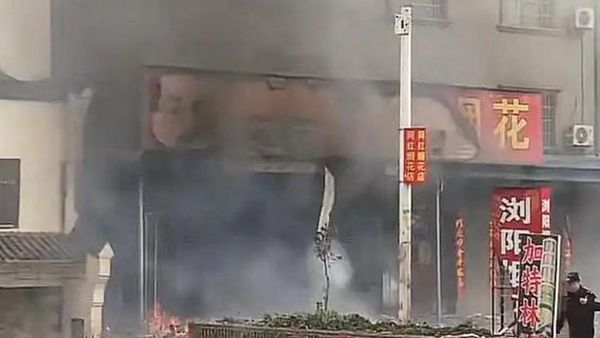
12 Killed in Fireworks Store Explosion in Hubei, China
Twelve people were killed in an explosion at a fireworks store in Xiangyang, Hubei province, China, on February 18, with authorities investigating the cause amid ongoing safety concerns during festivals.
 Reliable
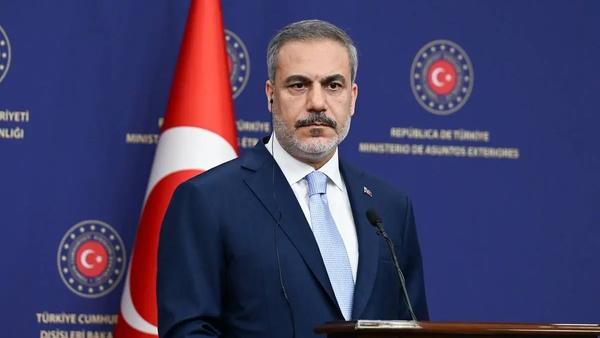
Turkish Foreign Minister to Attend Trump's Peace Delegation Meeting in Washington
Turkish Foreign Minister Hakan Fidan will attend U.S. President Donald Trump's inaugural "Peace Delegation" meeting in Washington, focusing on Gaza aid, ceasefire enforcement, and Palestinian issues.
 Reliable
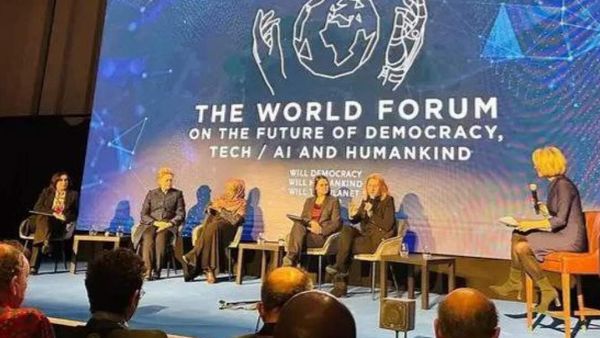
Berlin Forum Highlights Support for Women in Afghanistan
The World Forum 2026 in Berlin featured discussions on democracy, AI and human rights, with Afghan activist Parwana Ibrahimkhil Najrabi urging no recognition for the Taliban regime amid concerns over women's rights. Former U.S. leaders Bill and Hillary Clinton opened the event, warning of threats to global democracy.