
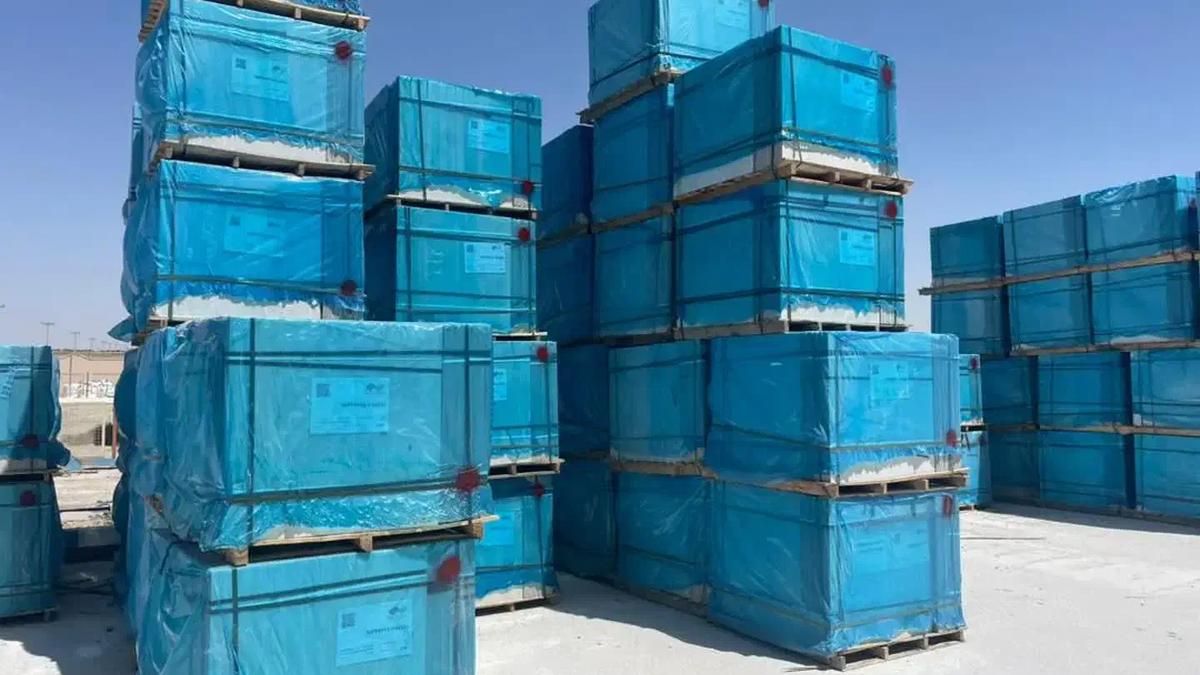
Afghanistan Standards Authority Rejects Substandard Goods at Sheikh Abu Nasr Farahi Port
KABUL — The Afghanistan Standards and Quality Authority (ASQA) rejected substandard goods at Sheikh Abu Nasr Farahi port and border crossing, returning them to the exporting countries after inspections.
Pajhwok Afghan News reported that ASQA turned back a 25-tonne shipment of substandard "Gader Nodani" steel identified at the border crossing. The rejection followed a comprehensive quality check, highlighting the authority's commitment to protecting public welfare.
Separately, Omid Radio stated that 63 tons of low-quality wall tiles were rejected at the port and sent back to the country of origin. Officials conducted thorough inspections to ensure compliance with national standards.
In both cases, ASQA emphasized its ongoing strict and transparent quality controls at all border points and ports. The authority declared there would be no leniency for harmful or substandard products entering the market.
ASQA urged traders and importers to strictly adhere to national standards, warning that violations would result in immediate rejection and return of goods. This measure aims to safeguard consumers and maintain product quality across Afghanistan.
The incidents occurred on the same day, underscoring ASQA's proactive enforcement of import regulations amid efforts to bolster economic standards and public safety.
Know more about this story?
If you have additional information or believe something is inaccurate, let us know. Your tips help us stay accurate.
Where reports agree
- ASQA/Standards and Quality Authority rejected substandard goods at Sheikh Abu Nasr Farahi Port/border crossing
- Goods returned to origin
- Rejection due to failure to meet national standards after inspection
- Identical press release language on quality control process, no leniency, and urging traders
Where reports differ
- Quantity: 63 tons (Omid) vs. 25 tonnes (Pajhwok)
- Type of goods: wall tiles/kashi (Omid) vs. substandard steel/Gader Nodani (Pajhwok)
More in Economy
Salma Production Company in Logar Produces 1,300 Kilograms of Pipes Daily

Uzbekistan Launches Bourse-Based Trading Mechanism with Afghanistan

Afghan Standards Authority Returns 40 Tonnes of Substandard Steel from Islam Qala
Kunar Residents Search for Gold in Riverbeds to Sustain Livelihoods
 Reliable
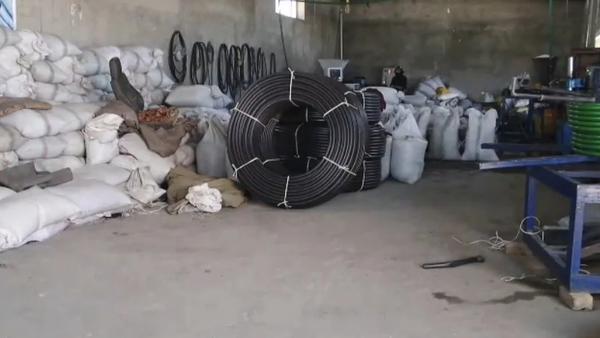
Salma Production Company in Logar Produces 1,300 Kilograms of Pipes Daily
The Salma production company in Logar province produces around 1,300 kilograms of pipes daily from half-inch to 5-inch sizes, providing direct and indirect jobs to about 45 people. With around 85 factories operating in the province to produce various items and reduce imports, company officials are calling for increased investment to support domestic production and create more jobs for youth.
 Reliable
Uzbekistan Launches Bourse-Based Trading Mechanism with Afghanistan
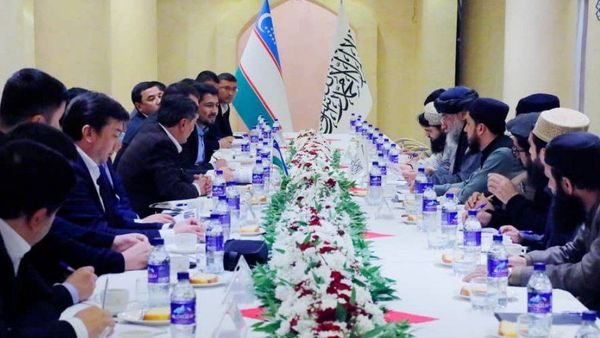
Uzbekistan has launched a bourse-based trading mechanism to simplify and secure trade with Afghanistan using bank guarantees, with partial upfront payments by Afghan buyers and the balance due at the border. The system follows a presidential directive, includes merchant training, and aims to boost bilateral trade despite Uzbekistan not recognizing the Taliban administration while maintaining commercial and political ties including recent deals and oil and gas investments.
 Reliable
Afghan Standards Authority Returns 40 Tonnes of Substandard Steel from Islam Qala
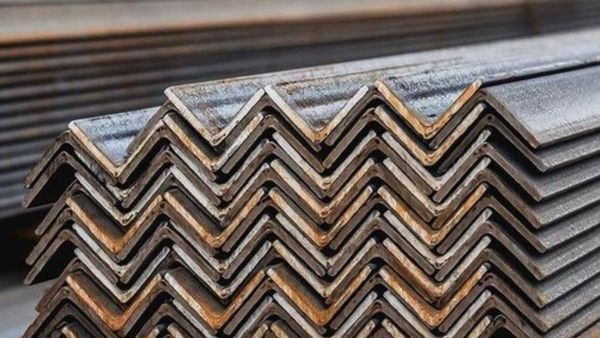
The Afghanistan Standards and Quality Authority returned 40 tonnes of substandard angle iron and more than 26 tonnes of substandard bitumen sheets from Islam Qala port after they failed to meet national standards. The authority emphasized rigorous quality inspections at all ports and urged traders to fulfill their responsibilities by supplying safe, compliant goods.
 Reliable
Kunar Residents Search for Gold in Riverbeds to Sustain Livelihoods
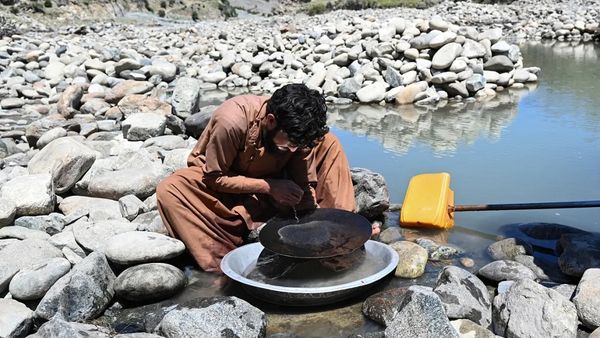
Hundreds of Kunar province residents are using traditional methods to search for gold in riverbeds amid limited job opportunities in Afghanistan. Successful panners may earn up to 8,000 afghanis per week, though local officials note environmental concerns from heavy machinery.