
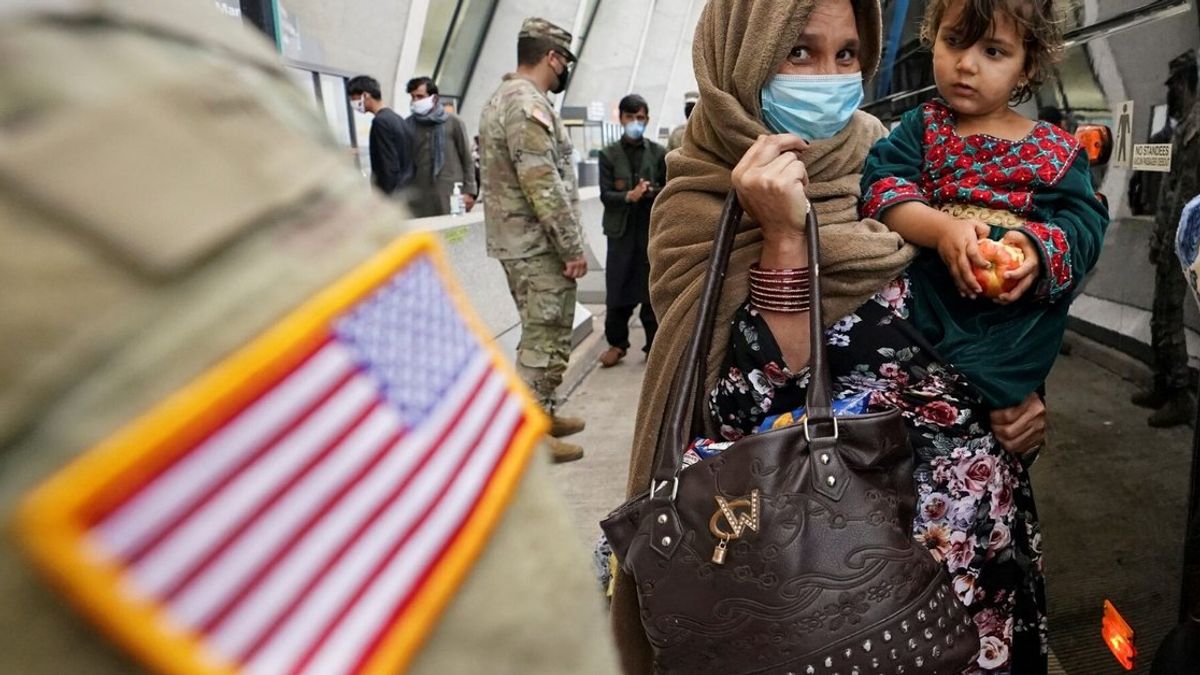
Afghanistan Remains on US High-Risk Countries List for Asylum Applications
The US Department of Homeland Security (DHS) has announced that Afghanistan remains on the list of high-risk countries for asylum and migration applications, subjecting its citizens to maximum security vetting with no changes to the process.
DHS stated that restrictions have been lifted or reduced for asylum applications from low-risk or non-high-risk countries, allowing a resumption of reviews to redirect resources toward higher-security cases. The agency warned of weaknesses in previous vetting processes that posed risks to public safety.
The decision follows a November 2025 incident in Washington where an Afghan asylee killed one National Guard soldier and wounded another. Afghanistan International identified the attacker as Rahmanullah Laknwal. Both outlets reported that the attack prompted the Trump administration to impose stricter policies on Afghan immigrants and asylees, including halting processing, re-reviewing files and restricting Special Immigrant Visas (SIVs).
Afghanistan International reported the high-risk list includes about 39 countries such as Yemen, Syria, Mali, Nigeria, Somalia and Sierra Leone. It also highlighted harsh impacts on Afghan migrants, including stopped green cards, increased detentions, deportations and uncertainty for former US collaborators awaiting SIVs. Amu TV noted the policy shift focuses resources amid ongoing restrictions for high-risk nations.
Know more about this story?
If you have additional information or believe something is inaccurate, let us know. Your tips help us stay accurate.
Where reports agree
- Afghanistan remains on US high-risk countries list
- DHS confirms unchanged maximum security vetting
- Restrictions eased for non-high-risk countries
- November 2025 Afghan asylee incident in Washington killed one National Guard member and wounded another
- Trump administration imposed stricter policies post-incident
- Suspension lifted for low-risk country asylum cases
- DHS warnings on past review weaknesses
Where reports differ
- Specific other countries on high-risk list (e.g., Mali, Nigeria) only in Afghanistan International
- Attacker named as Rahmanullah Laknwal only in Afghanistan International
- Detailed negative impacts on Afghan migrants/SIV (e.g., detentions, uncertainty) emphasized in Afghanistan International; Amu TV notes limited overall impact
More in International
29 Killed in Russian Military Plane Crash in Crimea
Iran's Foreign Minister Araghchi Calls for End to Regional Conflicts, Warns US Against Ground Invasion
Public Health Minister Meets Chinese Ambassador in Kabul on Traditional Medicine
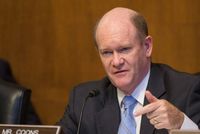
US Senator Chris Coons Blames Trump's 'Elective' War on Iran for Higher American Costs
 Reliable
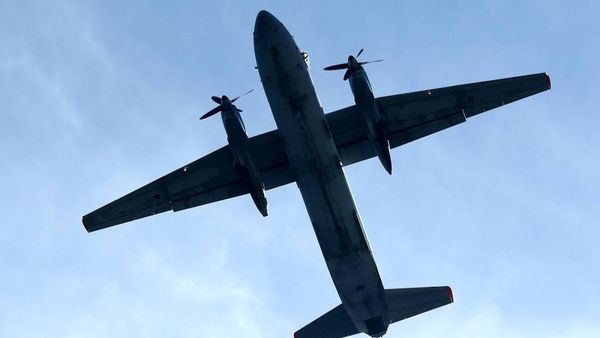
29 Killed in Russian Military Plane Crash in Crimea
At least 29 people died when a Russian Antonov An-26 military transport plane crashed into a cliff in Crimea on Tuesday, with the defence ministry citing a technical malfunction and no external impact.
 Reliable
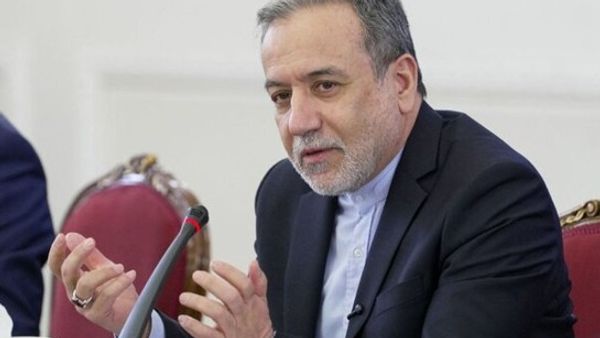
Iran's Foreign Minister Araghchi Calls for End to Regional Conflicts, Warns US Against Ground Invasion
Iran's Foreign Minister Seyyed Abbas Araghchi stated that ending the war in Iran requires halting conflicts across the region, including in Lebanon, Iraq, and Yemen, and urged the US and Israel to cease hostilities permanently. He warned that a US ground invasion would lead to a major defeat with heavy casualties for American forces.
 Reliable
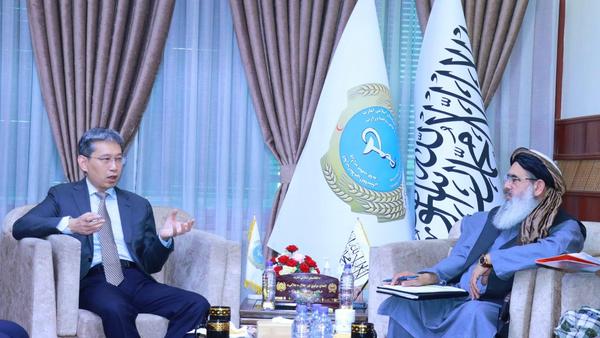
Public Health Minister Meets Chinese Ambassador in Kabul on Traditional Medicine
Afghanistan's Public Health Minister Molavi Noorjalal Jalali met Chinese Ambassador Zhao Xing in Kabul to discuss boosting traditional medicine capacity. Jalali requested support for Mirwais Regional Hospital reconstruction, Al-Shifa Hospital equipment, and a Traditional Medicine Institute, with the ambassador pledging aid for the hospital project and Prophetic Medicine training.
 Reliable
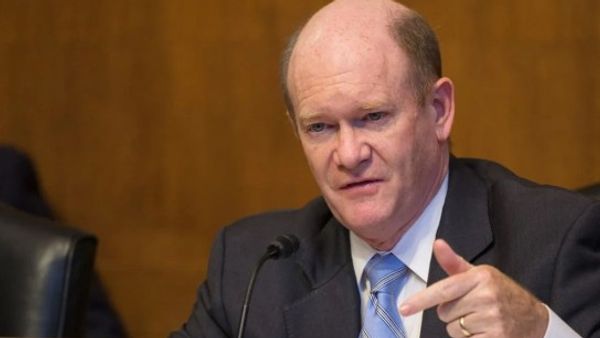
US Senator Chris Coons Blames Trump's 'Elective' War on Iran for Higher American Costs
US Democratic Senator Chris Coons warned that Trump's "elective" war against Iran has increased prices for food, utilities and mortgages, with American families bearing the cost. He stated that many Americans oppose the attack, viewing it as benefiting Israel.