
Afghanistan in the Mirror of Human Rights: Reflections on Dignity, Equality and the Future
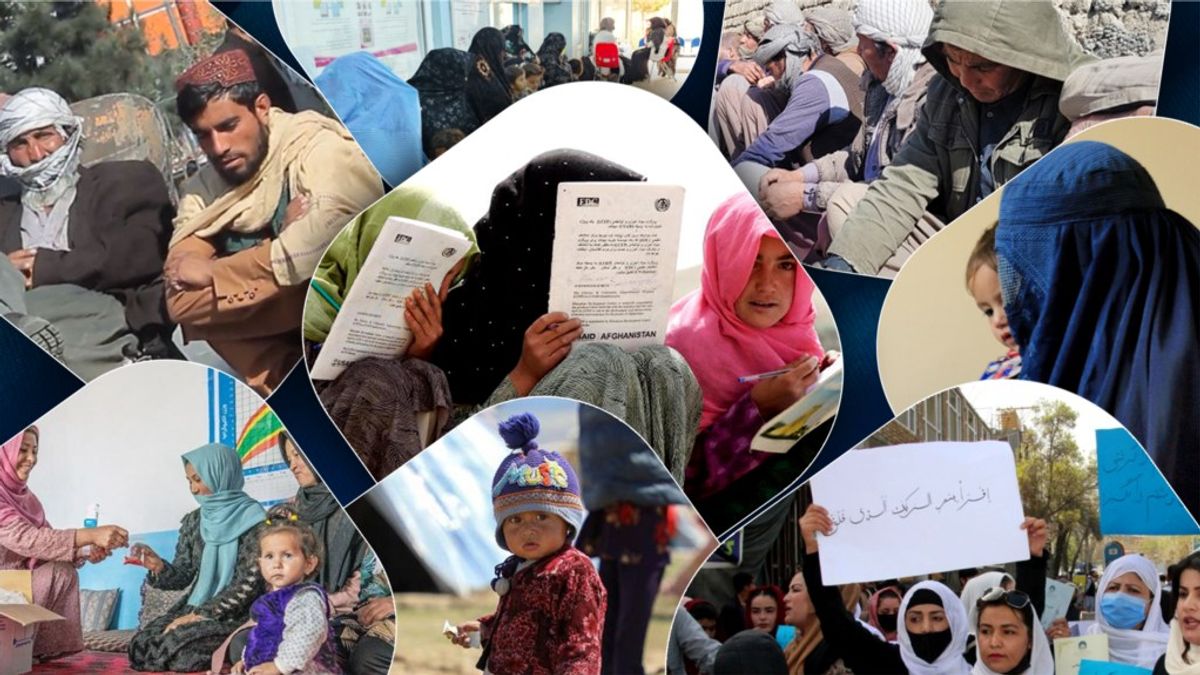
Hasht-e Subh has published an analysis examining Afghanistan's human rights situation through the lens of human dignity, equality, and future prospects. The piece describes the current conditions as a structural crisis affecting civil, political, economic, social, and cultural rights, with particular emphasis on organized deprivations faced by women and girls.
On women's and girls' rights, it highlights the systematic exclusion from secondary and higher education, employment, and social participation, viewing these as violations of non-discrimination, education, and equal opportunity principles. Such restrictions are said to limit half of the human capital from education and knowledge production, constraining future horizons. Economically, bans on women's employment are portrayed as depriving them of financial independence, increasing risks of structural poverty, forced, and early marriages, while undermining family and social development.
In civil and political rights, the analysis points to weakened public participation mechanisms, absence of accountable structures, and lack of an independent judiciary, leading to challenges in access to justice and fair trials. Reports of arbitrary detentions and insufficient procedural safeguards are noted as highlighting gaps with international standards.
Freedom of expression and media face extensive restrictions, including closures of independent outlets, widespread censorship, and pressures on journalists and activists, fostering an environment of fear and self-censorship that limits public access to information and oversight of power.
The right to peaceful assembly and protest is restricted, with forceful responses to civil gatherings conflicting with proportionality principles, marginalizing civic participation.
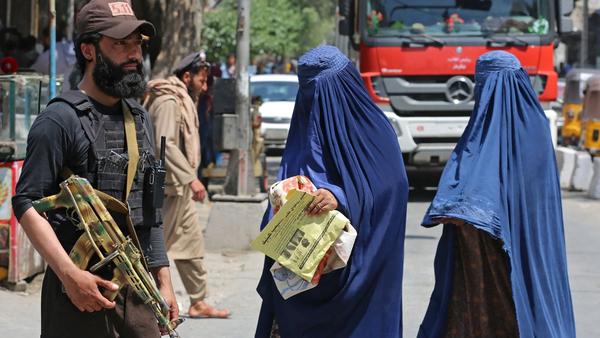
Social and cultural rights are addressed through limitations on movement, imposed dress codes, and interference in private life, seen as conflicting with personal freedom and dignity. Ethnic and linguistic rights, including mother-tongue education and cultural identity preservation, are said to be undermined, challenging social cohesion. Environmental issues and unsustainable resource use threaten the right to a healthy environment, while cultural heritage preservation, particularly the Persian language as a carrier of history and identity, is emphasized under international covenants.
The piece argues that diminishing the Persian language's role in education, administration, and culture violates cultural identity rights and diversity principles.
Know more about this story?
If you have additional information or believe something is inaccurate, let us know. Your tips help us stay accurate.
More in Society
Former Minister Abdul Bari Jahani Calls Tarawih Prayer a 'Bid'ah'

Magnitude 5.8 earthquake strikes northeastern Afghanistan

Afghanistan Football Federation to Introduce New National Team Coach in Kabul
Taliban leader issues new criminal code permitting husbands to beat wives without visible injuries
 Reliable
Former Minister Abdul Bari Jahani Calls Tarawih Prayer a 'Bid'ah'
Abdul Bari Jahani, former Afghan minister and national anthem poet, claimed the Tarawih prayer is a 'bid'ah' not found in the Quran or Hadiths and attributed to Umar bin Khattab, prompting diverse reactions on social media.
 Reliable
Magnitude 5.8 earthquake strikes northeastern Afghanistan
A 5.8-magnitude earthquake hit northeastern Afghanistan on Thursday evening at a depth of 90.7 kilometers, according to the U.S. Geological Survey, with no immediate reports of casualties or damage.
 Reliable
Afghanistan Football Federation to Introduce New National Team Coach in Kabul
Afghanistan Football Federation will introduce Brazilian coach Jose Antonio Nogueria as new national team head in Kabul tomorrow, amid calls for stability in Afghan football.
 Unverified
Taliban leader issues new criminal code permitting husbands to beat wives without visible injuries
A new Taliban criminal code reportedly allows husbands to beat wives without causing visible injuries or broken bones, with strict conditions for women to file complaints. Penalties for women fleeing abuse are also outlined, up to three months in prison.