SOCIETY — February 24, 2026
Afghan Refugees in Kenya's Kakuma Camp Report Worsening Humanitarian Conditions
Afghan refugees in Kenya's remote Kakuma camp report dire living conditions, including shortages of food, water, and services, insecurity from criminal groups, and fears of being forgotten by the international community.
The Ehtebar Desk — originates with Afghanistan International — 2 min read
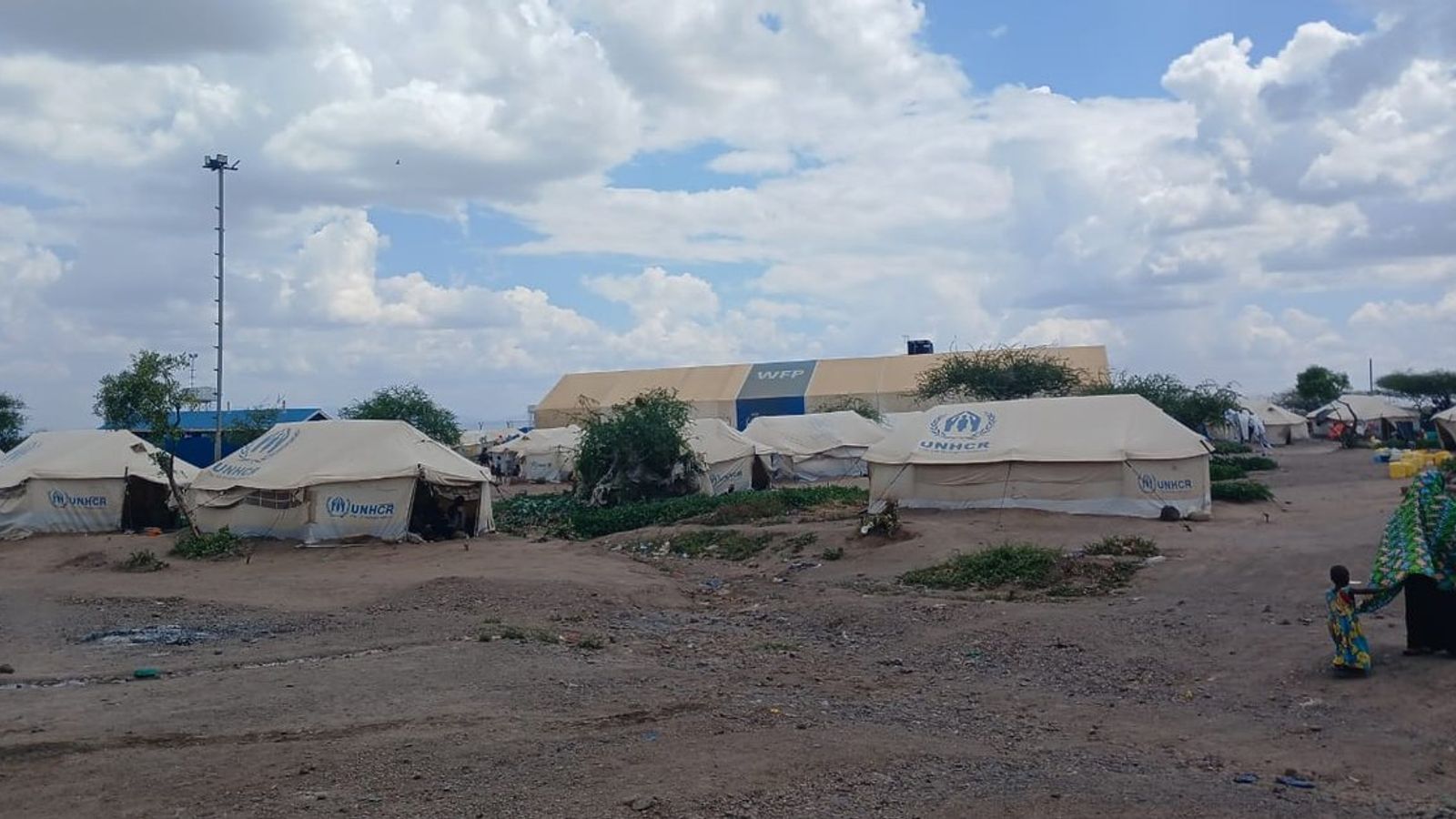
Afghan refugees in Kakuma camp, located in Kenya's Turkana province in East Africa, have reported to Afghanistan International that their conditions are deteriorating day by day.
Families who fled Afghanistan after the Taliban's takeover of Kabul in August 2021 due to human rights violations described living in very difficult circumstances in a remote corner of the world. They face serious daily challenges, including limited access to food, clean drinking water, healthcare, and education. Job opportunities are scarce, leaving families dependent on insufficient humanitarian aid. Many children are growing up without proper education, and youth report having no hope for a secure future.
One refugee stated on Tuesday that unidentified groups attack refugees and steal their mobile phones. Videos received by Afghanistan International show the dire conditions of some tents.
Most Afghan refugees entered Kenya on tourist visas after the fall of Kabul and later applied for asylum through the United Nations. A former Afghan security force member in Kenya said the UN agency pays no attention to the refugees' security and needs. He added that criminal groups attack tents at night or rob refugees during the day.
The psychological pressure on refugees is heavy, as they grapple with uncertainty, long waits for resettlement, and lack of clear information about their future after escaping violence in Afghanistan. Many families fear the international community has forgotten them.
Kakuma, one of Africa's largest refugee camps, was established in 1992 in northwest Kenya's Turkana province. It hosts thousands from countries including Sudan, Somalia, Ethiopia, and Afghanistan who fled war, human rights abuses, and violence.
Refugees urge the United Nations, humanitarian organizations, and donor countries to immediately examine conditions for Afghans in Africa. They call for increased humanitarian aid, faster and fairer resettlement processes, access to education and livelihood programs, and strengthened support mechanisms.
Read the original reporting at Afghanistan International →
Reliability assessment
Single source with direct on-record attributions from named refugee groups (e.g., specific Tuesday incident), a former Afghan security force member, concrete checkable details (Kakuma camp location, Turkana province, videos of tents), and non-volatile humanitarian reporting.
The source language mixes facts with framing or advocacy wording. 'پناهجویان «فراموششده» افغان' ('forgotten Afghan refugees') uses emotional framing of abandonment; 'وضعیت آنان روزبهروز بحرانیتر میشود' ('their situation is becoming more critical day by day') employs crisis escalation language; 'شرایطی بسیار دشوار... فراموش شدهاند' ('very difficult conditions... forgotten') adds loaded desperation rhetoric.
Across the newsrooms
Filed by
Afghanistan International
Originating
Filed under
Society — Kakuma camp, Afghan refugees, Kenya, Turkana province, UNHCR
Spotted an error or have more on this story? Tip the desk on Telegram → or WhatsApp →.
Reader supported
Keep Ehtebar running
Every published story uses paid tools to translate reporting, compare sources, extract claims, and produce a clearer read on Afghanistan. Reader support helps keep that work independent.
€5
helps cover daily verification runs
€15
supports a week of source comparison
€50
keeps independent analysis moving